International Relations [2026]: The Real Forces Shaping Global Politics Right Now
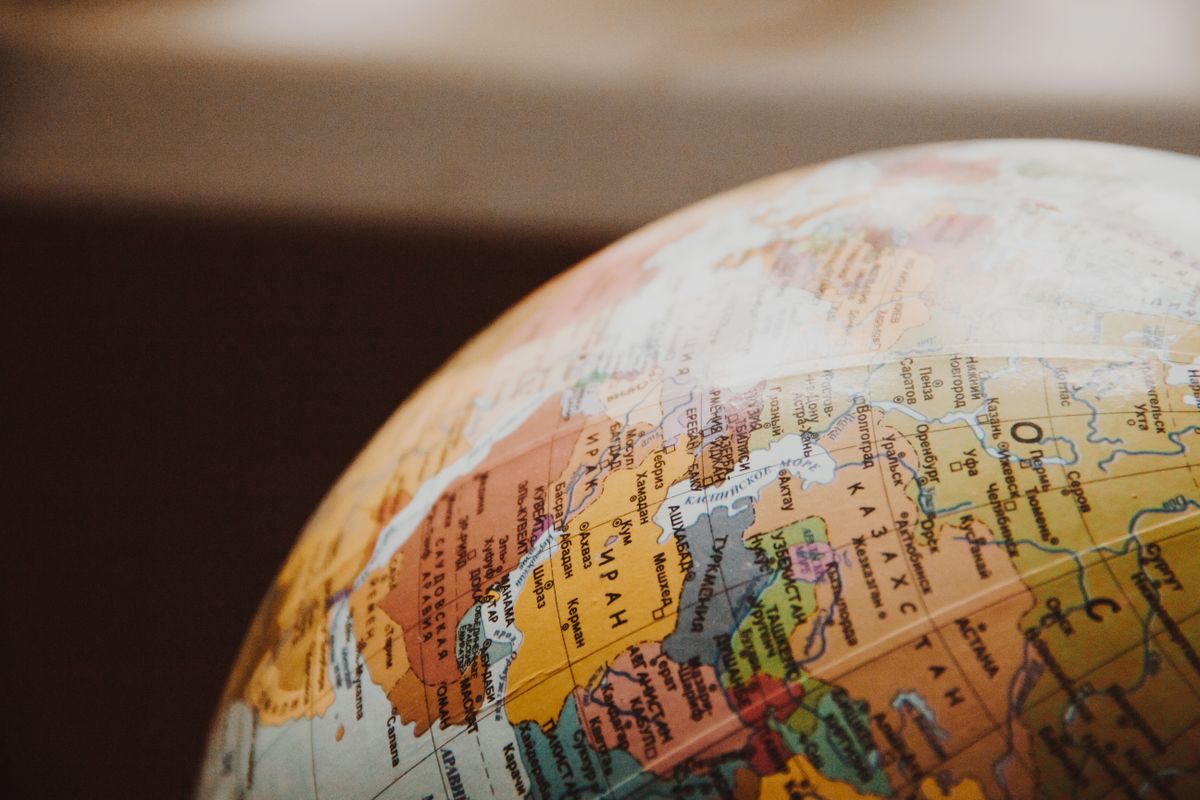
![International Relations [2026]: The Real Forces Shaping Global Politics Right Now](/img/posts/international-relations-honest-2026-64998bd2.jpg)
International relations in 2026 are shaped by a combination of structural forces — the distribution of power between major states, the role of international institutions, and the dynamics of economic interdependence — and contingent events that could not be predicted from first principles. Understanding what drives global politics requires distinguishing between the structural trends that constrain what is possible and the specific choices and events that determine what actually happens within those constraints.
The Return of Great Power Competition
The post-Cold War framing of international relations — characterized by liberal internationalism, rules-based order, and the gradual spread of democracy and market economies — has given way to explicit great power competition as the dominant framework among policymakers and strategists. The US National Security Strategy has explicitly identified China and Russia as the primary strategic competitors. China's own strategic documents identify the current period as an era of "great changes unseen in a century" requiring assertive development of comprehensive national power. This mutual acknowledgment of competition has become self-reinforcing — actions justified by competition concerns trigger responses that confirm the competitive framing.
International Institutions Under Stress
The international institutions built after World War II — the UN, WTO, IMF, World Bank, and their offspring — are under unprecedented stress from multiple directions. The UN Security Council's veto structure has prevented collective action on the most consequential conflicts (Russia's veto on Ukraine resolutions, China's on various issues). The WTO's appellate body has been non-functional since the US blocked appointments to it beginning in 2019, impairing the rules-based trading system's dispute resolution mechanism. The IMF and World Bank face challenges to their governance from emerging economies that argue their voting shares don't reflect their actual economic weight.
The Role of Technology in International Relations
Technology has become central to international competition in ways that differ from previous eras. Semiconductor supply chains — concentrated in Taiwan (TSMC produces approximately 90% of the world's most advanced chips) and dependent on equipment from the Netherlands (ASML's EUV machines have no alternative suppliers) — have created geographic chokepoints that major powers are actively trying to replicate domestically or secure access to. Cyber operations have become a standard instrument of statecraft — not replacing conventional military force but operating in a persistent gray zone of disruption, espionage, and influence that occurs continuously between states without triggering formal conflict responses.
Honest Bottom Line: Great power competition has replaced liberal internationalism as the dominant framework among major power strategists — mutual acknowledgment of competition has become self-reinforcing. International institutions (UN Security Council, WTO appellate body) face functional impairment from great power disagreement. Semiconductor supply chains (TSMC's 90% advanced chip share, ASML's EUV monopoly) have created geographic chokepoints that major powers are urgently attempting to replicate. Cyber operations have become standard statecraft — persistent gray zone competition that occurs continuously without triggering formal conflict responses. Structural trend analysis outperforms event prediction in international relations forecasting.

Victoria Lane is an international affairs journalist with 13 years of experience covering geopolitics, global economics, and social issues across 30+ countries. She has reported from conflict zones, emerging markets, and...

![2026 FIFA World Cup [2026]: What to Watch, Who to Follow, and Honest Tournament Predictions](/img/posts/2026-world-cup-honest-preview-b1119f4c.jpg)
![Major Power Competition [2026]: US, China, Russia and the New Global Order](/img/posts/major-power-competition-2026-3c5a5899.jpg)