Environmental Issues in 2026: The Honest Guide Beyond Climate Change
Climate gets most attention but other environmental crises are equally urgent. Here is the honest guide.
Climate change receives the majority of environmental coverage and policy attention, which reflects its genuine importance and also creates risk that other environmental crises receive insufficient attention. Biodiversity loss, plastic pollution, deforestation, freshwater scarcity, and ocean acidification are simultaneous planetary-scale challenges that interact with climate change and with each other in ways that make addressing them in isolation insufficient. Here is the honest guide to the environmental picture beyond climate.
Plastic Pollution: Where Things Stand
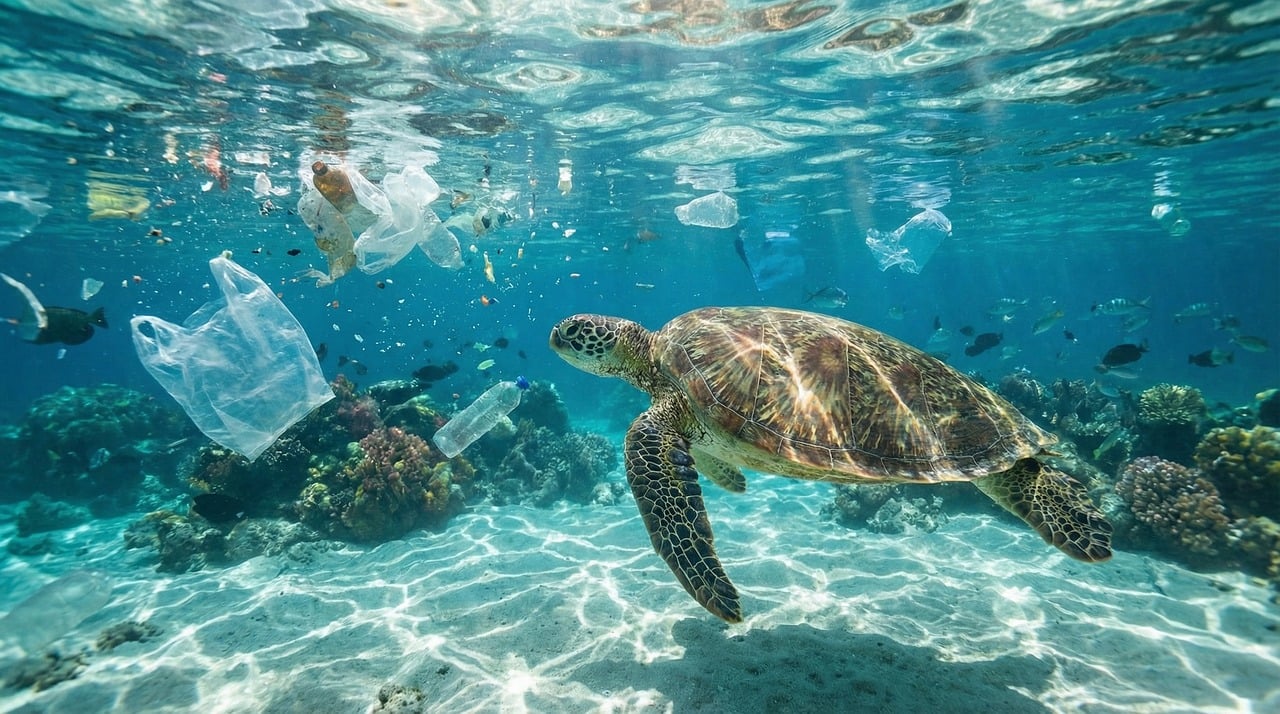
Plastic pollution has become one of the most visible environmental issues, with microplastics documented in virtually every environmental compartment from deep ocean sediment to Arctic ice to human bloodstreams. The scale is significant: approximately 400 million tons of plastic are produced annually, of which an estimated 11 million tons enter the ocean each year. The international response — the UN Global Plastics Treaty negotiations — have proceeded toward a legally binding agreement to address the full lifecycle of plastic, though the scope and enforcement of the agreement has been contested between producer and consumer nations. The evidence on microplastic health effects in humans is developing; the presence of microplastics in human tissue is documented while specific health consequences remain under investigation.
Deforestation: Progress and Failure
Global deforestation has shown both concerning trends and some genuine progress simultaneously. Primary tropical forest loss — the clearing of old-growth forest that cannot be replaced on human timescales — continued at significant rates in the Amazon, Congo Basin, and Southeast Asian forests through the early 2020s. The Lula administration in Brazil reversed the Amazon deforestation spike that characterized the preceding administration, with documented deforestation reductions in Brazilian Amazon — a meaningful policy intervention with documented results. Indonesia's palm oil moratorium has shown similar patterns of policy influence on deforestation rates. The overall global picture remains one of net forest loss weighted toward tropical primary forest, though policy interventions have demonstrable effects.
Freshwater Scarcity
Freshwater stress — the relationship between freshwater demand and available renewable supply — affects an increasing proportion of the global population due to climate change (affecting precipitation and snowpack patterns), population growth, and agricultural demand that accounts for approximately 70% of freshwater withdrawals globally. The aquifer depletion of agriculturally important regions (the Ogallala Aquifer in the US Great Plains, Indian agricultural aquifers) represents a drawn-down reserve that, once depleted, cannot be replenished on agricultural planning timescales.
Bottom Line: Plastic pollution: 400M tons/year production, 11M tons/year entering oceans, microplastics documented everywhere including human bloodstreams; UN Global Plastics Treaty negotiations ongoing with scope contested. Deforestation: primary tropical forest loss continues but policy interventions (Brazilian Amazon, Indonesia palm oil moratorium) have demonstrable effects — Lula administration reversed Brazil's deforestation spike with documented results. Freshwater scarcity: aquifer depletion in agricultural regions (Ogallala, Indian aquifers) represents drawn-down reserves unreplaceable on planning timescales; 70% of freshwater withdrawals are agricultural.