Getting Travel Visas in 2026: The Honest Guide to What the Process Actually Involves
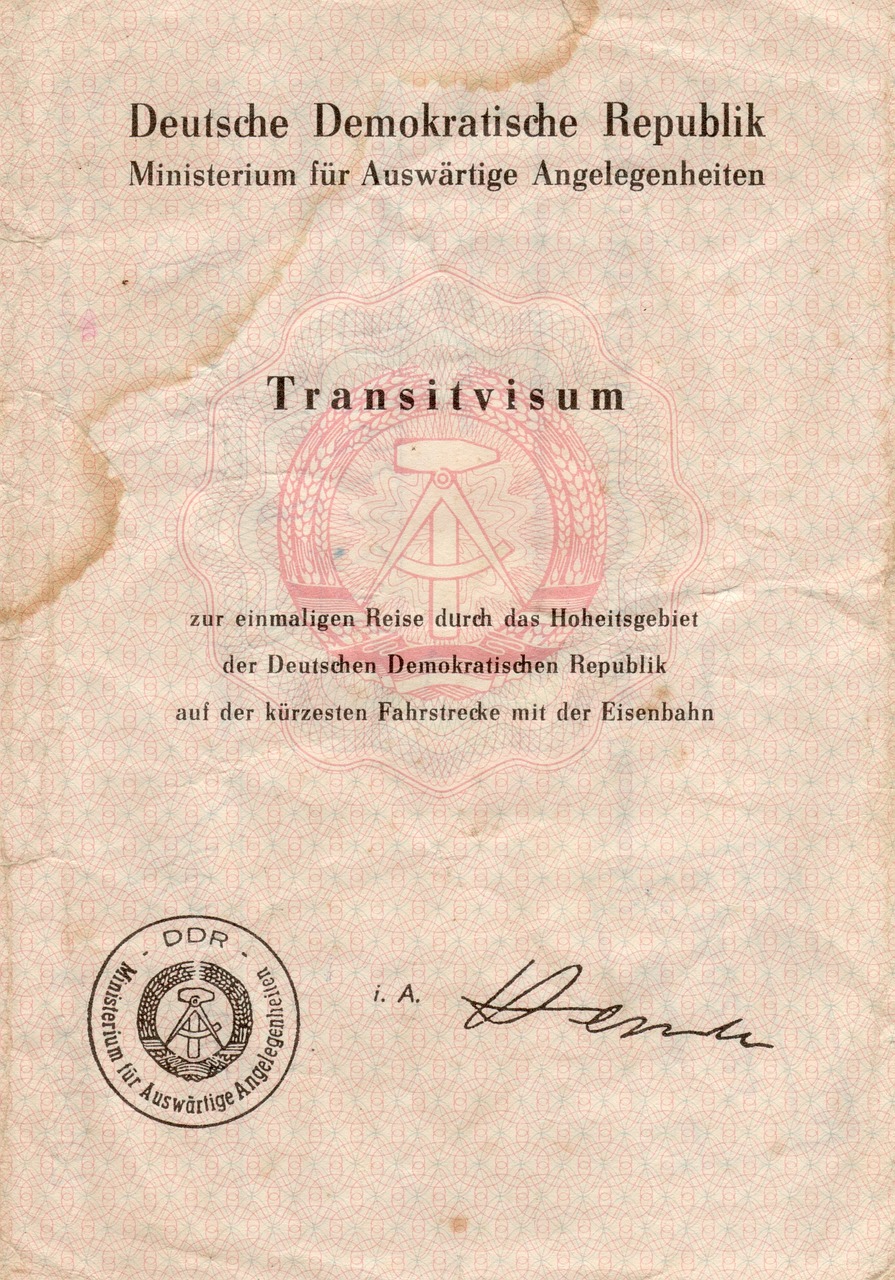
Visa requirements are constantly changing. Here is the honest guide to navigating them.
Visa requirements — the permissions that countries require foreign nationals to obtain before entry — are among the most practically important and most frequently misunderstood aspects of international travel. Requirements change based on bilateral agreements between countries, reciprocity policies, and political relationships, making information from last year potentially inaccurate. Here is the honest guide to navigating visa requirements.
Why Travel Blog Visa Information Is Often Wrong
Visa information on travel blogs has a specific and important failure mode: it is written at a specific moment and reflects requirements at that time, but visa policies change frequently and the blog post is not updated when they do. The search result that appears when you search "visa requirements for [country]" may be from 2022 and reflect policies that have since changed — this is one of the most common sources of traveler entry problems. The reliable sources for current visa requirements: the official embassy or consulate website of the destination country for your nationality; the IATA Travel Centre (used by airlines to verify document requirements); and Timatic (the database airlines use to verify passenger documentation). Travel blog information should be treated as context, not authoritative current information.
Passport Validity Requirements
A frequent source of traveler surprise: many countries require that your passport be valid for 6 months beyond your intended departure date, not just through your travel dates. A traveler arriving in January with a passport expiring in May may be denied entry to a country requiring 6-month validity even though their February departure is before expiration. Checking passport validity requirements for each destination country before booking is worth the two minutes it takes.

The E-Visa and Visa on Arrival Landscape
E-visas — electronic visas obtained online before travel — have become the standard mechanism for countries that previously required in-person embassy application or visa on arrival. The e-visa process is typically faster and more convenient than embassy applications; the important verification: that the website you are using is the official government e-visa portal rather than a third-party fee-collecting intermediary. Searches for "India e-visa" or "Turkey e-visa" produce both official government sites and third-party services that charge significant additional fees for the same service with no additional value. Official government e-visa sites are identifiable by government domain extensions (.gov.in, .gov.tr, etc.).
Bottom Line: Travel blog visa information is often outdated — use official embassy websites, IATA Travel Centre, or Timatic for current requirements rather than blog posts that are not updated when policies change. Passport validity: many countries require 6 months beyond departure date — not just through travel dates. E-visa searches: official government sites (identifiable by government domain extensions) versus third-party fee-collecting intermediaries that charge for the same service — verify you are on the official portal before paying. Check requirements for each destination country separately — bilateral arrangements mean requirements vary significantly by passport nationality.