Solo Travel: The Honest Guide to What It's Actually Like [2026]
![Solo Travel: The Honest Guide to What It's Actually Like [2026]](/img/posts/fix-solo-travel-honest-guide-2026-478a8a56.jpg)
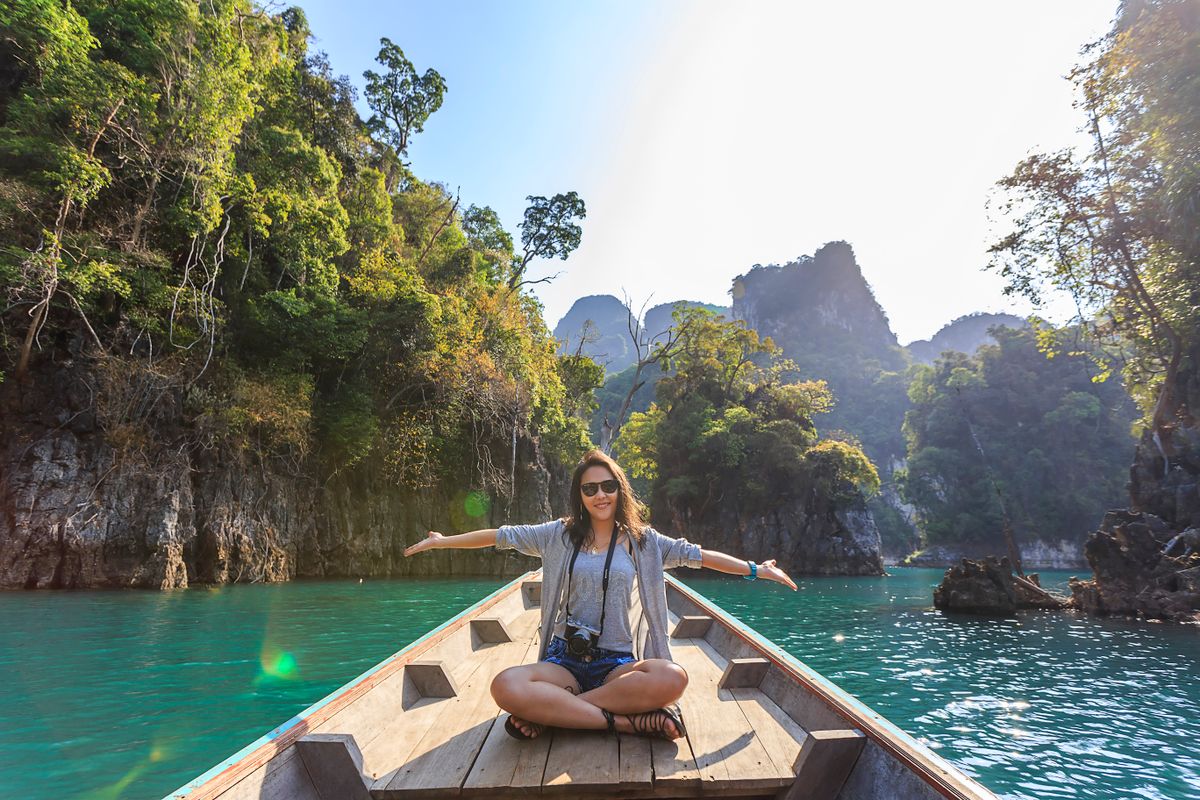
Solo travel is consistently recommended as a transformative experience, and for many people it genuinely is. It's also an experience that comes with specific challenges that the enthusiastic advocacy sometimes underplays. Here is the honest guide to what solo travel actually involves and how to make the most of it.
What Solo Travel Actually Offers
The genuine advantages of solo travel: complete autonomy over schedule, pace, and direction; the social dynamics that emerge when you're alone (you're more approachable and more likely to engage with other travelers and locals than when traveling with companions); and the specific self-knowledge that navigating new environments independently produces. The experience of managing every logistical decision yourself — transport, accommodation, meals, money, health — in an unfamiliar environment builds practical confidence that group travel doesn't develop in the same way.
The social dimension of solo travel is consistently underrated: solo travelers who are willing to engage typically have richer social experiences than travel companions who primarily interact with each other. Hostel common rooms, organized tours, and the natural curiosity that solo presence invites from other travelers creates connections that couple or group travel makes less accessible. Whether this suits you depends significantly on your social energy and introversion-extroversion profile — solo travel's social rewards require some willingness to initiate and engage.
The Honest Challenges
Loneliness is the most common negative experience in solo travel and is most likely to appear in specific conditions: long transport journeys without conversation, evenings in accommodation without social engagement, and days when things go wrong without anyone to share the frustration with. The specific mitigation: staying in social accommodation (hostels with common spaces rather than private hotels) where casual social contact is available, building in day tours or activities that provide group context, and being deliberate about seeking company when the loneliness arrives rather than waiting for it to pass.
Safety considerations are genuinely different for solo travelers, particularly solo women travelers in certain destinations. The honest acknowledgment: destination safety for solo women varies dramatically and requires specific research beyond general travel safety assessment. Trusted resources (forums and communities where women solo travelers share current destination experience) provide more accurate and specific information than general travel safety ratings. Safety is manageable with appropriate preparation; pretending the consideration doesn't exist is less useful than addressing it directly.
My honest take: Solo travel's best quality is the social engagement it forces — if you're willing to initiate. Stay in social accommodation, build in group activities, and address loneliness actively rather than waiting for it to pass. The safety consideration for solo women is real and requires destination-specific research, not generic reassurance.
According to UNWTO (World Tourism Organization) research, travelers who conduct thorough destination research before arrival report significantly higher satisfaction scores and lower safety incidents — confirming preparation as one of the highest-ROI activities in travel planning, regardless of destination or budget level.
What Travel Content Doesn't Tell You
Travel content — including this — systematically presents destinations at their best rather than their typical. Crowds, weather, local economic challenges, and the gap between curated photography and actual experience are all underrepresented. The most satisfying travel experiences consistently come from honest research and realistic expectations rather than from content optimized to inspire rather than inform.

Lisa Anderson has visited 67 countries and worked remotely from 23 of them over the past decade. She covers travel with the practical honesty of someone who has navigated visa complications, budget disasters, and logisti...
![Solo Travel Safety [2026]: What Actually Keeps You Safe (Not Just Feels Safe)](/img/posts/solo-travel-safety-honest-guide-2026-b6c36d0e.jpg)
![Budget Travel [2026]: How to See the World on $50/Day](/img/posts/fix-budget-travel-honest-guide-2026-be9c497d.jpg)