Morocco in 2026: The Honest Guide Beyond the Instagram Medina Photos
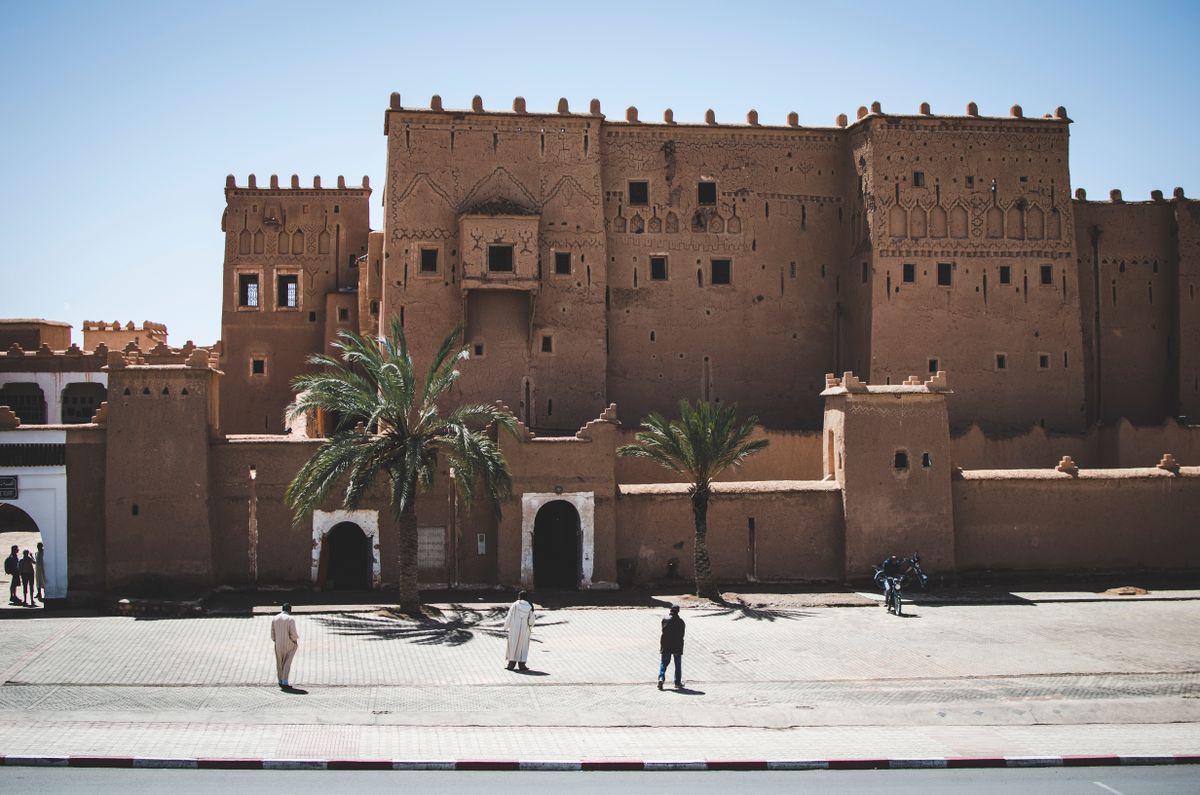
Morocco has been one of the fastest-growing travel destinations for the past decade, driven largely by the extraordinary photogenic quality of its medinas, riads, and desert landscapes. The photographs do not lie — Morocco is genuinely visually stunning in ways that are hard to overstate. But the travel experience has specific characteristics that glossy travel content consistently underrepresents, and understanding them makes for a significantly better trip. Here is the honest guide after four visits over eight years.
The Medina Experience: What the Photos Do Not Show
The medinas of Marrakech, Fes, and Chefchaouen are among the most remarkable urban environments on earth — dense, labyrinthine, sensory, and genuinely unlike anywhere in Western Europe or North America. They are also significantly more challenging to navigate and more aggressively commercially pressured than travel content suggests. The phenomenon of being approached by someone claiming to help you find a location, who then leads you to their family's shop and expects a purchase or payment for the "help," is not an occasional annoyance — it is a near-constant feature of moving through the Marrakech medina in particular.
The strategies that work: download offline maps of the medina before you arrive (Google Maps and Maps.me have detailed medina coverage that mostly works even in the narrow lanes). Decline help from strangers confidently and without extended engagement. Book your riad with a driver pick-up from the arrival point — navigating luggage through the medina to a first-time destination is genuinely difficult. The Fes medina — larger, more complex, and considered the most authentic — genuinely benefits from a licensed guide for at least one day, not for the tourist sites but for navigation and cultural context that makes the experience significantly richer.
The Sahara: Worth the Journey
The Erg Chebbi dunes near Merzouga are a full-day drive from Marrakech, and the journey is part of the experience — the route through the High Atlas Mountains and across the changing landscapes of southern Morocco is genuinely spectacular. The dune experience itself — arriving at sunset, sleeping in a desert camp, watching the pre-dawn sky before sunrise — is one of those travel experiences that delivers on its reputation. The honest notes: the "luxury camps" range widely in quality and the word luxury is applied very liberally. Mid-range camps with private rooms and en suite facilities are adequate and significantly cheaper than marketed "luxury" options. The camel ride to the camp — typically 45-90 minutes — is more uncomfortable than romantic after the first 15 minutes; the sunset view from any accessible dune edge is equally good if you prefer to walk.
Food: Extraordinary When You Find It
Moroccan cuisine is genuinely excellent — the tagine tradition, the couscous, the pastilla, the briouats, and the street food all represent a culinary tradition with depth and regional variation. The tourist-area restaurants in Marrakech Djemaa el-Fna square are uniformly mediocre and expensive by local standards — the real food is in the medina side streets and in neighborhood restaurants that do not have English menus or tourist pricing. The argan oil cooperatives along tourist routes are almost exclusively selling at tourist prices with aggressive pressure; the same oils are available in city markets at a fraction of the cost. Mint tea is an institution and a genuine pleasure; being invited to share tea is hospitality, not always a sales setup — read the context.
Practical Realities for 2026
The dirham is not freely exchangeable outside Morocco — bring cash to exchange on arrival or use ATMs. Credit card acceptance has improved significantly in larger cities and tourist-oriented businesses but remains limited in medina shops and smaller establishments. The train network connecting Casablanca, Rabat, Fes, and Marrakech is good and the recommended way to travel between these cities. Private drivers for the Marrakech-Sahara route are competitive with arranged tours and significantly more flexible. Accommodation in the medinas ranges from budget hostels to extraordinary historic riads — the riad experience (a traditional house built around an interior courtyard) is genuinely memorable and the category that most rewards spending slightly more than the minimum.
Honest Bottom Line: Morocco is visually extraordinary and genuinely rewarding — the medinas, desert landscapes, and food all deliver on reputation. Honest preparation: the Marrakech medina requires confident navigation of commercial pressure; offline maps and a riad pickup make arrival manageable. The Fes medina genuinely benefits from a licensed guide for at least one day. The Sahara experience at Erg Chebbi delivers — mid-range camps offer adequate quality at better value than marketed "luxury." Real Moroccan food is in neighborhood restaurants off tourist squares; tourist-area restaurants are mediocre and expensive by local standards. The train is the recommended way between major cities; riads are the accommodation category most worth spending slightly more on.

Lisa Anderson has visited 67 countries and worked remotely from 23 of them over the past decade. She covers travel with the practical honesty of someone who has navigated visa complications, budget disasters, and logisti...
![South Korea Travel [2026]: Beyond K-Drama and K-Pop — What to Actually Do](/img/posts/korea-travel-honest-guide-2026-fd8064b0.jpg)
![South Korea Travel [2026]: The Honest Guide Beyond K-Drama Locations](/img/posts/fix-south-korea-travel-honest-2026-8cdf4153.jpg)
![Japan Travel [2026]: 9 Things First-Timers Always Get Wrong](/img/posts/fix-japan-travel-honest-2026-39b89188.jpg)
![Weightlifting [2026]: 5 Beginner Mistakes That Slow Your Progress](/img/posts/fix-japan-travel-honest-guide-2026-85064ea8.jpg)