Tennis in 2026: The Honest Guide for New Fans Entering a New Era
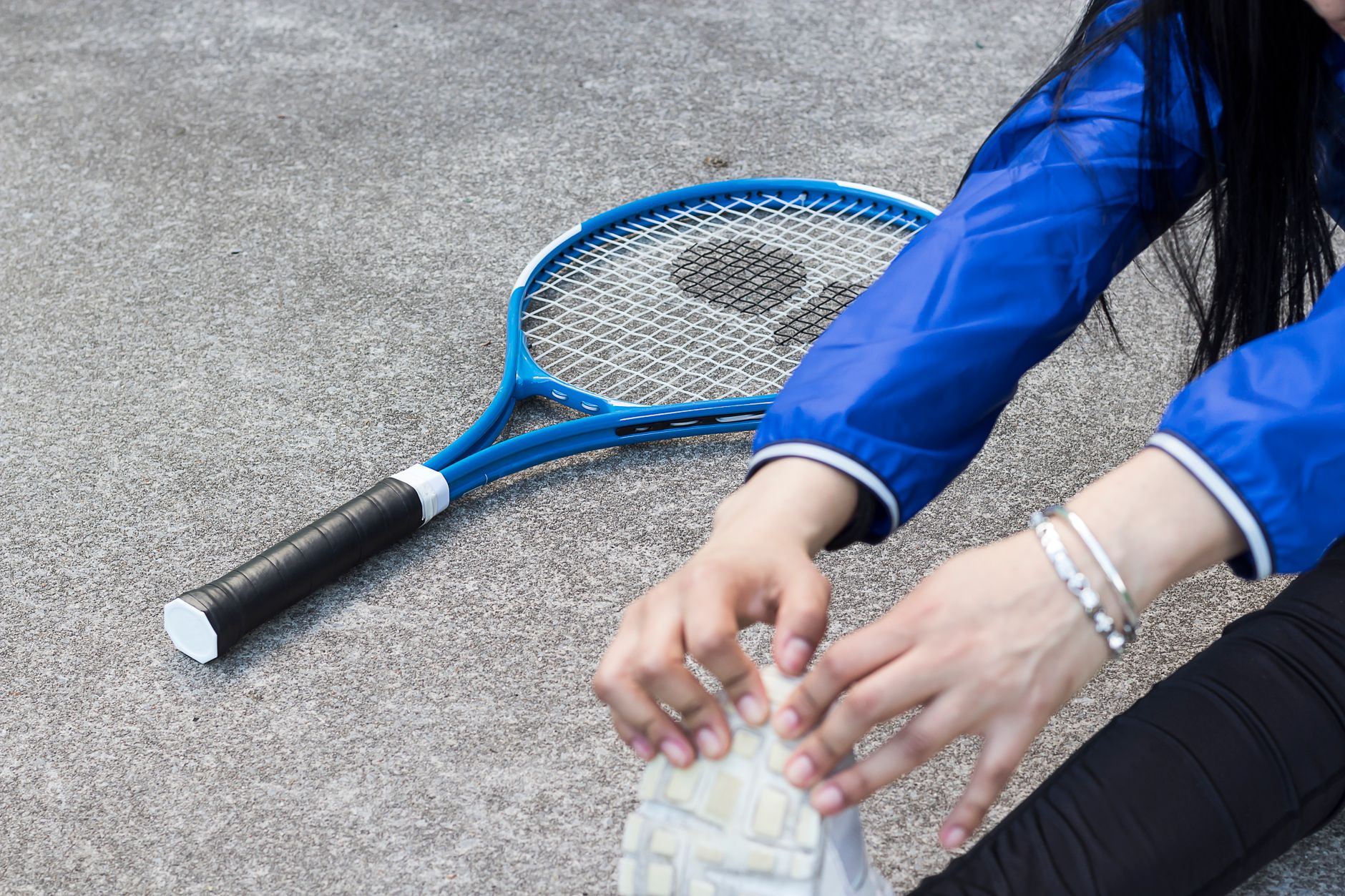
The Big Three era is ending. Here is the honest guide to tennis in the new generation.
Tennis in 2026 is navigating a generational transition — the "Big Three" era of Federer (now retired), Djokovic (later career), and Nadal (retired) that dominated men's tennis for two decades is giving way to a genuinely more competitive new generation led by Carlos Alcaraz, Jannik Sinner, and others. Understanding this transition is both an entry point for new fans and a framework for longtime followers processing the shift. Here is the honest guide.
The Structure of Professional Tennis
Professional tennis is organized into Grand Slams (the four major tournaments: Australian Open, French Open, Wimbledon, US Open — each won to maximize ranking points and historical legacy), ATP/WTA Masters events (next tier, with significant ranking points and prize money), and regular ATP/WTA tour events. The year-long ranking system determines seeding and direct acceptance to events — a player's ranking reflects their best results across the trailing 12 months. Understanding the Grand Slam calendar and its different surfaces (hard court, clay, grass) — and how different players' games match different surfaces — provides context for why specific matchups and tournaments matter differently.
Why Surface Matters
Tennis is unique among major sports in having multiple playing surfaces with significantly different ball behavior that favor different playing styles. Hard courts (most common, US Open, Australian Open) provide moderate pace and bounce that favors power baseline play. Clay courts (French Open) slow the ball significantly, extend rallies, favor baseline consistency and topspin, and disadvantage serve-and-volley and fast-paced power games. Grass courts (Wimbledon) accelerate the ball, favor serves, and punish players without net game skills. The surface diversity means that no single game style dominates all tournaments — a player who excels on clay may struggle on grass — creating variety that tennis has leveraged as a selling point.

The New Generation and What Makes Them Different
The new generation of top male players — Alcaraz, Sinner, and others entering their prime — play a more physically complete game than even the Big Three at equivalent ages in some respects. The training science, physical conditioning, and tactical sophistication available to contemporary top players have produced athletes capable of the physical demands that the Big Three's longevity demonstrated were possible, starting earlier in careers.
Bottom Line: Tennis structure: Grand Slams (maximum prestige and ranking points), Masters events, regular tour events — 12-month rolling ranking determines seeding. Surface diversity is tennis's distinctive feature: hard courts (power baseline), clay (extended rallies and consistency), grass (serve advantage and net game) favor different playing styles and create Grand Slam variety. The Big Three era (Federer/Nadal/Djokovic) transitioning to new generation (Alcaraz, Sinner) — entry point for new fans following a genuinely open era for the first time in 20 years of men's tennis.