The Olympics in 2026: The Honest Guide to What the Games Actually Are
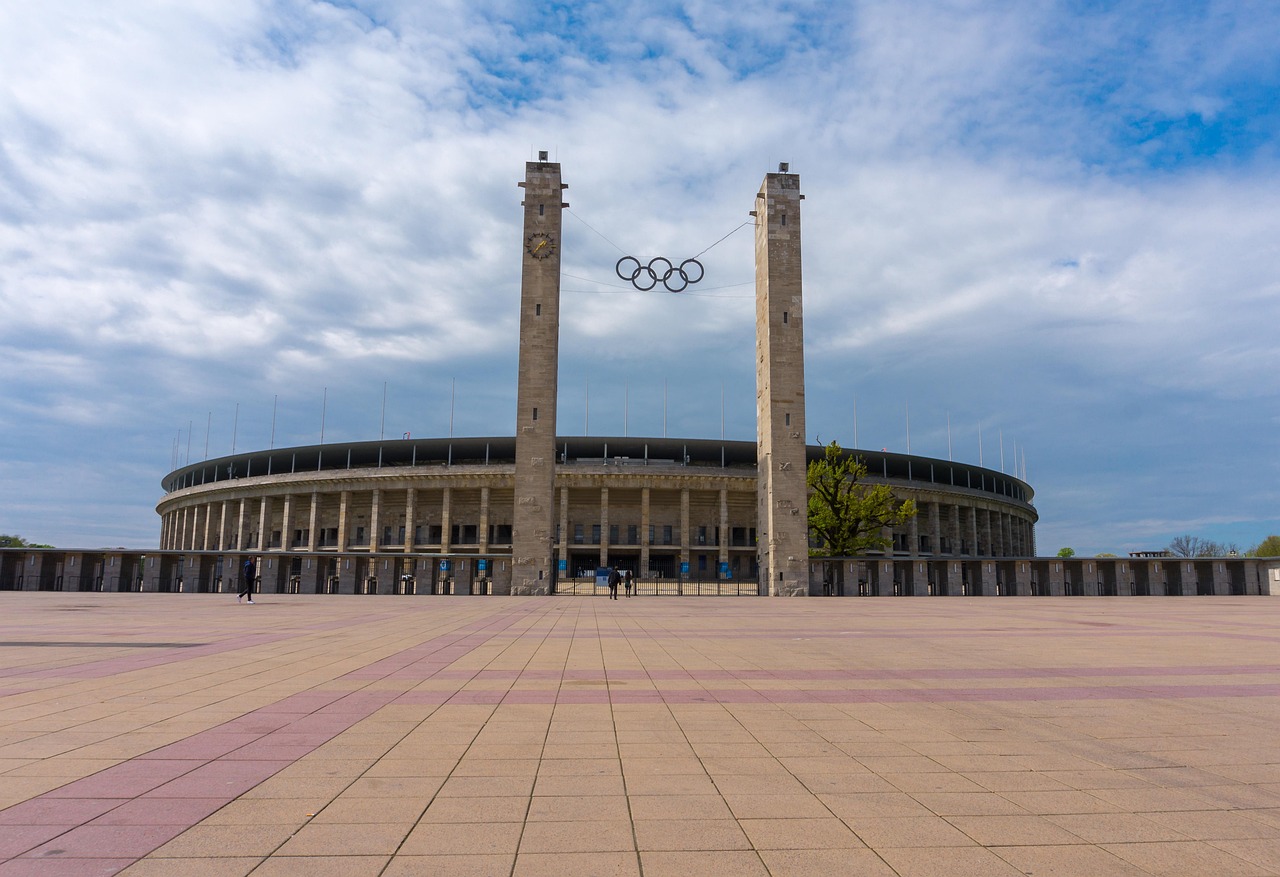
The Olympics are more complicated than the ideal suggests. Here is the honest guide to the modern Games.
The Olympic Games — the international multi-sport competition held every four years (alternating Summer and Winter) — are one of the most watched events in human history and one of the most complicated institutions in international sport. The ideal of the Olympics — peaceful international competition bringing nations together through athletic excellence — coexists with a complicated reality of geopolitics, financial interests, host city economics, and athlete welfare that honest engagement with the Games requires understanding. Here is the guide.
What the IOC Actually Is
The International Olympic Committee (IOC) is a private organization headquartered in Lausanne, Switzerland, that controls the Olympic brand and negotiates broadcasting rights, sponsorship deals, and host city contracts. The IOC is not a government body or a UN agency; it operates independently with governance structures that have been criticized for corruption, lack of transparency, and prioritizing financial interests over athlete welfare and host community interests. The IOC's revenue — primarily from broadcasting rights and sponsorship — flows to National Olympic Committees, International Federations, and the IOC itself under allocation formulas that have been periodically revised.
The Host City Economics
The economic impact of hosting the Olympics on host cities and countries is one of the most studied and most consistently negative findings in sports economics. Multiple studies across multiple host cities find that the promised economic benefits (tourism, infrastructure, development) consistently fall short of pre-hosting projections while costs consistently exceed projections. The white elephant problem — large venues built for the Games that have no sustainable post-Games use — has characterized multiple hosts. Recent reforms including the "Agenda 2020+" changes that allow floating events to existing facilities rather than requiring new construction represent genuine reform efforts; implementation varies by host.

The Athletic Excellence That Remains Real
Despite the institutional complexity, the athletic competition itself retains genuine value. The Olympic cycle creates 4-year narrative arcs around individual athletes' pursuit of gold that no other sporting context replicates. Sports that receive limited coverage outside the Olympics (track and field, swimming, gymnastics, wrestling) receive their quadrennial moment of maximum public attention that produces genuine athletic drama. The performances that define Olympic memories — Jesse Owens at Berlin 1936, Nadia Comaneci's 10, Usain Bolt's sprints — represent real athletic achievement that the institutional complications do not diminish.
Bottom Line: IOC is a private organization whose governance has been criticized for corruption and prioritizing financial interests over athlete welfare and host communities. Host city economics: academic studies consistently find promised benefits fall short while costs exceed projections — white elephant venues are a recurring documented problem. Agenda 2020+ reforms (allowing existing facilities) represent genuine reform with variable implementation. Athletic excellence is real and generates the genuine drama that the Games' global following reflects — the institutional complications coexist with legitimate athletic achievement at the highest level.