NFL [2026]: The Honest Assessment of America's Most Dominant Sport
![NFL [2026]: The Honest Assessment of America's Most Dominant Sport](/img/posts/fix-nfl-honest-assessment-2026-4c0a1aa5.jpg)
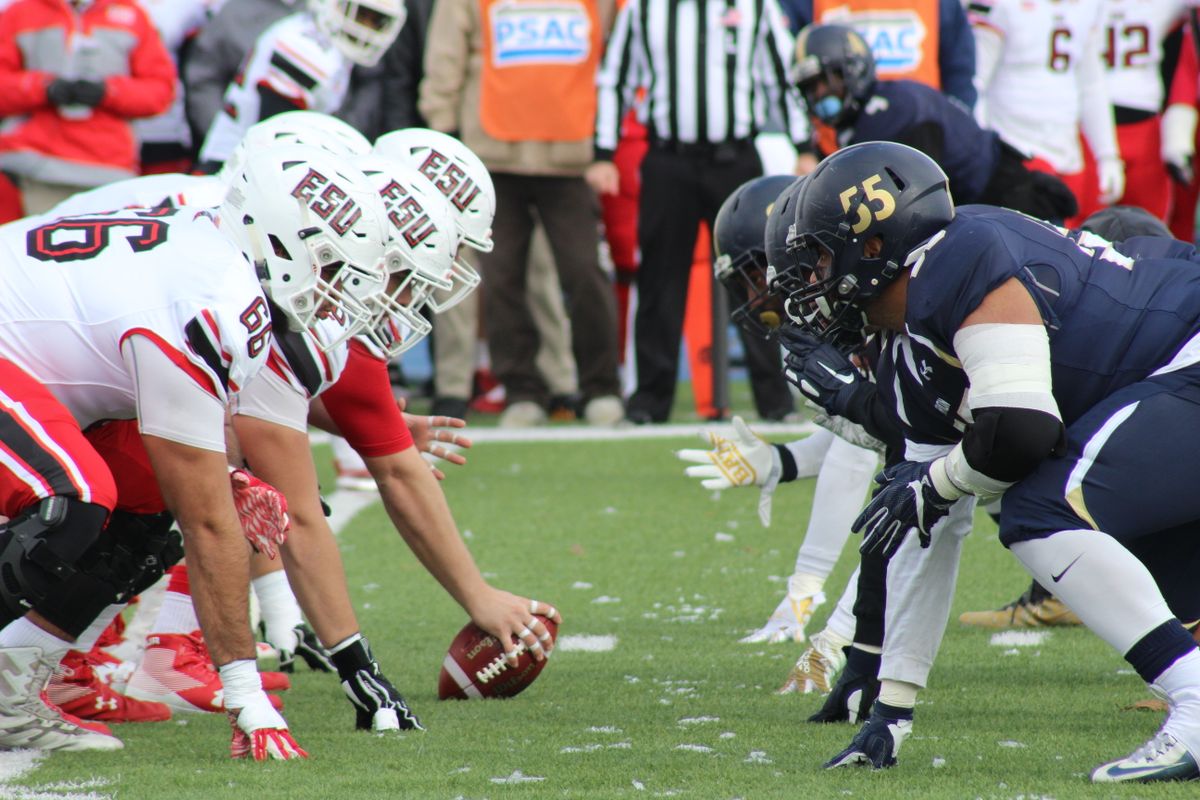
The NFL's dominance in American sports is difficult to overstate. It's not just the most watched sport — it's one of the few remaining live television events that consistently draws tens of millions of simultaneous viewers in an era of extreme fragmentation. The Super Bowl remains a genuine national cultural event. And the NFL has expanded its global footprint with games in London, Munich, and São Paulo that have produced genuine international fan development. Here is the honest assessment of what drives this and what the real challenges are.
Why the NFL Wins on Viewership
The NFL's weekly game model — a small number of high-stakes games per week versus basketball's 82-game season or baseball's 162 — makes each game matter more. When your favorite team plays once a week, each game is an event. The fantasy sports ecosystem has made the NFL relevant to a much larger portion of the population than pure fandom explains. And football's physical spectacle, tailored for the exact format of widescreen television, is genuinely well-suited to the medium. The combination of clear stakes, weekly rhythm, and fantasy engagement is a formula that other sports haven't replicated.
The Player Health Problem
The NFL's most significant genuine challenge is the long-term player health issue. The research on chronic traumatic encephalopathy (CTE) and repeated subconcussive head impacts has continued to develop, and the findings aren't favorable for a sport built around collision. More former players have disclosed long-term cognitive and health consequences from their careers. Parents of youth athletes are increasingly aware of this research, and youth participation in tackle football has declined in some regions. The long-term talent pipeline implications of youth participation declines are real, though the timeline is long.
The league has implemented rule changes aimed at reducing high-impact collisions, and helmet technology has improved. Whether these changes meaningfully reduce long-term risk or primarily improve litigation positioning is genuinely contested in the research community. The NFL's financial exposure to player health claims and its long-term social license to operate as a contact sport remains an unresolved challenge.
What Makes the NFL Worth Watching
The NFL delivers a specific entertainment product that's hard to replicate: genuinely high-stakes competition with clear narratives, meaningful coaching strategy visible to informed viewers, and the weekly rhythm that makes fan investment feel manageable. The playoff bracket — 12 teams competing across single-elimination games — produces consistent drama. For people who are going to follow one sport closely, the NFL's relatively small time commitment (16 regular season games, 1 game per week) relative to other sports is a genuine feature.
Research published in the Journal of Sports Sciences demonstrates that psychological factors — specifically resilience, focus under pressure, and recovery from setbacks — account for a substantial portion of performance variance at elite levels where physical conditioning among competitors is roughly equivalent.
The Limits of Analysis
Sports analytics has genuine predictive power and genuine limitations. Small sample sizes, unmeasured variables (coaching quality, team chemistry, individual motivation on a given day), and the inherent randomness of competition mean that statistical models consistently underperform at predicting specific outcomes — even when they accurately identify general tendencies across large samples. Certainty about sports predictions is almost always overconfidence.
Honest Bottom Line: NFL dominance is based on weekly rhythm, fantasy sports, and perfect alignment with TV format. Player health issues (CTE, repeated impacts) are real and unresolved. Youth participation decline is a long-term pipeline concern. In the short term, the NFL dominates American sports.

David Thompson is a sports journalist with 14 years of experience covering professional and amateur athletics across three continents. He has reported from four Olympic Games and numerous World Cup tournaments. David bri...
![NFL Draft [2026]: How It Works and Why Some Picks Succeed While Others Fail](/img/posts/nfl-draft-honest-guide-2026-65198d80.jpg)
![NFL Analytics [2026]: The Stats That Actually Predict Success and the Ones That Don't](/img/posts/nfl-analytics-honest-guide-2026-d8c8777e.jpg)
![NFL Defensive Schemes [2026]: What 4-3, 3-4, and Cover 2 Actually Mean](/img/posts/nfl-defensive-schemes-honest-2026-84ce0f46.jpg)