Space Exploration in [2026]: What's Happening and Why It Matters
![Space Exploration in [2026]: What's Happening and Why It Matters](/img/posts/1454789548928-9efd52dc4031.jpg)
Space exploration in 2026 is experiencing a renaissance driven by both government investment and commercial competition.
The Artemis Program: Humans Return to the Moon
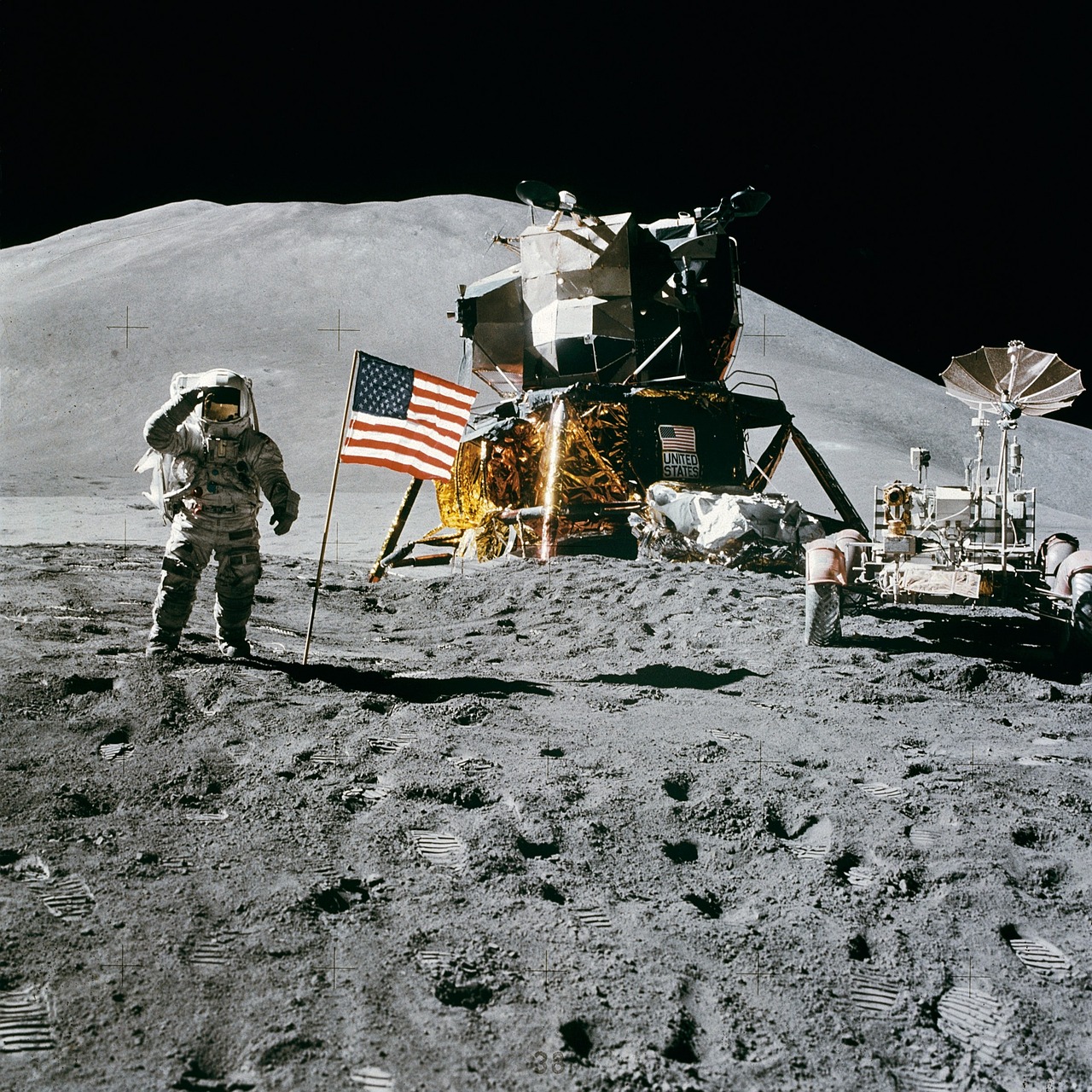
NASA's Artemis program aims to return humans to the Moon for the first time since Apollo 17 in 1972. Artemis III — the first crewed lunar landing — has been targeting 2026. Unlike Apollo, Artemis aims to establish a permanent presence with the Lunar Gateway and a surface base near the south pole.
Commercial Space: The SpaceX Era
SpaceX's Starship — the largest rocket ever built — has completed several successful orbital test flights. The reusable architecture has reduced launch costs by orders of magnitude compared to previous generations.
James Webb Space Telescope
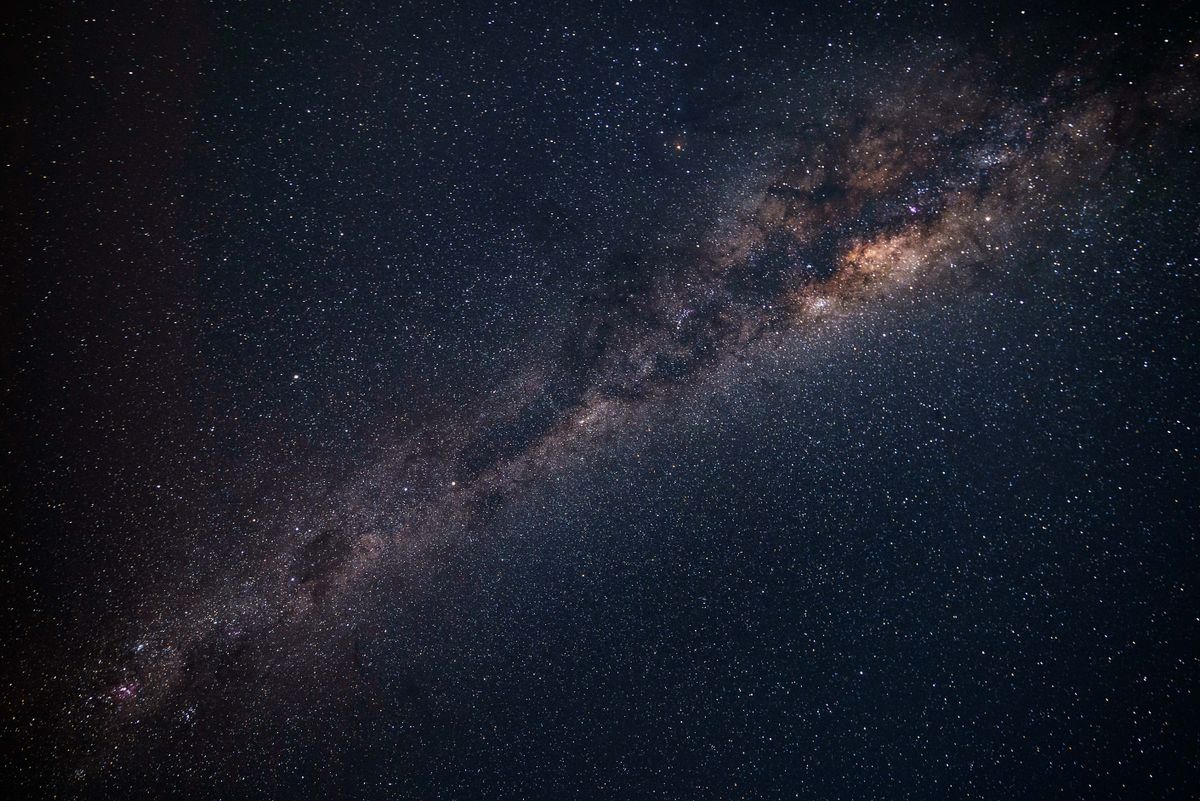
JWST has detected galaxies that appear too massive to exist at the ages observed — suggesting our understanding of galaxy formation requires revision. JWST has also characterized exoplanet atmospheres in unprecedented detail. — or at least that's been my experience. Your mileage may vary.
The Search for Life
Mars missions analyze ancient sediment for biosignatures. The Europa Clipper is assessing Jupiter's moon Europa — with a confirmed liquid water ocean beneath its ice — as a candidate for life.
My honest take: Science is the best tool we have for understanding reality. Not perfect — best available.
The Commercial Space Economy
Beyond the headline missions, a commercial space economy is developing at scale. SpaceX's Starlink constellation provides internet access to remote areas globally. Planet Labs' satellite constellation images the entire Earth's surface daily for commercial and research applications. Rocket Lab has established itself as a reliable small satellite launcher. The downstream commercial applications of satellite data — agriculture, insurance, supply chain logistics, environmental monitoring — represent a growing industry largely invisible outside specialist coverage.
Mars: The Realistic Timeline
Human Mars missions face genuine technical challenges that public timelines consistently underestimate. The transit alone takes 6-9 months in each direction. Radiation exposure during transit and surface operations exceeds safe limits without shielding technology not yet demonstrated at scale. Landing heavy payloads on Mars — which has enough atmosphere to complicate landing but not enough to slow spacecraft effectively — requires engineering solutions still in development. A realistic estimate from aerospace engineers puts crewed Mars missions in the 2035-2045 range with adequate investment.
What Space Exploration Is Actually Discovering
The James Webb Space Telescope, launched in 2021, has produced scientific results that would have been impossible with previous instruments — detecting atmospheric compositions of exoplanets, observing galaxies in the early universe, and identifying potential biosignatures in planetary atmospheres. The scientific return from robotic exploration continues to vastly exceed what human missions of equivalent cost would provide, a fact that shapes ongoing debates about the relative priority of human versus robotic space exploration.
The National Academies of Sciences, Engineering, and Medicine distinguishes between scientific consensus (established through replication across independent research groups) and emerging findings (preliminary results from limited studies) — a distinction that popular science coverage frequently collapses in ways that mislead readers about the actual state of evidence.
Where Scientific Uncertainty Is Genuine
Science communicators face pressure to project more certainty than evidence warrants — partly because nuance is harder to communicate, partly because uncertainty gets exploited by bad-faith actors. The honest position distinguishes between well-established findings (replicated across independent research groups) and preliminary results (interesting but not yet confirmed). Popular science coverage frequently collapses this distinction in ways that ultimately undermine public trust when preliminary findings don't hold up.
Honest Bottom Line: The commercial space economy is growing substantially beyond headline missions — satellite data applications in agriculture, insurance, and environmental monitoring represent an industry largely invisible outside specialist coverage. Human Mars missions face genuine unsolved technical challenges; 2035-2045 is a more realistic timeline than public announcements suggest. The James Webb Space Telescope is producing scientific results that represent genuine leaps in our understanding of the universe.

Alex Nguyen holds a PhD in Biochemistry and has spent 8 years translating cutting-edge scientific research for general audiences. He covers biology, physics, climate science, and emerging research with the commitment to ...
![James Webb Space Telescope [2026]: What It Has Actually Discovered and What's Ahead](/img/posts/james-webb-telescope-honest-2026-9f0926e8.jpg)
![Misinformation [2026]: 7 Ways to Spot It Before You Share It](/img/posts/1446941611757-91d2c3bd3d45.jpg)