James Webb Space Telescope [2026]: What It Has Actually Discovered and What's Ahead
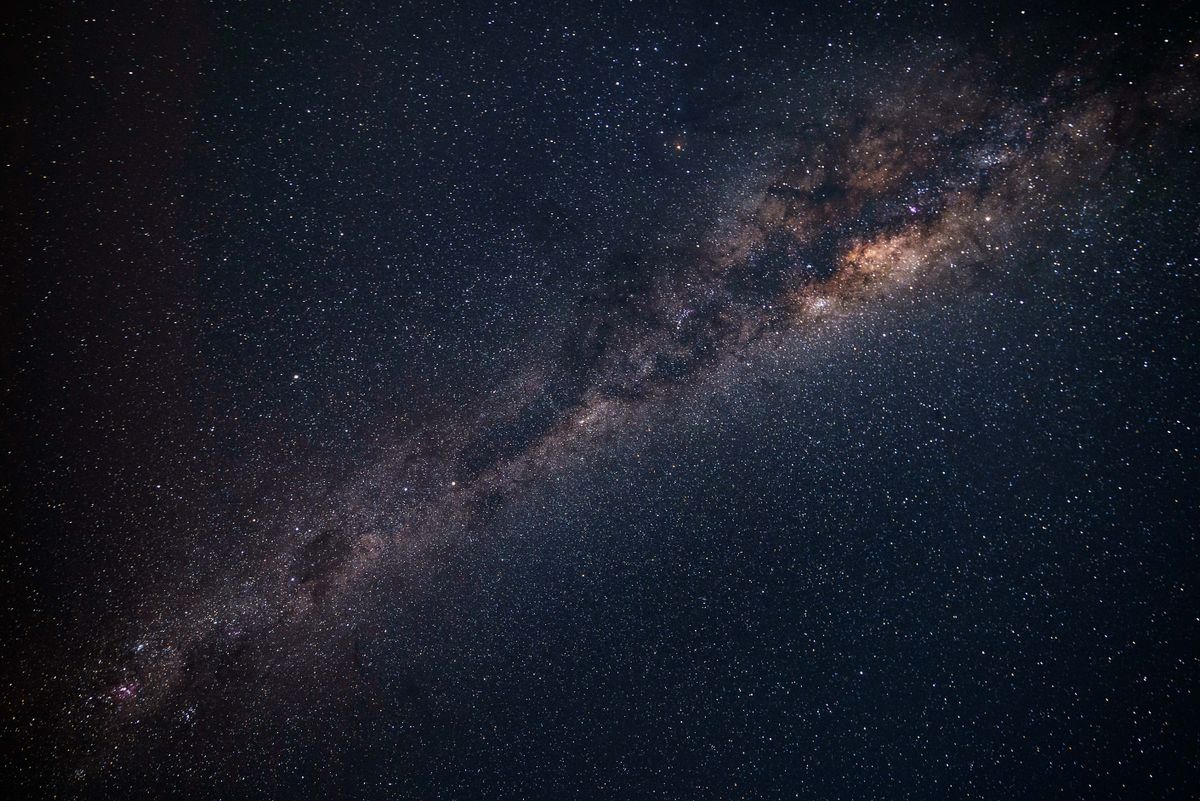
![James Webb Space Telescope [2026]: What It Has Actually Discovered and What's Ahead](/img/posts/james-webb-telescope-honest-2026-9f0926e8.jpg)
The James Webb Space Telescope (JWST), launched December 2021 and entering full science operations in mid-2022, has produced images and data that have exceeded scientific expectations in multiple areas. Here is the honest guide to what JWST has actually discovered — separated from the extraordinary visual appeal of its images — and why specific findings matter scientifically.
What JWST Has Actually Discovered
The most scientifically significant early JWST findings: galaxies observed at extremely early cosmic times (within 300-700 million years after the Big Bang) that are significantly more massive and more evolved than existing models predicted. The discovery of these "impossibly early" massive galaxies has not overturned the Big Bang theory (a common misrepresentation in popular coverage) but has revealed that galaxy formation in the early universe proceeded faster than models suggested, requiring revisions to theories of early star formation and galaxy assembly.
Atmospheric characterization of exoplanets — planets orbiting stars other than our sun — is where JWST has made the most practically significant advances. The telescope detected carbon dioxide in the atmosphere of exoplanet WASP-39b, the first direct detection of CO2 in an exoplanet atmosphere — a milestone in atmospheric science. Subsequent observations have detected additional molecules in exoplanet atmospheres, building the analytical framework for eventually identifying biosignatures (potential signs of life) in potentially habitable exoplanet atmospheres.
What the Images Actually Show
JWST's images are scientifically informative in ways that their visual beauty sometimes obscures. The deep field images showing thousands of galaxies in a small patch of sky represent actual observations of the distant universe — not artist's renderings. The color choices in JWST images are mapped from infrared wavelengths (which JWST detects) to visible light for human perception — the colors are scientifically meaningful (different colors represent different infrared wavelengths corresponding to different physical processes) but not what a human eye would see in space.
Honest Bottom Line: JWST's most scientifically significant findings: unexpectedly massive and evolved galaxies in the early universe (revising galaxy formation models, not overturning Big Bang theory), and the first direct detection of CO2 in an exoplanet atmosphere (WASP-39b). JWST images are actual observations, not renderings — colors are mapped from infrared to visible wavelengths for human perception, with colors representing different infrared wavelengths corresponding to different physical processes. The early galaxy mass problem is the most significant scientific finding requiring theoretical revision; exoplanet atmospheric characterization is the field with the most direct path to potential biosignature detection.

Alex Nguyen holds a PhD in Biochemistry and has spent 8 years translating cutting-edge scientific research for general audiences. He covers biology, physics, climate science, and emerging research with the commitment to ...
![Misinformation [2026]: 7 Ways to Spot It Before You Share It](/img/posts/1446941611757-91d2c3bd3d45.jpg)
![Black Holes: What We Actually Know vs. What Gets Dramatized [2026]](/img/posts/1462331940025-496dfbfc7564.jpg)