The Artemis Program in 2026: What Has Happened, What Has Been Delayed, and What Comes Next
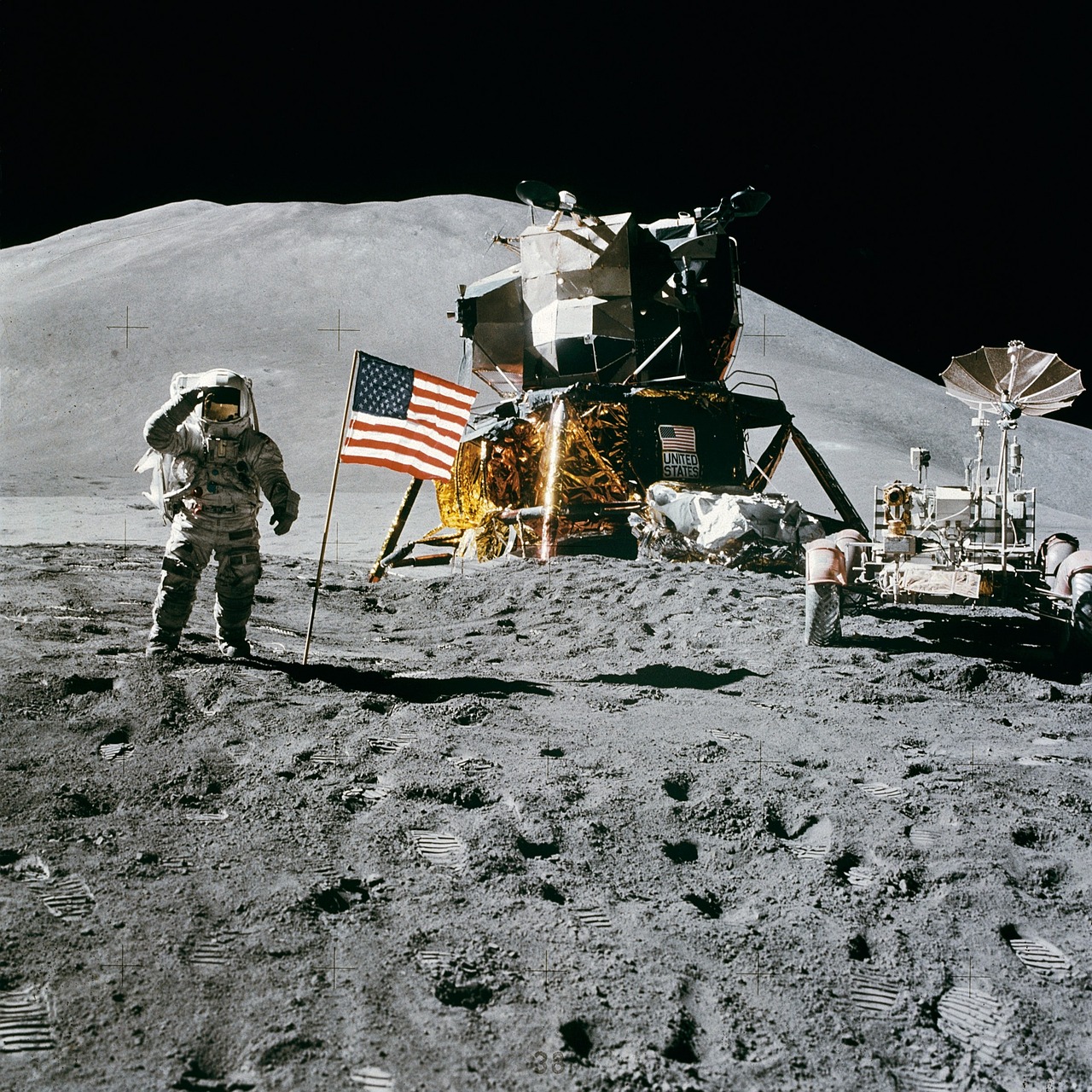
NASA's Artemis program — the initiative to return humans to the Moon for the first time since Apollo 17 in 1972 — has experienced significant delays from its original timeline. The honest 2026 update requires acknowledging what has been accomplished alongside the delays and what the realistic path forward looks like.
What Has Been Accomplished
Artemis I (November 2022) successfully sent the uncrewed Orion capsule around the Moon and back, validating the Space Launch System (SLS) and Orion combination for the first time. The flight performed largely as intended and provided important data on the radiation environment and thermal management that astronauts would experience.
The SpaceX Human Landing System (HLS) — the Starship-based lunar lander contracted by NASA to bring astronauts from lunar orbit to the surface — has made significant technical progress. Starship's development has included several test flights, culminating in increasingly successful demonstrations of the full integrated system. The orbital test flights and booster reuse demonstrations through 2024 have reduced the uncertainty around the landing system, though it has not yet been demonstrated in the lunar context.
The Delays and Their Causes
Artemis II (crewed flight around the Moon) was originally scheduled for 2024, then delayed to 2025, and has experienced further delays into 2026 due to issues with Orion's heat shield (discovered after Artemis I returned with concerning ablative material loss) and life support systems requiring modification. The heat shield issue is particularly significant — it requires understanding the failure mechanism and either modifying the design or establishing safe operating parameters before humans fly.
Artemis III (crewed lunar landing) — the mission that would return humans to the lunar surface — is now realistically targeted for 2027 at the earliest, potentially 2028, depending on the resolution of the heat shield issues and the maturation of the Starship HLS.
The Commercial Context
The broader commercial lunar ecosystem has been more active than Artemis headlines suggest. NASA's Commercial Lunar Payload Services (CLPS) program has contracted with multiple companies to deliver scientific payloads to the lunar surface. Intuitive Machines' IM-1 mission successfully soft-landed on the Moon in February 2024 (with a tilted landing that reduced functionality but was still the first US soft landing since 1972), and subsequent CLPS missions have continued to advance commercial lunar capability.
China's lunar program has proceeded on schedule, with Chang'e-6 successfully returning the first samples from the lunar far side in 2024. China has announced a crewed lunar landing target of 2030, creating a geopolitical dimension to the lunar return that influences NASA's program priorities.
Honest Bottom Line: Artemis I succeeded and validated the SLS/Orion system. Artemis II has been delayed from 2024 to 2026+ due to Orion heat shield issues discovered post-flight. The crewed lunar landing (Artemis III) is realistically targeted for 2027-2028, not 2025 as originally planned. SpaceX's Starship HLS has made meaningful technical progress. Commercial lunar payloads through CLPS have been landing successfully. China's crewed lunar program targeting 2030 adds geopolitical context to the timeline pressures on NASA.

Alex Nguyen holds a PhD in Biochemistry and has spent 8 years translating cutting-edge scientific research for general audiences. He covers biology, physics, climate science, and emerging research with the commitment to ...
![James Webb Space Telescope [2026]: What It Has Actually Discovered and What's Ahead](/img/posts/james-webb-telescope-honest-2026-9f0926e8.jpg)
![Misinformation [2026]: 7 Ways to Spot It Before You Share It](/img/posts/1446941611757-91d2c3bd3d45.jpg)
![Black Holes: What We Actually Know vs. What Gets Dramatized [2026]](/img/posts/1462331940025-496dfbfc7564.jpg)