Biodiversity Loss in 2026: The Honest Guide to the Sixth Mass Extinction
Biodiversity loss is severe. Here is the honest guide to what is happening and what is being done.
Biodiversity loss — the decline in species diversity, ecosystem diversity, and genetic diversity that results from human activity — is considered by many ecologists to be as significant a planetary boundary threat as climate change, though it receives substantially less public and policy attention. Here is the honest guide to what is actually happening and what the evidence shows about its significance.
The Scale of What Is Happening
The current rate of species extinction is estimated to be 100–1,000 times the background extinction rate (the rate without human influence), leading many scientists to describe the current period as the sixth mass extinction event in Earth's history. The IPBES (Intergovernmental Science-Policy Platform on Biodiversity and Ecosystem Services) 2019 Global Assessment found that approximately 1 million animal and plant species face extinction, many within decades, primarily due to land use change, direct exploitation, climate change, pollution, and invasive species. These are not projections — documented population declines in wildlife show a 69% average decline in monitored vertebrate populations between 1970 and 2018 (WWF Living Planet Index).
Why Biodiversity Matters Beyond the Intrinsic
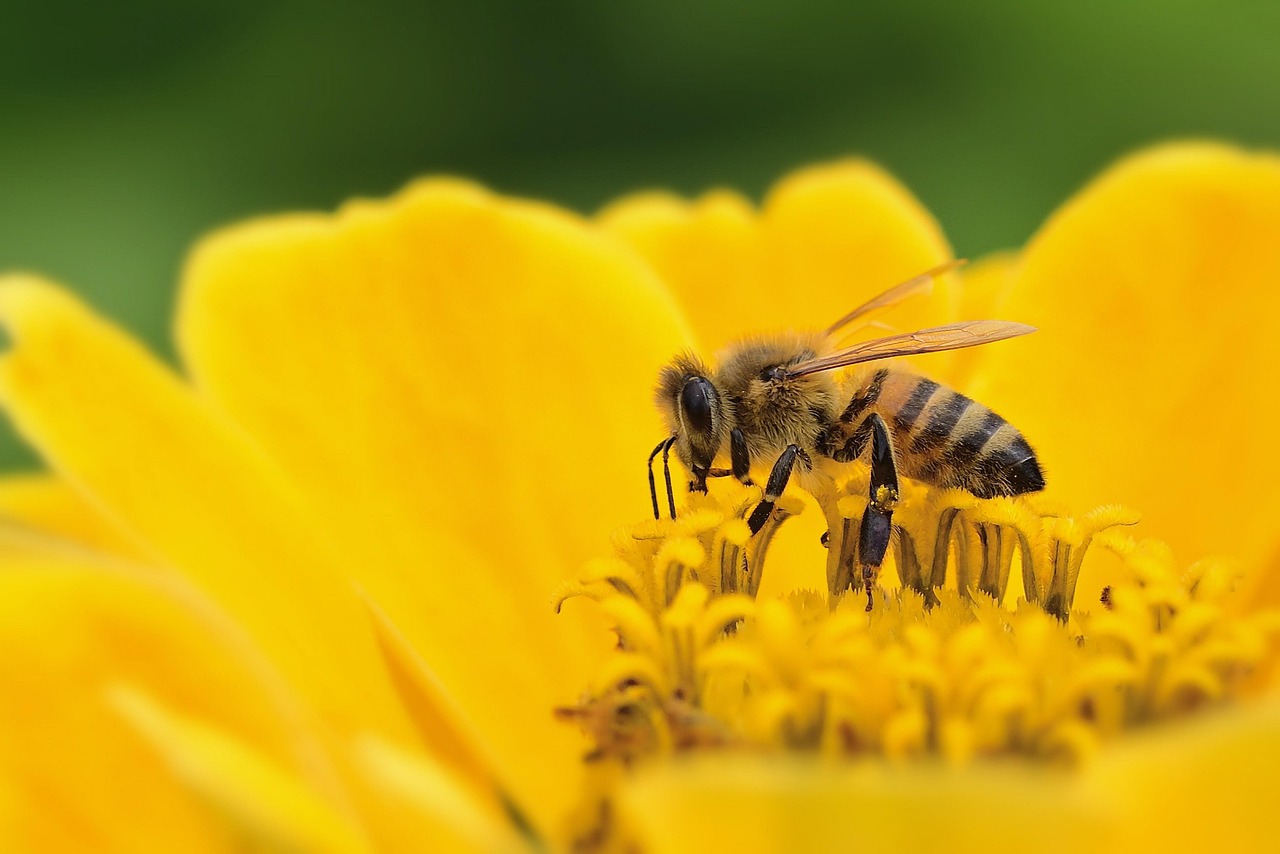
Biodiversity's value extends beyond the intrinsic value of other species to functional ecosystem services that human welfare depends on: pollination (approximately 75% of food crops depend on animal pollination); pest control (predator insects control crop pests); water purification (wetland ecosystems filter water); carbon storage (forests, mangroves, and peatlands store carbon); and coastal protection (coral reefs and mangroves buffer coastlines against storms). The economic valuation of these services runs into the trillions of dollars annually — biodiversity loss is not only an ethical or ecological issue but an economic one.

What Conservation Efforts Show
The honest assessment of conservation outcomes: success stories exist — the recovery of bald eagles, whooping cranes, and some marine mammal populations demonstrates that focused conservation effort can reverse decline for charismatic species with significant resources devoted to their protection. The broader trajectory of biodiversity at the global scale has not been reversed by current conservation efforts, which are insufficient in scale relative to the drivers of decline. The 30x30 initiative — protecting 30% of land and ocean by 2030 — represents a significant global commitment whose implementation is underway with variable progress across nations.
Bottom Line: Current extinction rate is 100–1,000x background rate — 1 million species face extinction, 69% average vertebrate population decline since 1970. Biodiversity provides trillion-dollar ecosystem services: pollination (75% of food crops), pest control, water purification, carbon storage, and coastal protection — loss is economic as well as ethical. Conservation successes exist for targeted charismatic species with significant resources; global biodiversity trajectory has not been reversed by current conservation scale. 30x30 initiative represents significant global commitment with variable implementation progress.