The Placebo Effect in 2026: What It Actually Is and Why It Is More Interesting Than You Think
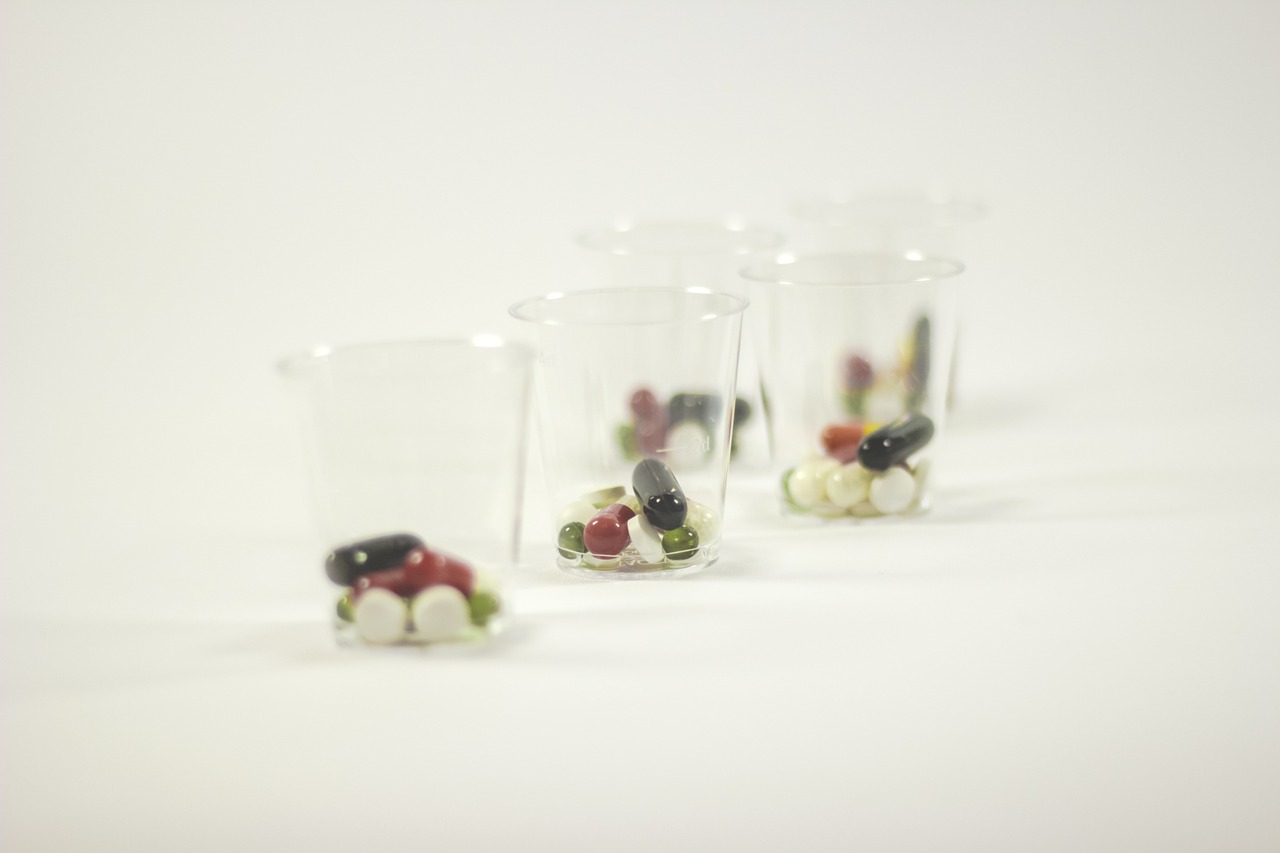
The placebo effect — improvement in symptoms or condition following an inert treatment — is consistently misrepresented in public discussion, dismissed as either pure self-deception or else overclaimed as evidence that belief can heal anything. The actual science of placebo effects is significantly more interesting than either dismissal or overclaim suggests, involving real neurobiological mechanisms, genuine symptom improvement, and important implications for how we understand the relationship between mind and body in health. Here is the honest guide to what the research actually shows.
What the Placebo Effect Actually Is
The placebo effect is not a single phenomenon but a collection of related processes grouped under the same label. The most important distinction: response expectation versus reporting bias. Response expectation is genuine: when people expect to feel better, their brains release endogenous opioids (endorphins), dopamine, and other neurotransmitters that produce real physiological change. This is not imagining you feel better — it is real neurochemical change producing real symptom reduction. Reporting bias is different: people telling researchers what they think researchers want to hear, or unconsciously rating their symptoms more favorably after receiving treatment regardless of actual change. Both contribute to placebo response in research, but conflating them misses that the first is a genuine biological phenomenon.
The neurobiological evidence for genuine placebo mechanisms: in pain research, placebo analgesia (pain relief from an inert treatment) is blocked by naloxone (an opioid receptor antagonist) — proving that real opioid signaling is involved in placebo pain relief, not just reporting bias. In Parkinson's disease research, placebo treatments produce measurable dopamine release in the striatum, correlating with genuine symptom improvement. In asthma research, patients report similar subjective improvement from placebos and bronchodilators despite objective lung function showing only the bronchodilator produces measurable airway opening — suggesting that placebo improves the subjective experience of breathing through real mechanism while the bronchodilator improves the underlying physiology.
The Open-Label Placebo: The Most Surprising Finding
The most counterintuitive finding in recent placebo research: open-label placebos — inert treatments given with explicit disclosure that they are placebos — produce significant symptom improvement in several conditions including irritable bowel syndrome, chronic low back pain, and cancer-related fatigue. Patients who are told they are receiving a sugar pill with no active ingredients still show clinically meaningful improvement. This finding is genuinely strange — it suggests placebo effects are not dependent on deception or unconscious expectation of cure in the way the simple expectation model predicts. The mechanism is not fully understood but appears to involve the conditioning of physiological responses to treatment rituals themselves, independent of conscious belief in effectiveness.
What Placebos Can and Cannot Do
The honest assessment of placebo effects requires specificity about what they change. Placebos most reliably improve: subjective symptom experience (pain, nausea, fatigue, mood, anxiety) through the endogenous neurotransmitter mechanisms described. They are most effective in conditions where subjective experience is the primary clinical outcome. They do not: shrink tumors, cure infections, reverse structural damage, or produce changes in objective pathophysiology that require active intervention. The popular claim that belief can cure cancer is not what placebo research shows; the research shows that belief and treatment context affect symptom experience and some physiological processes, not that it overrides disease biology.
The implications for medicine: the quality of the therapeutic encounter — the warmth, competence, and confidence of the clinician, the ritual of treatment, the expectation of benefit — produces real neurobiological effects that affect patients' experience of illness and treatment. This is not separate from "real" medicine; it is part of the biological mechanism of care that researchers are increasingly measuring and understanding.
Honest Bottom Line: The placebo effect involves real neurobiological mechanisms (endogenous opioids, dopamine release) that produce genuine symptom improvement — not just reporting bias or imagination. Evidence: placebo analgesia is blocked by naloxone (opioid antagonist), proving real opioid signaling is involved. Open-label placebos (disclosed as inert) still produce significant improvement in IBS, chronic pain, and cancer fatigue — suggesting conditioning to treatment rituals independent of conscious belief. Placebos reliably improve subjective symptom experience (pain, nausea, fatigue, mood) and do not cure infections, shrink tumors, or reverse structural pathology. The quality of the therapeutic encounter (clinician warmth, treatment ritual, expectation) produces real neurobiological effects that affect illness experience — this is part of the mechanism of care, not separate from it.

Alex Nguyen holds a PhD in Biochemistry and has spent 8 years translating cutting-edge scientific research for general audiences. He covers biology, physics, climate science, and emerging research with the commitment to ...


![Evolution [2026]: What Darwin Got Right, What's Been Updated, and What's Still Misunderstood](/img/posts/fix-evolution-honest-guide-2026-f92b6970.jpg)
![CRISPR Gene Editing in [2026]: From Lab Promise to Clinical Reality](/img/posts/fix-crispr-honest-update-2026-d980ee06.jpg)