Street Photography and the Law in 2026: What You Can and Cannot Photograph in Public
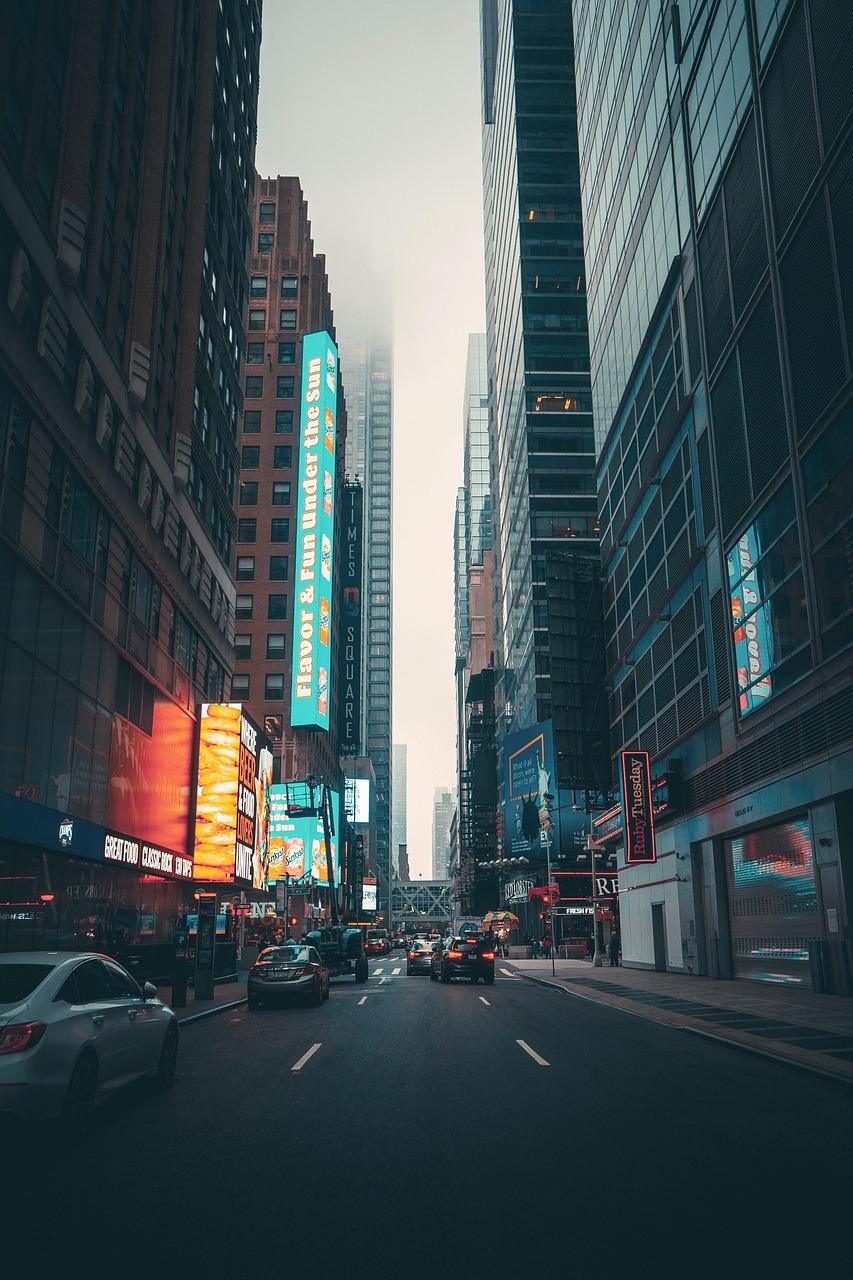
Street photographers regularly encounter confrontations from members of the public, security personnel, and occasionally police officers who challenge their right to photograph in public spaces. Understanding the actual legal framework — which varies significantly by country — helps photographers know when to stand their ground and when a situation requires a different approach. Here is the honest guide to photography rights in public spaces across major jurisdictions.
United States: Strong Protections in Public Spaces
In the United States, the First Amendment provides strong protection for photography in traditional public forums — streets, sidewalks, parks, and public plazas. When you are in a public space where you have a legal right to be, you generally have the right to photograph anything visible from that space, including people who have not given explicit consent. Private property open to the public (shopping malls, private plazas, stadiums) is different — the property owner can restrict photography as a condition of access to their private property. The practical summary: on public streets, sidewalks, and parks, you generally cannot be legally compelled to stop photographing, delete photographs, or hand over your camera without a court order. Police officers cannot legally demand you stop photographing in public based on general discomfort — they would need articulable reasonable suspicion of a crime, which photographing in public spaces does not constitute.
United Kingdom: Generally Permissive With Some Restrictions
UK law generally permits photography in public spaces without consent, though the law is more complex than a simple permissive statement. The Photography of Vulnerable Sites Act 2003 restricts photography at certain security-sensitive locations. Specific counter-terrorism legislation (Section 43 of the Terrorism Act 2000 as applied to stop and search powers) has been misused by police to challenge photographers, though this misuse has been clarified by subsequent guidance. The practical situation: in most public spaces in the UK, street photography is legal without consent. The complication: UK police have broader stop-and-search powers than US police, and interactions may be more challenging even when your rights are clear.
Commercial vs Editorial Use: The Important Distinction
Even where photography of people in public is legal, the use of those photographs can be restricted. Editorial use — journalism, documentary, fine art, and personal expression — has broader protection than commercial use in most jurisdictions. Using a recognizable person's image to endorse or advertise a product or service (commercial use) typically requires a model release regardless of where the image was taken. A street photograph published in a gallery or journalism context is typically protected; the same photograph used in an advertisement without consent is not. Understanding this distinction helps photographers both protect themselves and make ethical decisions about how their work is used.
Honest Bottom Line: In the US, First Amendment protections give strong rights to photograph in public spaces — on public streets and parks, you generally cannot be legally compelled to stop or delete photographs without court order. UK law is generally permissive but more complex, with broader police interaction powers. Commercial use of recognizable individuals requires model releases in most jurisdictions regardless of where the photograph was taken — editorial and fine art use has broader protection. Knowing your rights reduces confrontation anxiety, but knowing how to de-escalate interactions with uncomfortable subjects or security personnel prevents confrontations from becoming genuine problems regardless of who is legally right.