Street Photography Gear in 2026: The Cameras That Actually Work in the Field
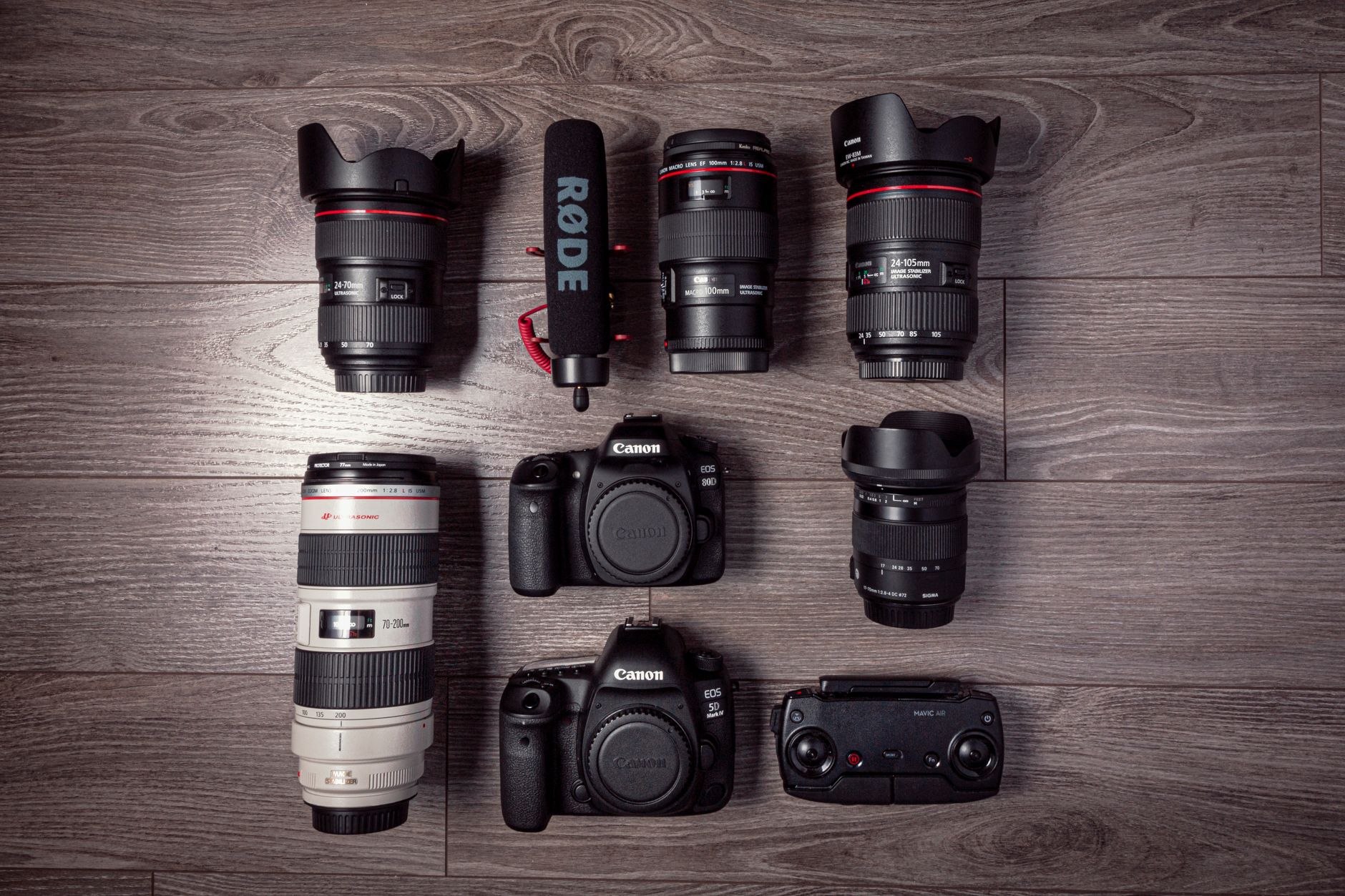
Street photography gear advice is often distorted by gear culture — recommendations to buy expensive rangefinders or particular camera brands based on aesthetic identity rather than practical performance. The truth about street photography gear is more practical: size, weight, speed of operation, and inconspicuousness matter more than sensor resolution or brand prestige. Here is the honest guide to what actually works in the field.
The Most Important Gear Characteristic: Size and Discretion
A small, quiet camera is a better street photography tool than a large, loud one at any equivalent technical quality level. Large DSLRs with prominent telephoto lenses announce themselves and change subject behavior — people see you coming and either pose or turn away. Small mirrorless cameras with compact primes (the Fujifilm X100 series, Sony RX100 series, Ricoh GR series) look like tourist cameras or casual snapshots rather than professional equipment, which dramatically changes how subjects respond. The Ricoh GR IIIx specifically — a small fixed-lens camera with an excellent 40mm equivalent lens and fast aperture — is probably the most recommended dedicated street photography camera in 2026 precisely because of its size-to-quality ratio.
The Case for Your Smartphone
Modern smartphone cameras (iPhone 15 Pro, Google Pixel 8 Pro, Samsung Galaxy S24 Ultra) produce image quality that was impossible from any portable device five years ago and significantly exceeds the quality of dedicated cameras from ten years ago. The advantages for street photography: always with you (the best camera is the one you have), most inconspicuous possible form factor, silent shutter, and increasingly capable computational photography. The limitations: fixed focal length flexibility requires positioning rather than zoom adjustment, and less control over exposure parameters than dedicated cameras. For documentary and casual street photography, a current-generation smartphone is genuinely capable equipment, not a compromise.
Lens Choice: Fixed Focal Length vs Zoom
Most dedicated street photographers use fixed focal length (prime) lenses rather than zooms, for reasons beyond brand tradition: primes are smaller and lighter, primes are typically sharper at equivalent apertures, and a fixed focal length forces compositional discipline — you learn to work with one angle of view rather than zooming to compensate for positioning choices. The most popular street photography focal lengths: 28mm (wide, contextual, you need to be close to subjects), 35mm (versatile, close to human vision, most popular), 50mm (natural perspective, slightly compressed, less contextual environment).
Honest Bottom Line: Size and discretion are the most important street photography gear characteristics — small cameras change less subject behavior than large DSLRs. Ricoh GR IIIx, Fujifilm X100 series, and Sony RX100 series are the most recommended dedicated street photography cameras for their size-to-quality ratio. Current-generation smartphones (iPhone 15 Pro, Pixel 8 Pro) produce genuinely capable street photography quality and are the most inconspicuous option. Fixed focal length primes (28-50mm) force compositional discipline and are smaller and typically sharper than equivalent zooms.