Street Photography Composition: 6 Framing Techniques That Separate Good From Great
Street photography is ultimately a composition discipline — you're making rapid decisions about framing, timing, and what to include or exclude from the frame in fractions of a second. The photographers whose street work is consistently compelling aren't getting lucky more often than others; they've internalized compositional principles that produce strong frames automatically. Here are 6 of the most powerful.
Technique 1: Wait for the Decisive Moment in a Strong Frame
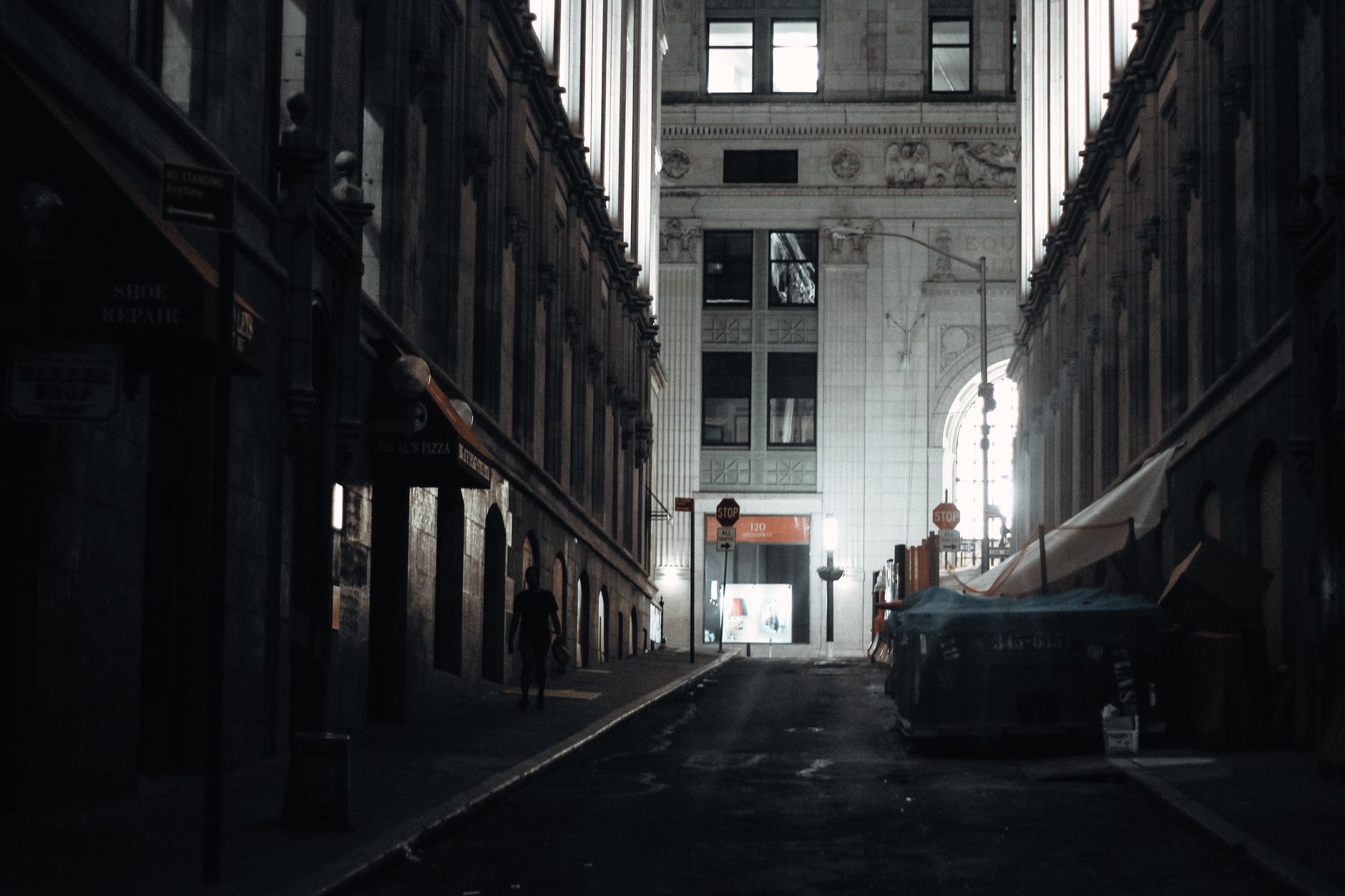
Henri Cartier-Bresson's concept of the "decisive moment" — the precise instant when all elements of a scene align to produce the strongest possible image — is the foundation of street photography. The practical application: find a compelling scene or background (interesting light, graphic shapes, dynamic architecture) and wait for a subject to move into the right position within it. This is the opposite of chasing subjects — you're constructing the frame first and waiting for human elements to complete it. This approach produces more compositionally deliberate images than following subjects and hoping for good light.
Technique 2: Use Shadows and Geometry
Urban environments produce extraordinary shadows — cast patterns from architecture, railings, window grids, and trees that create graphic, abstract elements in photographs. Using these shadow patterns as compositional elements (having a subject walk through a grid shadow, positioning a person within a geometric shadow pattern) produces images with visual structure beyond simple documentation. Early morning and late afternoon produce the most dynamic shadows at low sun angles. Photograph shadows themselves as abstract subjects, not just as context for human subjects.
Techniques 3-6: Reflection, Layers, Contrast, and the Empty Frame
Reflections in windows, puddles, and mirrors create compositional opportunities that layer multiple subjects or scenes in a single frame. Layering (foreground, middle ground, background subjects) adds visual complexity and depth that flat, single-subject frames lack. Contrast — small person against large architecture, bright clothing against dark surroundings, the ancient next to the modern — creates visual tension that makes images memorable. And sometimes the most powerful composition is the empty frame that implies rather than shows — a lone shadow, a discarded object, an arrangement of elements that suggests human presence without depicting it directly.
Honest Bottom Line: The most deliberate street photography approach: find a strong frame with good light or geometry and wait for subjects to complete it, rather than chasing subjects into whatever background exists. Shadow patterns from urban architecture create graphic compositional elements that elevate photographs beyond documentation. Layering (foreground/middle/background), reflections, and contrast (scale, color, tone, old/new) add visual complexity. The empty implied-presence frame is often more powerful than obvious subject presence. Internalize these 6 techniques and compositional decisions become automatic at street speed.