Street Photography: The Honest Beginner Guide to Getting Over Your Fear and Getting the Shot
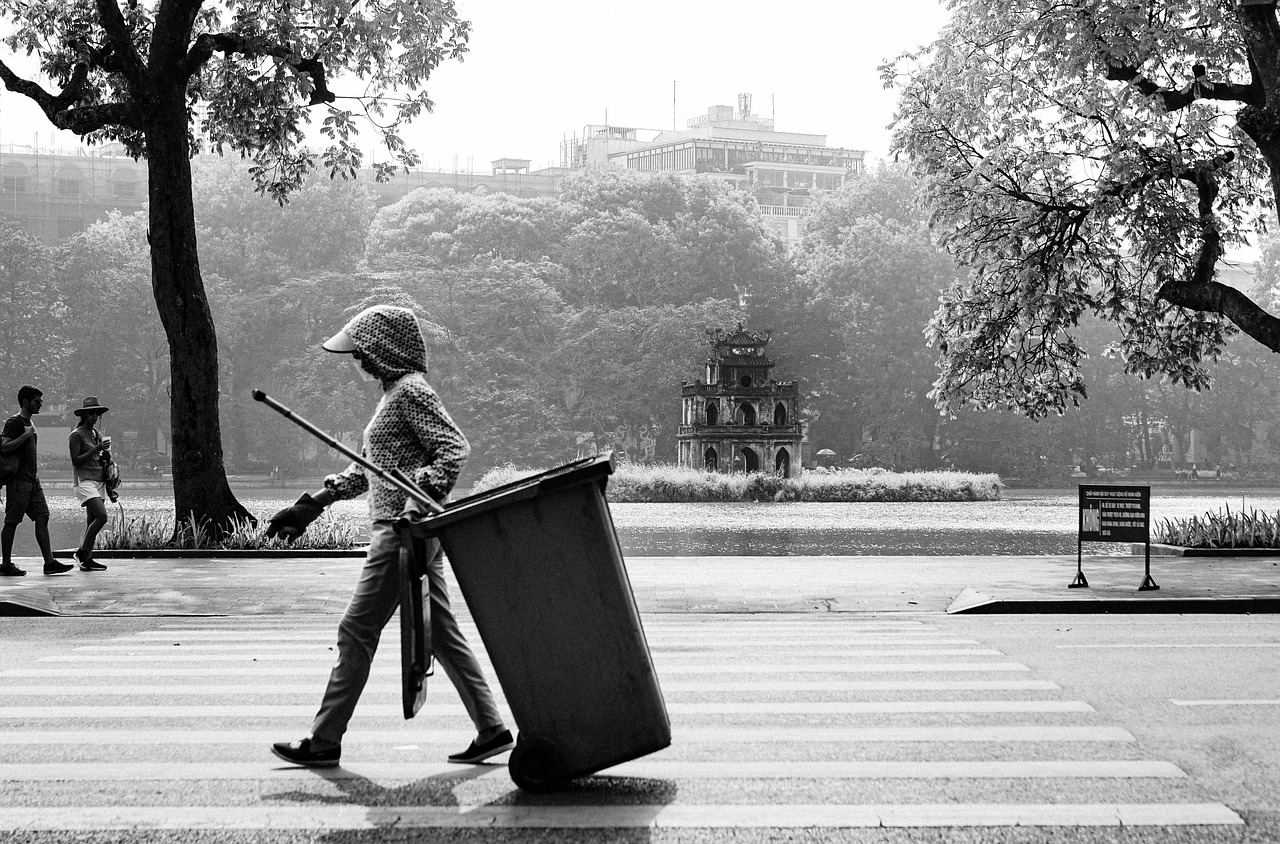
Street photography — capturing candid images of people and urban life — is simultaneously one of the most rewarding and most intimidating photographic disciplines. The reward is images that capture genuine human moments that can't be staged. The intimidation is the act of pointing a camera at strangers, which requires overcoming social anxiety that most people feel and most street photographers have felt. Here is the honest beginner guide to getting past the fear and developing street photography skills.
The Legal and Ethical Foundation
Understanding your legal standing removes a significant source of anxiety. In most countries, photographing people in public spaces is legal — people in public have a reduced expectation of privacy compared to private settings. In the US, UK, most of Europe, and Australia: photographing people in public without their consent is generally legal. Commercial use of photographs of identifiable private individuals without model releases is more restricted than editorial use. The ethics are more nuanced than the legality: being respectful of subjects, avoiding photographs that exploit or demean, and being sensitive to cultural contexts where public photography is more restricted than in Western settings are all important considerations beyond what's technically legal.
Overcoming the Fear: Practical Approaches
The fear of being confronted when photographing strangers is the main barrier most beginners face. The practical reality: the vast majority of candid photographs are never noticed by subjects who are absorbed in their own activities. When subjects do notice: a genuine smile and brief explanation ("I'm a photographer, I thought this was a beautiful scene") resolves most situations positively. Most people, when approached with respect and genuine appreciation for the moment you wanted to capture, are pleased rather than upset. The encounters that street photographers fear most are also the ones that happen least often — and experienced street photographers typically look back on early confrontation anxiety as having been much worse than the actual interactions warranted.
The Technical Approach That Suits Street Work
The best street photography setup: a small, unobtrusive camera (mirrorless systems with compact primes, or even a smartphone) that doesn't draw attention. A 28-35mm equivalent focal length puts you close enough to subjects for engaging compositions without the physical distance of a telephoto that emphasizes the photographer-subject separation. Set your camera to aperture priority at f/8, auto ISO (800-3200 maximum), and shutter priority at 1/250 second — this "zone focusing" approach keeps everything sharp without hunting for focus, letting you concentrate on composition and moment.
Honest Bottom Line: Photographing people in public spaces is legal in most Western countries — understanding this removes much of the anxiety. Most subjects don't notice candid photographs; those who do usually respond positively to a respectful explanation and smile. The feared confrontations happen rarely and are less severe than beginners anticipate. Use a small, unobtrusive camera with 28-35mm focal length at f/8 with fast shutter (1/250) for zone-focusing street work. The technical setup should require minimal attention so you can focus entirely on moment and composition.