Creating a Photo Essay: How to Tell a Complete Story With a Series of Street Photographs
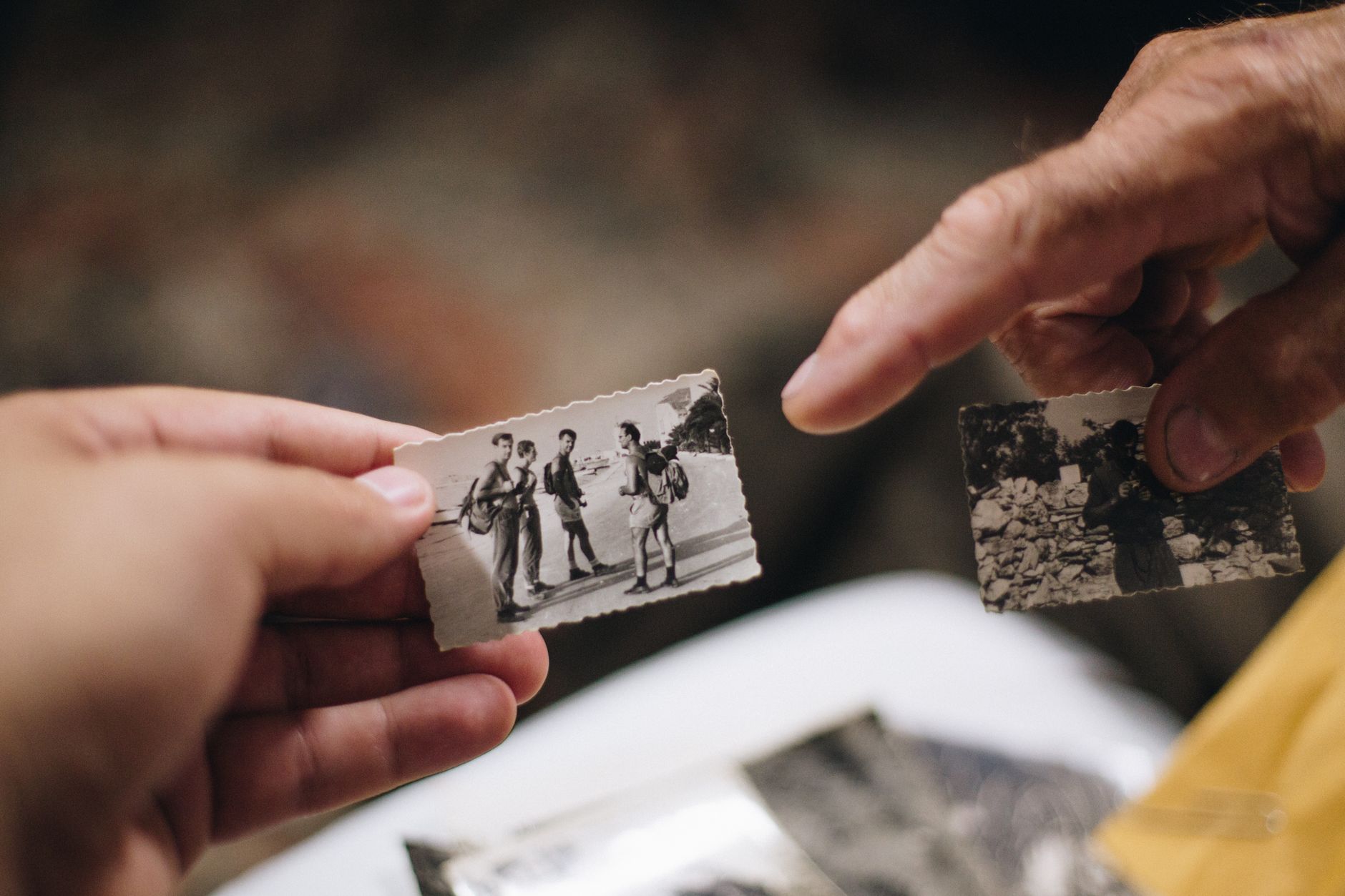
A single powerful photograph captures a moment; a photo essay tells a complete story. The difference between a collection of good individual photographs and a successful photo essay is editorial thinking — selecting, sequencing, and editing images to create a coherent narrative arc. Street photography essay work is some of the most important documentary photography ever made (Robert Frank's "The Americans," Dorothea Lange's Depression-era work, Mary Ellen Mark's portraits of marginalized communities) and is accessible to photographers at all experience levels. Here is the guide.
Start With a Concept, Not Just a Subject
The distinction between a subject and a concept: "the farmers market" is a subject; "the social rituals of food buying and selling in urban communities" is a concept. The concept gives the essay a point of view and a question it's trying to answer or explore. Starting with a concept produces more coherent editorial choices than starting with a location and photographing everything interesting. Your concept doesn't need to be explicitly stated in the photographs — it guides your shooting and editing choices in ways that give the resulting essay coherence even when viewers don't articulate the underlying idea.
The Essential Photograph Types
A well-constructed photo essay typically includes several types of images that serve different narrative functions: an establishing shot (wide, contextual, shows the environment and scale), a detail shot (close-up of an object or texture that carries meaning), a portrait (a person who embodies or relates to the essay's theme), an action shot (something happening, creating narrative movement), and a concluding shot (an image that provides resolution or leaves the viewer with a final feeling). Not every essay needs all of these, but having most of them produces a more complete and satisfying narrative than a series of similar types of shots.
The Edit: Ruthless Selection and Sequencing
The editing process (selecting and sequencing) is where essays are made or destroyed. Most photographers show too many photographs — 8-12 images typically tell a street essay story more effectively than 30. Edit ruthlessly: if an image is weaker than the others, cut it even if you like it. The sequence matters as much as individual images — the order in which viewers see photographs determines the story they construct. Begin with an image that establishes context and draws viewers in; end with one that provides closure or leaves a resonant final impression; vary the rhythm (close-far, action-stillness) throughout the sequence to maintain engagement.
Honest Bottom Line: A photo essay requires a concept (point of view or question being explored), not just a subject. Include different image types that serve narrative functions: establishing shot (context), detail (meaning-carrying close-up), portrait (humanizing element), action (narrative movement), conclusion (resonant final impression). Edit ruthlessly to 8-12 images — remove weaker images even if you like them individually. Sequence matters as much as individual images — vary rhythm (close/far, action/stillness) and end on an image that provides closure or lasting impression.