Landscape Photography in 2026: What Separates Good Shots From Great Ones
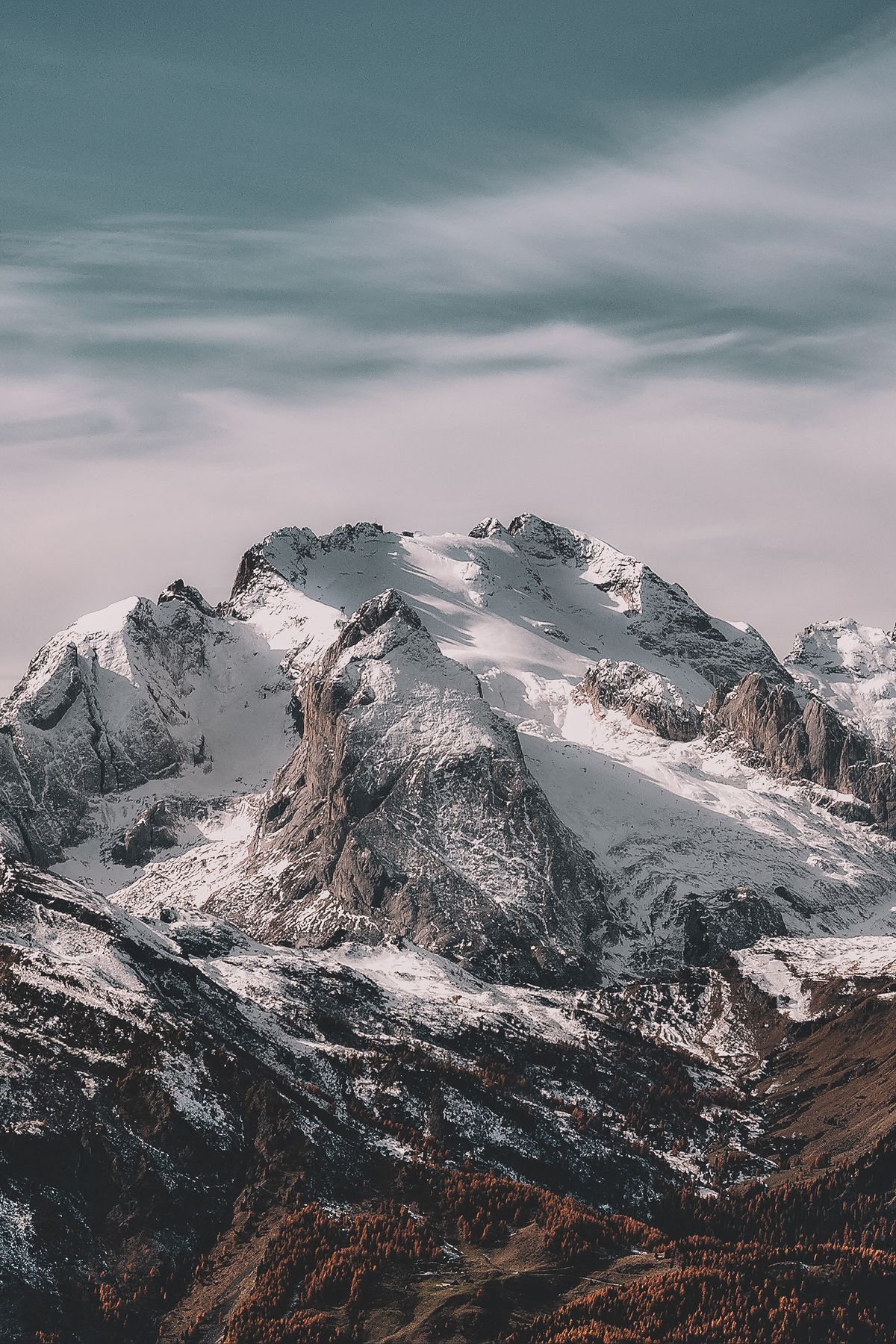
Landscape photography is one of the most popular photographic genres and one where the gap between technically competent images and genuinely memorable ones is wider than in most other areas of photography. Modern cameras and phones produce technically adequate landscape images easily; the skills that produce images worth looking at twice involve decisions about light, composition, and intention that equipment cannot make. As a professional landscape photographer with ten years of published work, here is the honest guide to what actually separates memorable landscape images from the technically adequate ones that fill most photography platforms.
Light Is Not the Whole Story, But It Is Most of the Story
The golden hours — the hour after sunrise and before sunset — are golden for specific photographic reasons: the low angle of the sun creates directional light that reveals texture and form, the warm color temperature is flattering to most natural subjects, and the rapid change in light conditions during these periods creates variety that the flat midday light does not. Experienced landscape photographers plan shoots around light conditions, checking forecast apps (The Photographer's Ephemeris, PhotoPills) that predict sunrise and sunset times, golden hour light quality, and where the sun will be positioned relative to landscape features at specific times of day from specific locations.
The honest addition to the golden hour advice: the hour before sunrise (blue hour) and the conditions around storm light — the dramatic break in weather that produces extraordinary cloud formations and unusual lighting — often produce the most distinctive landscape images precisely because they are uncommon. The most memorable landscape photographs are frequently not of the most photogenic locations under ordinary conditions but of ordinary locations under extraordinary light. Understanding this shifts the emphasis from finding remarkable places to developing the patience and preparation to be in position when remarkable light occurs in the places you know.
Composition: The Decisions That Cannot Be Automated
Compositional choices in landscape photography are the most impactful decisions the photographer makes and the ones that most separate the thoughtful from the formulaic. The rule of thirds — placing horizon and key elements on the thirds rather than the center — is a starting framework, not a law, and the photographers who apply it mechanically produce images that feel technically correct but emotionally inert. The more useful compositional questions: what is this image about (the specific thing you want the viewer's attention to land on), and what does everything else in the frame do to lead to or reinforce that element?
Foreground interest is the compositional element most consistently absent from disappointing landscape images. A wide-angle shot of distant mountains is frequently less compelling than the same mountains with a strong foreground element — interesting rocks, wildflowers, a reflective pool, a winding path — that gives the eye an entry point and creates the depth that separates three-dimensional scenes from two-dimensional backdrops. Physically moving to find a foreground element rather than shooting from the obvious vantage point is one of the most reliable improvements a landscape photographer can make. Most iconic landscape photographs were made by photographers who did not shoot from where other photographers stand.
The Post-Processing Reality
Post-processing — editing in Lightroom, Capture One, or equivalent software — is not cheating; it is part of the photographic process as fundamental as darkroom work was in the film era. The decisions about exposure, contrast, white balance, and color are photographic decisions that affect the final image as much as camera settings. The honest post-processing advice: the edit should serve the image's intention rather than demonstrate processing capability. The heavily processed landscape image where the drama is created through slider manipulation rather than being present in the original scene is immediately recognizable by experienced viewers and is a different thing than a photograph that captures drama that was genuinely there.
Honest Bottom Line: Golden hour light is golden for specific photographic reasons (directional light revealing texture, warm color temperature) — plan using The Photographer's Ephemeris or PhotoPills for light prediction at specific locations. Blue hour and storm break light often produce more distinctive images than golden hour precisely because they are less common. Composition: the rule of thirds is a starting framework, not a law — the more useful question is what the image is about and how every element serves that. Foreground interest is the most consistently absent element in disappointing landscapes — physically moving to find a foreground element that creates depth is the most reliable single improvement. Post-processing is part of the photographic process; the distinction between editing that serves captured drama and drama created through slider manipulation is immediately visible to experienced viewers.