Black and White Street Photography: Why Removing Color Often Makes Images Stronger
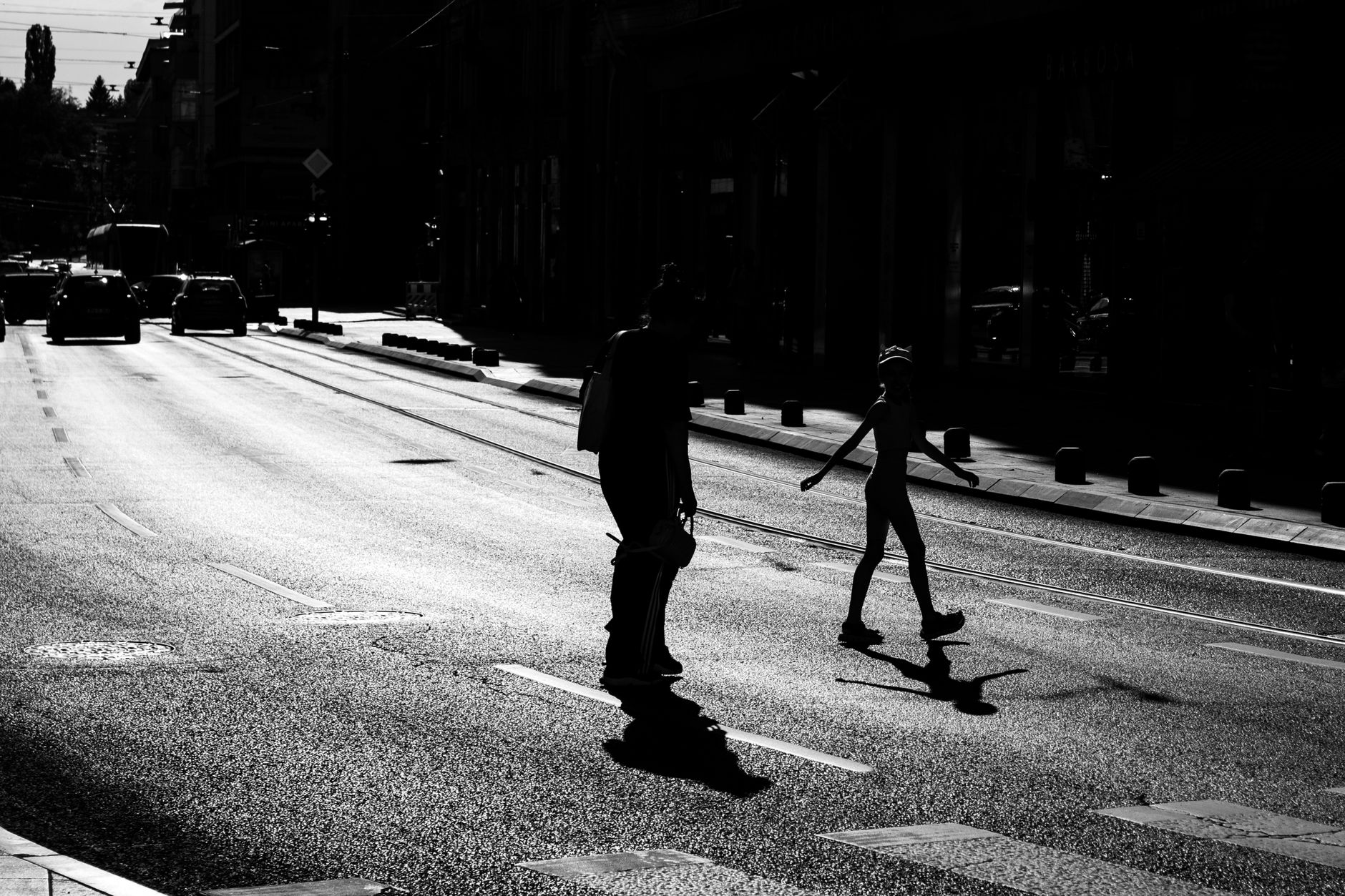
Black and white photography has been the dominant aesthetic in street photography since the genre's inception with photographers like Henri Cartier-Bresson, Vivian Maier, and Garry Winogrand, and it remains compelling not from nostalgia but because removing color often genuinely strengthens street images. Here is the honest guide to why black and white works for street photography and how to do it well technically.
Why Black and White Works for Street Photography
Color is visually dominant — when color is present, the eye is drawn to it before form, light, and content. In street photography, where the subjects are people navigating complex urban environments, color often competes with what you want the viewer to look at. Removing color forces the eye to focus on light, shadow, texture, gesture, and human expression — which are usually the most important elements in street photographs. Black and white also abstracts the image slightly from documentary reality, giving it a more timeless quality that emphasizes the universal rather than the date-specific.
The scenes that convert most effectively to black and white: high-contrast situations (bright sunlight with deep shadows), images where a specific color would distract from the primary subject, emotional portraits where you want expression to dominate over environmental context, and graphic, geometric compositions where form is more important than mood.
How to Convert Well: It's Not Just Desaturation
Simply desaturating a color image in Lightroom or Photoshop produces flat, lifeless black and white. Professional black and white conversion uses channel mixing — adjusting how different colors convert to gray tones. In Lightroom's B&W panel: raising the Orange and Red sliders brightens skin tones and makes portraits more luminous. Raising the Blue slider brightens skies. Lowering the Green slider darkens foliage. The specific adjustments depend on the colors in your image, but the key insight is that different colors in the original image can be made lighter or darker independently, giving you enormous control over the tonal relationships in the final black and white image.
Honest Bottom Line: Black and white works for street photography because removing color forces focus onto light, shadow, gesture, and expression — the elements that matter most. High-contrast scenes, emotionally dominant portraits, and graphic geometric compositions convert most effectively. Professional black and white conversion uses channel mixing (Lightroom B&W panel) rather than simple desaturation — adjusting how individual colors convert to gray tones gives you tonal control that desaturation doesn't. Shoot in RAW with camera set to simulate black and white for composition guidance while retaining color data for post-processing control.