Architectural Photography in 2026: How to Photograph Buildings That Are Actually Worth Looking At
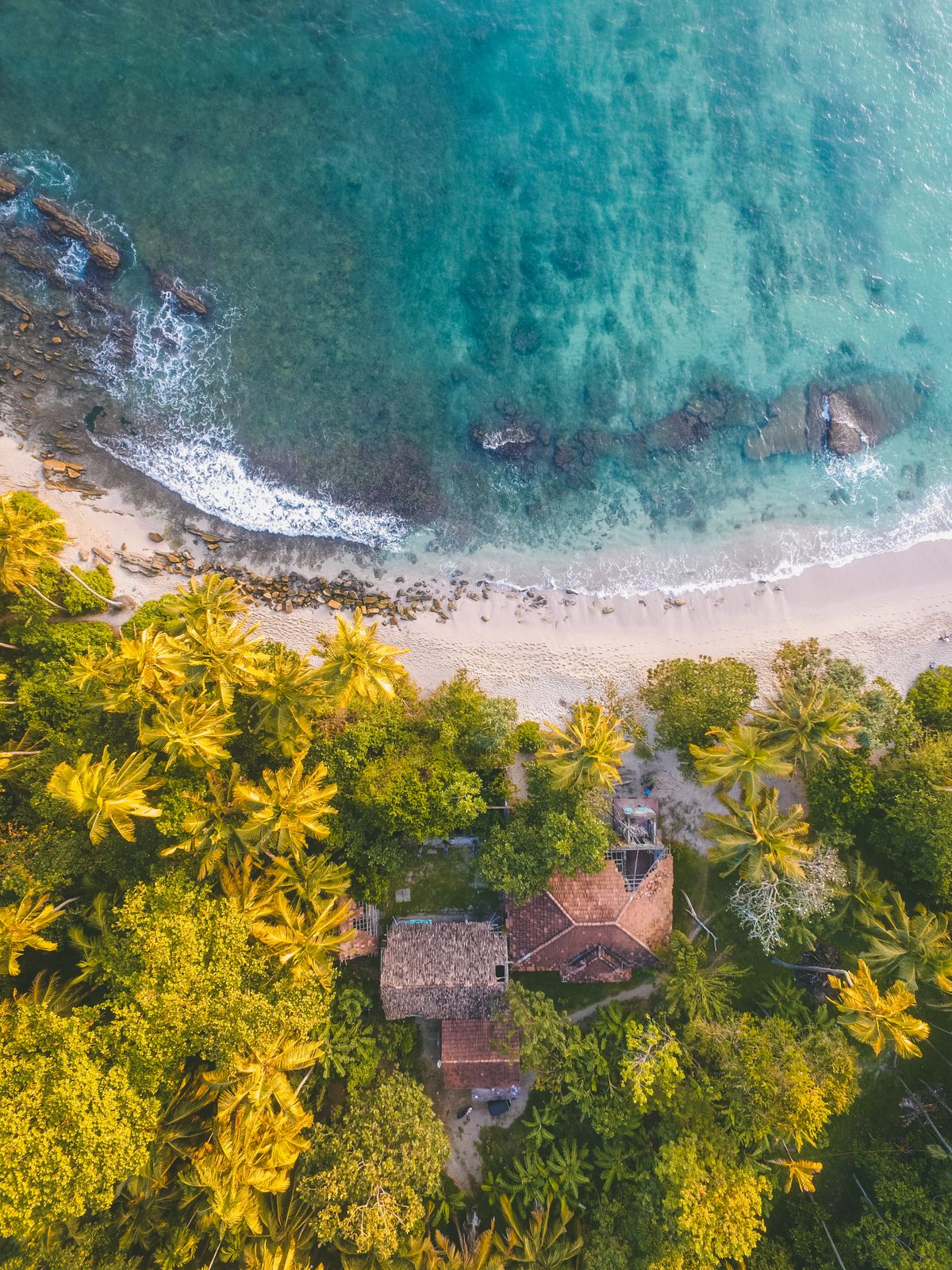
Architectural photography — making photographs of buildings and built environments that convey their character, intention, and spatial quality — is a distinct discipline that requires thinking differently from landscape or portrait photography. Buildings do not move, the light on them changes predictably, and the access challenges are often logistical rather than physical. What is difficult is finding the angle, light, and framing that shows what is interesting about a structure rather than simply documenting that it exists. After ten years shooting architecture professionally, here is the honest guide to what makes architectural photography work.
The Fundamental Problem: Vertical Lines
The most distinctive technical challenge in architectural photography is the convergence of vertical lines — the way tall buildings appear to lean inward or outward when photographed with a wide-angle lens from ground level. This convergence is geometrically accurate (it is what the lens sees from that perspective) but feels unnatural and distorted to viewers who are accustomed to perceiving buildings as having vertical walls. Professional architectural photographers manage this through equipment choices (tilt-shift lenses, which maintain the film plane parallel to the building face), shooting from a higher position (finding a vantage point at mid-building height), or shooting from sufficient distance that the angle to the top of the building is less extreme. Post-processing correction (perspective correction in Lightroom or dedicated software) works adequately for mild convergence but produces geometric distortions and image quality loss when applied aggressively.
The counterintuitive approach: deliberately leaning the camera further down or further up to create convergence as an expressive compositional choice, rather than trying to eliminate it and failing. Some of the most compelling architectural images use dramatic convergence intentionally to convey height or dynamism rather than trying for the flat documentary parallel that requires specialized equipment or elevation access.
Light and Time of Day for Architecture
The relationship between building orientation and optimal photographing time is the first research a serious architectural photographer does before a shoot. A building facing east is lit by warm morning light and in shadow by afternoon; a west-facing facade is in shade in the morning and in warm light in the evening. The most flattering exterior architectural light is the same directional golden hour light that works for landscape — low angle, warm color, texture revealing. But architectural interiors introduce a different challenge: balancing bright window light with interior exposure requires either multiple exposures combined in post-processing (HDR approach), flash fill to balance interior and exterior, or waiting for the light conditions where the balance is natural (often twilight, when exterior light drops closer to interior lighting levels).
Overcast light, which is generally less interesting for landscape photography, is often excellent for architectural photography — particularly for interiors — because it is soft, even, and does not produce the harsh shadows that direct sunlight creates on architectural detail and interior spaces. The diffused light of a bright overcast day brings out material texture and color without the distracting shadow patterns that sun creates on complex facades.
What Makes an Architectural Image Work
The images of buildings that are genuinely compelling do not simply show the building accurately — they convey something about the building's character, its relationship to its environment, or the experience of being in or near it. The architect's intentions (which you can research before shooting) provide interpretive context: a building designed to express structural lightness should be photographed in ways that convey that lightness; a building designed to convey solidity and mass should be photographed to convey that weight. Photographing a building without understanding what it is trying to be produces accurate documentation that misses the point.
Honest Bottom Line: Vertical line convergence is the distinctive technical challenge — managed through tilt-shift lenses, elevated shooting positions, distance, or deliberate compositional choice. Aggressive post-processing correction produces geometric distortions and is a poor substitute for proper technique. Building orientation determines optimal shooting time — research which direction the facade faces before arrival. Golden hour directional light works best for exteriors; overcast light is often better than sun for interiors (even illumination without harsh shadow patterns). Twilight is the best interior-exterior balance time. Compelling architectural images convey building character, not just accurate documentation — research the architect's design intentions before shooting to understand what the building is trying to express and photograph to convey it.