Portrait Lighting Setups That Actually Work: 5 Configurations From Natural to Studio
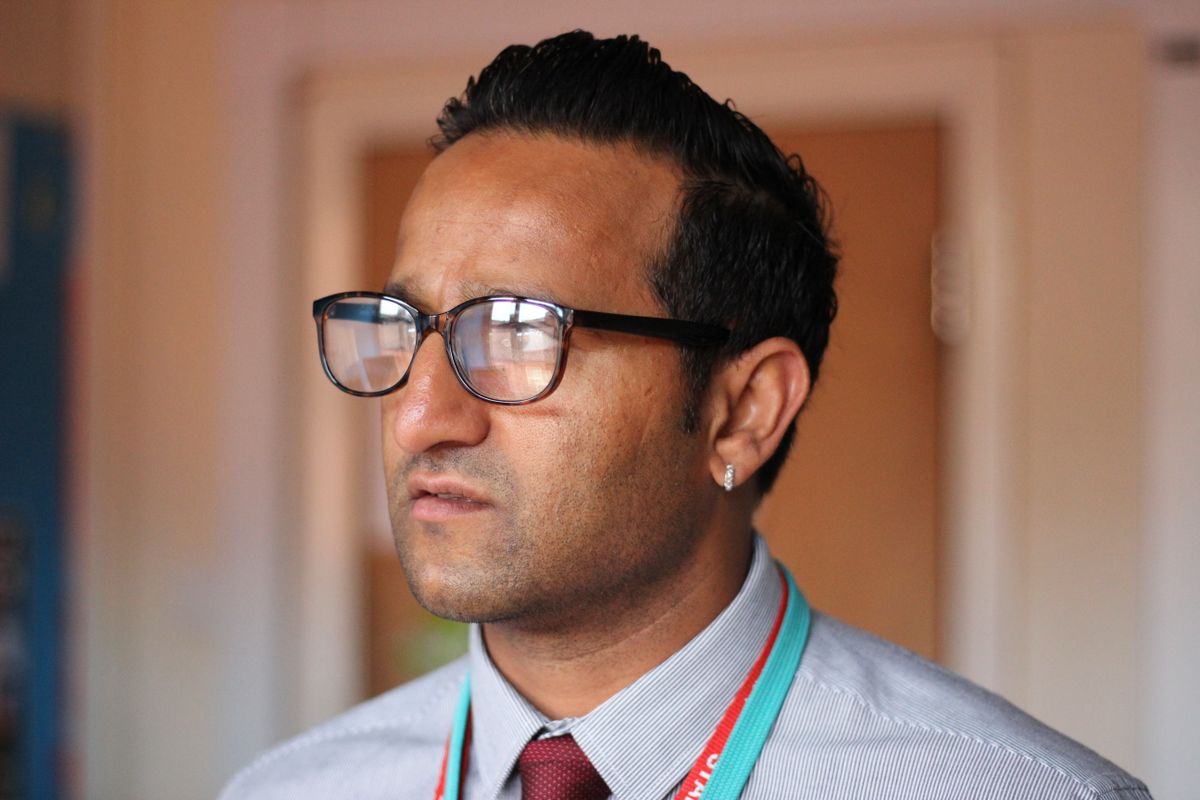
Lighting is the variable that separates a compelling portrait from a flat snapshot more than any other — more than the camera, the lens, or the editing. The difference between unflattering and flattering light is often just the position and quality of one light source. Here are 5 specific portrait lighting setups that produce consistent results, from natural light configurations to basic studio setups.
Setup 1: Window Light Rembrandt
Position the subject at approximately 45 degrees to a large window (ideally a north-facing window for consistent soft light without direct sun). The subject should be close enough to the window that the light wraps around the near side of their face while leaving the far side in relative shadow. The distinctive Rembrandt triangle — a small triangle of light on the shadow-side cheek — is produced when the subject's nose shadow connects with the cheekbone shadow while a small area of the cheek below remains lit. This is one of the most flattering and dimensionally interesting lighting patterns for portraits and requires zero equipment beyond a window. A piece of white foam board or a collapsible reflector on the shadow side of the subject fills in shadow detail if the contrast feels too high.
Setup 2: Outdoor Open Shade
Open shade — the shadow of a building, wall, or tree on a bright day — provides even, diffused light without the harsh shadows of direct sun. Position the subject in the shade with the brightest open sky visible in front of them (not behind). The open sky acts as a large, soft fill light. This setup works reliably between approximately 9am and 3pm on clear days, when the sun is not at extreme angles that create complex shadow patterns in shade areas. The limitation: open shade light is relatively flat — there is less dimensional shadow to reveal facial structure than window light setups. To add dimension, position the subject so one side of their face is closer to the shade edge, where light transitions from shade to bright sky.
Setup 3: One Strobe With Umbrella or Softbox
The basic one-light studio setup — a strobe or speedlight with a softbox or shoot-through umbrella — can be positioned to mimic any natural light pattern and provides consistent, repeatable results independent of time of day or weather. Position the light source at 45 degrees to the subject and above eye level (45 degrees up) for classic Rembrandt lighting. Move it directly to the side for split lighting (half face lit, half in shadow — more dramatic). Move it directly in front and slightly above for flat butterfly lighting (minimal shadows, used in fashion and beauty photography). The umbrella or softbox size relative to the subject determines light quality — larger modifiers relative to the subject produce softer, more wrapping light.
Setups 4 and 5: Two-Light Setups
Adding a second light source creates significantly more control over shadow depth and background separation. The most useful two-light configuration for portraits: a main light (as in setup 3) plus a fill light at lower power on the opposite side of the subject, reducing shadow contrast without eliminating dimensional shadow. The ratio between main and fill (2:1 for low contrast, 4:1 or higher for more dramatic depth) determines the mood of the portrait. The second common two-light use: a main light plus a hair or background light — the hair light (aimed at the back of the subject's head from above or behind) separates the subject from the background by adding highlights to the hair, creating a three-dimensional separation that makes subjects appear to pop forward from the background.
Honest Bottom Line: Window light Rembrandt (subject at 45 degrees to window, reflector for fill) produces dimensional, flattering portraits with zero equipment. Open shade with bright sky in front produces even, flattering light for outdoor portraits without harsh shadows. One strobe with softbox or umbrella at 45 degrees provides consistent, repeatable results independent of ambient conditions. Two lights add shadow ratio control (main plus fill) and subject-background separation (main plus hair light). Start with window light — master the principles of light position and quality before adding equipment.