Natural Light Portrait Photography: 5 Times of Day That Produce Beautiful Results
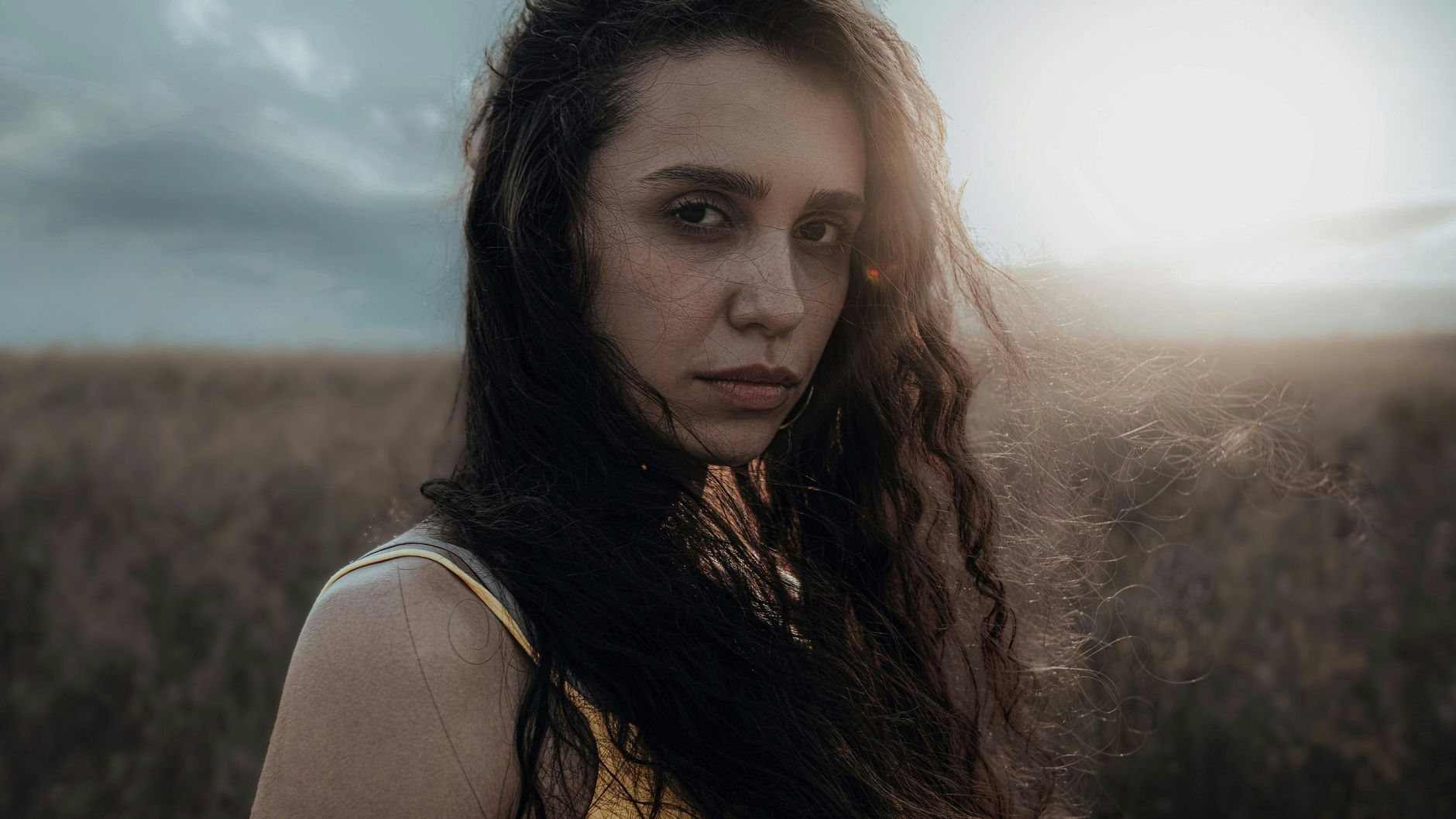
Natural light is free, available everywhere, and more beautiful than most artificial lighting setups when used at the right time and in the right way. The light at 2pm on a sunny day is harsh and unflattering; the same light an hour before sunset transforms into something magical. Understanding how light quality changes throughout the day is one of the highest-leverage skills in outdoor portrait photography. Here is the guide to the 5 light situations that produce the most beautiful natural light portraits.
Golden Hour: The Magic Hour Before Sunset and After Sunrise
The hour after sunrise and the hour before sunset produce the "golden hour" — warm, directional, low-angle light that is almost universally flattering for portraits. The sun's position close to the horizon produces longer light paths through the atmosphere, filtering out blue wavelengths and producing the warm golden tones that flatter skin regardless of complexion. The low angle creates dimensional shadows that reveal facial structure. The diffused quality (low sun through atmospheric haze) is softer than midday sun. This is the outdoor lighting situation that produces the most consistently beautiful portrait results and the one that professional photographers specifically schedule sessions around.
Open Shade: The Professional's Secret
Open shade — the shadow of a building or tree on a bright day — provides even, diffused light that eliminates harsh shadows and is enormously flattering for portraits. The key is to position the subject in shade with the bright sky visible in front of them (not behind them) — this ensures the sky acts as a large, soft fill light illuminating the face evenly. Open shade at midday is significantly better than direct midday sun for portraits and is more reliable than golden hour because it's available throughout the day. Professional portrait photographers often spend midday shooting in open shade rather than waiting only for golden hour.
Overcast Sky: The Giant Softbox
An overcast sky acts as a massive natural diffuser — the clouds scatter the sun's light, producing even, directionless illumination that eliminates harsh shadows entirely. This produces clean, even skin rendering that is particularly useful for commercial work requiring consistent, predictable light. The limitation: overcast light is beautiful but flat — there are no shadows creating facial dimension. Position subjects near open sky for some directional fill and watch for catch lights in the eyes (which may be less prominent in fully overcast conditions).
Honest Bottom Line: Golden hour (hour after sunrise, hour before sunset) produces warm, directional, flattering light that's the most sought-after outdoor portrait situation — plan sessions around it. Open shade on bright days provides even, diffused light that's flattering and reliable throughout the day — position subjects with bright sky visible in front of them, not behind. Overcast sky produces clean even light with no shadows — beautiful for skin rendering, flatter for dimensional portraits. Avoid direct midday sun for portraits; it's the harshest and most unflattering natural light condition.