Photographing Children: The Techniques That Capture Genuine Moments (Without Forced Poses)
Children are simultaneously the most photographed and the most challenging portrait subjects. The challenge is not technical — it is behavioral. Children rarely cooperate with posed portrait sessions, and when forced to, the results look exactly as awkward and stiff as the experience of producing them. The photographers who consistently produce compelling children's portraits understand that the approach must change entirely — instead of directing children toward ideal poses, you create conditions where genuine moments happen and capture them. Here is the honest guide.
The Fundamental Shift: Documentation Over Direction
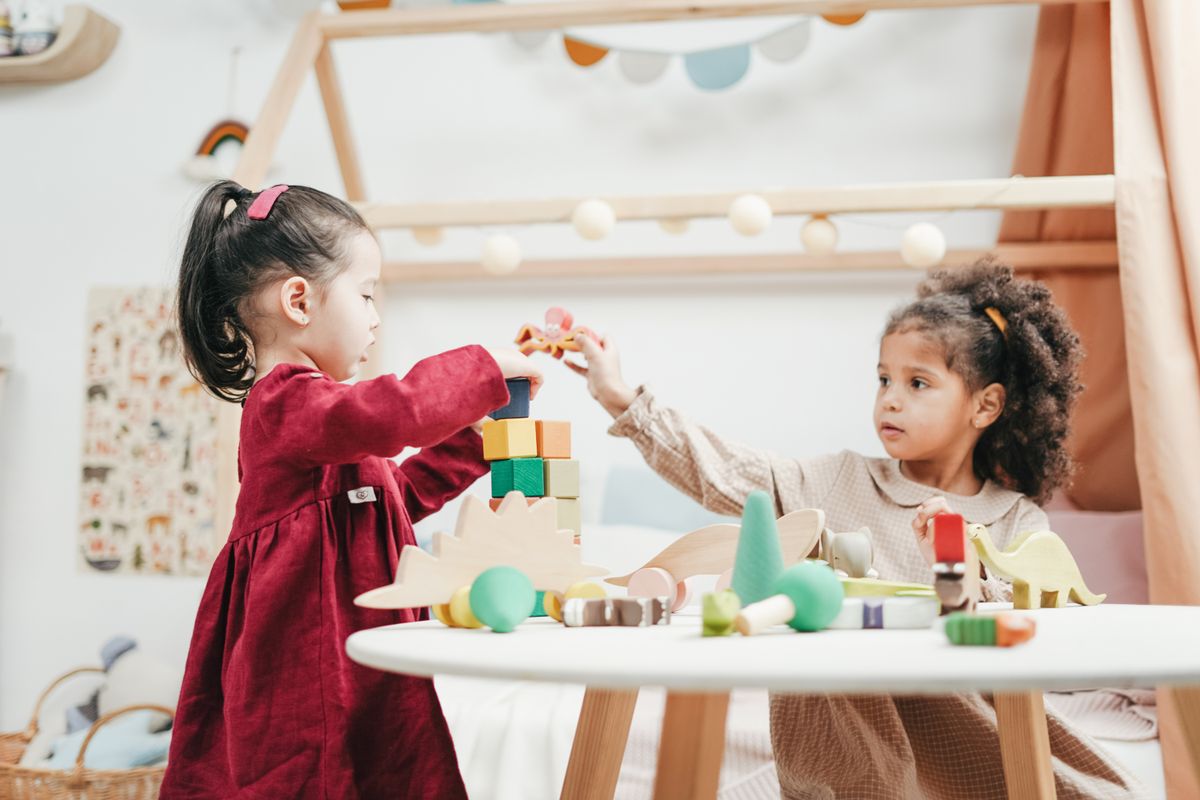
The most important conceptual shift in photographing children: stop trying to create the image and start documenting what naturally occurs. This requires letting go of specific vision for how the photograph should look and instead developing the readiness to capture what does look compelling. In practice: give children something to genuinely engage with — a toy they love, an activity that absorbs their attention, interaction with a parent or sibling they have genuine relationship with — and then step back and document rather than direct. The photographs that result look nothing like posed portraits and often significantly more compelling because the expressions and body language are entirely authentic.
Technical Adjustments for Moving Subjects
Children move unpredictably and often quickly — the technical settings that matter most for children's portraits differ from adult portrait settings as a result. Fast shutter speed (1/500 second minimum for active children, 1/1000 for very active or young children) prevents motion blur that ruins expressions. Continuous autofocus (AF-C on Nikon, AI Servo on Canon) tracks moving subjects and maintains focus as they move toward or away from the camera. Burst mode (continuous shooting) allows capturing multiple frames during a moment and selecting the one with the best expression. The exposure triangle adjustment: higher ISO to maintain shutter speed in available light situations, accepting grain over motion blur in the trade-off.
Building Connection: The Non-Technical Factor
The most technically perfect settings and lighting cannot produce compelling children's portraits if the child is anxious, bored, or performing for the camera rather than genuinely engaged. Children quickly read whether an adult is genuinely interested in them or performing interest as a tool to get them to cooperate — they respond to genuine engagement and retreat from instrumentalization. Get on their physical level (sit on the floor, kneel, crouch). Talk about what they are interested in, not what you need from them. Give them genuine choices about the session. The trust and comfort this builds produces the relaxed, genuine expressions that make compelling portraits — and no amount of technical skill compensates for its absence.
Honest Bottom Line: The fundamental shift for children's portraits: document what naturally occurs rather than directing toward ideal poses — give children genuine engagement (toys, activities, family interaction) and capture what happens. Technical settings for moving children: 1/500-1/1000 shutter speed minimum, continuous autofocus, burst mode for expression selection. The non-technical factor matters most: genuine connection and interest from the photographer produces the relaxed expressions that make compelling portraits — children immediately sense the difference between genuine engagement and instrumentalized cooperation. Get on their physical level, talk about their interests, give them real choices.