Camera Gear in 2026: What Lens and Camera Choices Actually Affect Your Photos
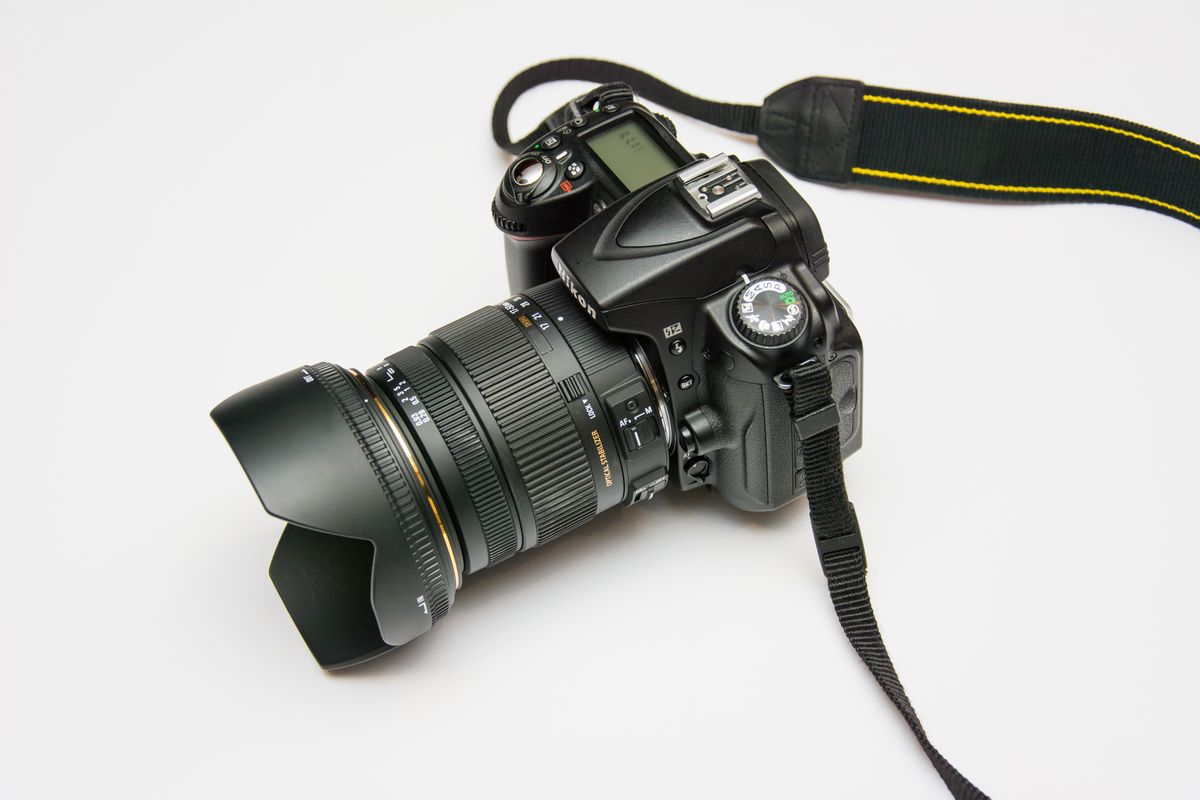
I have been a working photographer for 11 years, shot for major publications, and tested more cameras and lenses than I care to count. The photography gear discussion — online forums, YouTube reviews, photography subreddits — is overwhelmingly dominated by equipment discussion that has a very weak relationship to what actually produces better photographs. Here is the honest guide to what equipment decisions actually matter and what is mostly marketing-driven gear acquisition behavior.
The Honest Assessment of What Equipment Affects
Modern cameras from every major manufacturer above the entry-level tier produce images of essentially equivalent quality in good light. The differences between a mid-range Sony, Canon, Fuji, or Nikon body in normal shooting conditions are smaller than the differences produced by different lighting, composition, and timing decisions by the photographer. Sensor size affects depth of field control and low-light performance in measurable ways: full-frame sensors produce shallower depth of field at equivalent apertures and have better high-ISO performance than crop-sensor cameras. These are real differences — but they matter most in specific shooting contexts (available-light photography, portraits with background separation) and are irrelevant in many others. The camera body has the weakest relationship to image quality of any major equipment decision. Lens quality has a stronger relationship to image quality than camera body — sharp, well-corrected lenses produce demonstrably better images on the same camera body, particularly at wider apertures.
What Lens Choices Actually Produce
The aperture of a lens determines how much light reaches the sensor and how much depth of field (how much of the image is in focus) the lens can produce. A 50mm f/1.8 lens costs $100-300 and produces significantly different images than a kit zoom at equivalent focal length — shallower depth of field, more light gathering, and typically sharper wide-open performance. This is the most impactful equipment upgrade for most beginner photographers: adding a fast prime lens (50mm or 35mm f/1.8 or f/2) to whatever camera they already have. The focal length determines the field of view and perspective compression: wide-angle lenses (24mm, 35mm) include more of the scene, create apparent depth, and show environmental context. Standard lenses (50mm) approximate human vision. Telephoto lenses (85mm, 135mm) compress perspective, isolate subjects, and require greater distance between photographer and subject. Matching focal length to the type of photography you do produces better images than owning many lenses and picking randomly.
The Gear That Does Not Matter as Much as Marketed
Megapixels above 20-24: for anything below large-format printing or significant cropping, 20-24 megapixels is more than sufficient. The difference between a 24MP and 61MP sensor is meaningful only in specific use cases. Continuous shooting speed: marketed heavily for sports and wildlife photography, relevant for a subset of photographers, irrelevant for portraits, landscapes, and street photography. Video specifications for photographers who do not primarily create video: extensive video specifications add cost and marketing prominence without adding photographic value. In-body image stabilization (IBIS) has genuine value for handheld photography in lower light — this is actually a meaningful feature that has changed what is achievable handheld.
Where Skills Outperform Equipment
Light quality and timing produce more dramatic differences in image quality than any equipment decision. The difference between a mediocre image and an excellent one is almost always in the light — its quality, direction, and color temperature — rather than in which camera was used. Composition knowledge produces images that are better structured and more visually engaging regardless of the equipment. Post-processing skill — the ability to develop RAW files effectively — produces more impact on final image quality than camera body differences.
Honest Bottom Line: Modern cameras above entry-level produce essentially equivalent image quality — the camera body is the weakest equipment variable relative to skills like light reading, composition, and timing. Lens quality and aperture have a stronger relationship to image results than camera body — the highest-impact single equipment upgrade for most beginners is adding a 50mm or 35mm f/1.8 prime to whatever camera they have. Gear that does not matter as marketed: megapixels above 24, continuous shooting speed for non-sports/wildlife photographers, and extensive video specs for photographers. Gear that genuinely matters: lens aperture and quality, and in-body image stabilization for handheld low-light work. Light quality, composition, and post-processing skill outperform every equipment upgrade.