Buying a Camera in 2026: The Honest Guide to What You Actually Need
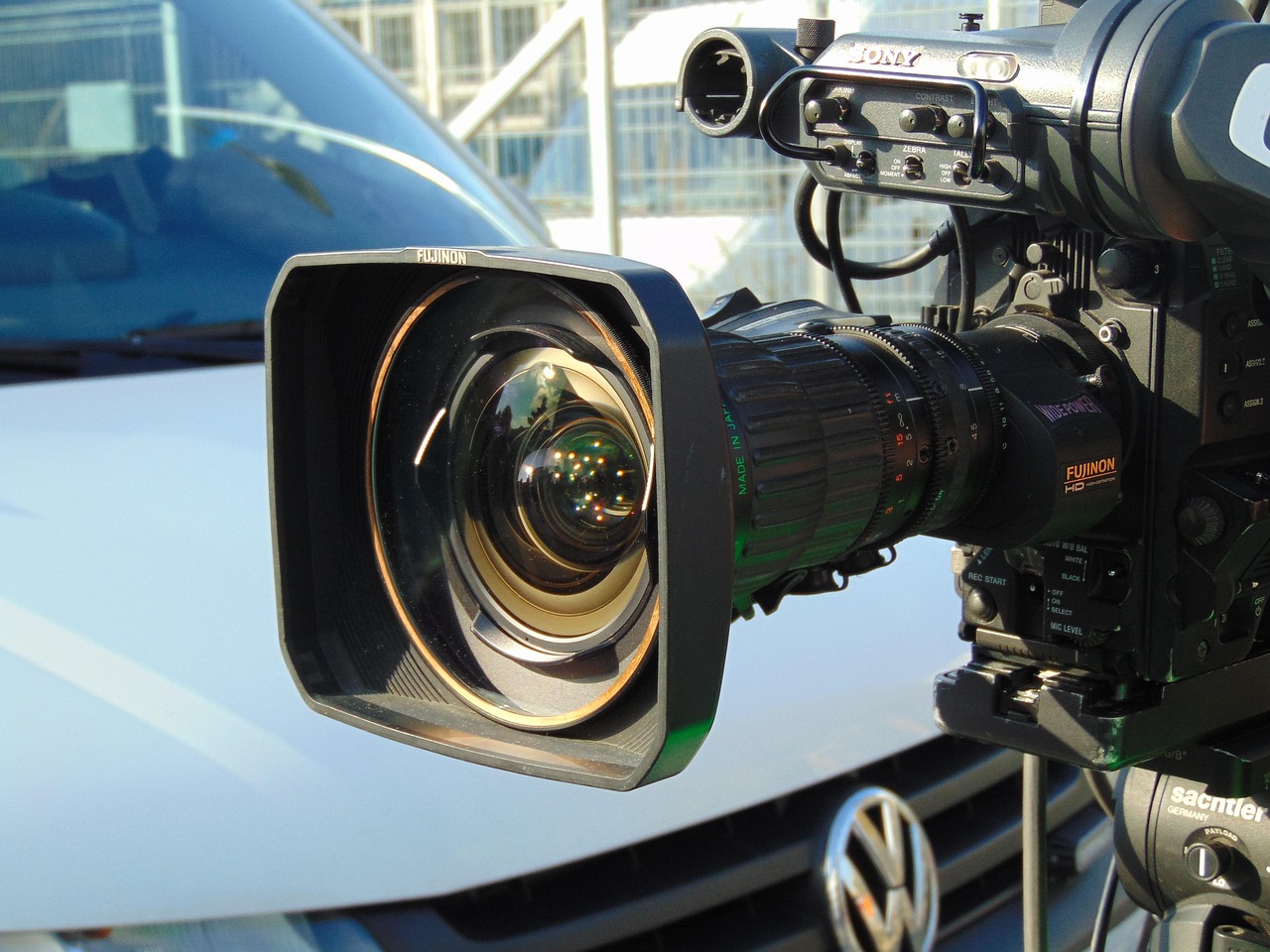
Camera options are overwhelming. Here is the honest guide to choosing the right camera for your actual needs.
The camera market in 2026 is dominated by mirrorless systems from Sony, Canon, Nikon, Fujifilm, and others, with DSLR development having largely ended as manufacturers focus on mirrorless development. For buyers entering the market — whether upgrading from smartphone photography or buying a first dedicated camera — the options are broader and the used market is stronger than ever, but the guidance needed to make a good choice is harder to find amid marketing and enthusiast opinion. Here is the honest guide.
The Most Important Question: What Do You Actually Photograph?
Camera selection should start with use case rather than specification comparison. The specifications that matter depend entirely on what you photograph: sports and wildlife require fast autofocus and high frame rates; landscape photography prioritizes resolution and dynamic range over speed; portrait photography values lens rendering and color science; video photography has different priorities than still photography (video autofocus, stabilization, recording limits). The most common camera purchase mistake: buying a camera with specifications that exceed what your actual photography requires, in a system that requires expensive investment to fully utilize.
The Sensor Size Decision
Camera sensor sizes — from full-frame (35mm equivalent) to APS-C to Micro Four Thirds — affect image quality, system cost, and lens selection. Full-frame sensors provide the best low-light performance and the shallowest depth of field at equivalent apertures, at the highest system cost. APS-C sensors (used in Fujifilm X-series, Sony a6000 series, Canon R10/R50) provide excellent image quality at lower system cost, with smaller, lighter lenses — the right choice for most photographers who are not specifically limited by full-frame requirements. Micro Four Thirds (Olympus/OM System, Panasonic) provides the most compact system with good image quality and excellent video features, at the cost of some low-light performance relative to larger sensors.

The Used Market Opportunity
The camera used market is excellent in 2026 because the DSLR-to-mirrorless transition has generated significant supply of capable, well-maintained DSLR cameras at dramatically reduced prices. A used Canon 5D Mark III or Nikon D750 at $500–700 provides full-frame image quality that competes with current mirrorless systems costing 3–5x more, with the trade-offs of heavier body and older autofocus systems that matter for some photography types and not others. For photographers without specific mirrorless-only requirements (real-time EVF exposure preview, subject eye tracking), used DSLRs represent the best image-quality-per-dollar in the market.
Bottom Line: Start with use case (what you actually photograph) rather than specifications — speed requirements, resolution needs, and video requirements vary dramatically by photography type. APS-C sensors are the right choice for most photographers — excellent quality, lower system cost, lighter lenses, without full-frame trade-offs that only matter for specific use cases. Used DSLRs (Canon 5D MKIII, Nikon D750 at $500–700) provide full-frame image quality at dramatic discount due to mirrorless transition supply — appropriate when mirrorless-specific features are not required for your photography.