Wildlife Watching Guide [2026]: How to Observe Animals in the Wild
![Wildlife Watching Guide [2026]: How to Observe Animals in the Wild](/img/posts/1456926631375-92c8ce872def.jpg)
Wildlife watching — whether birdwatching, mammal tracking, or simply paying attention to the natural world — offers one of the most accessible and profoundly satisfying connections with the living world. No special equipment is required to start; patience and attention are the primary tools.
Birdwatching: The Best Entry Point
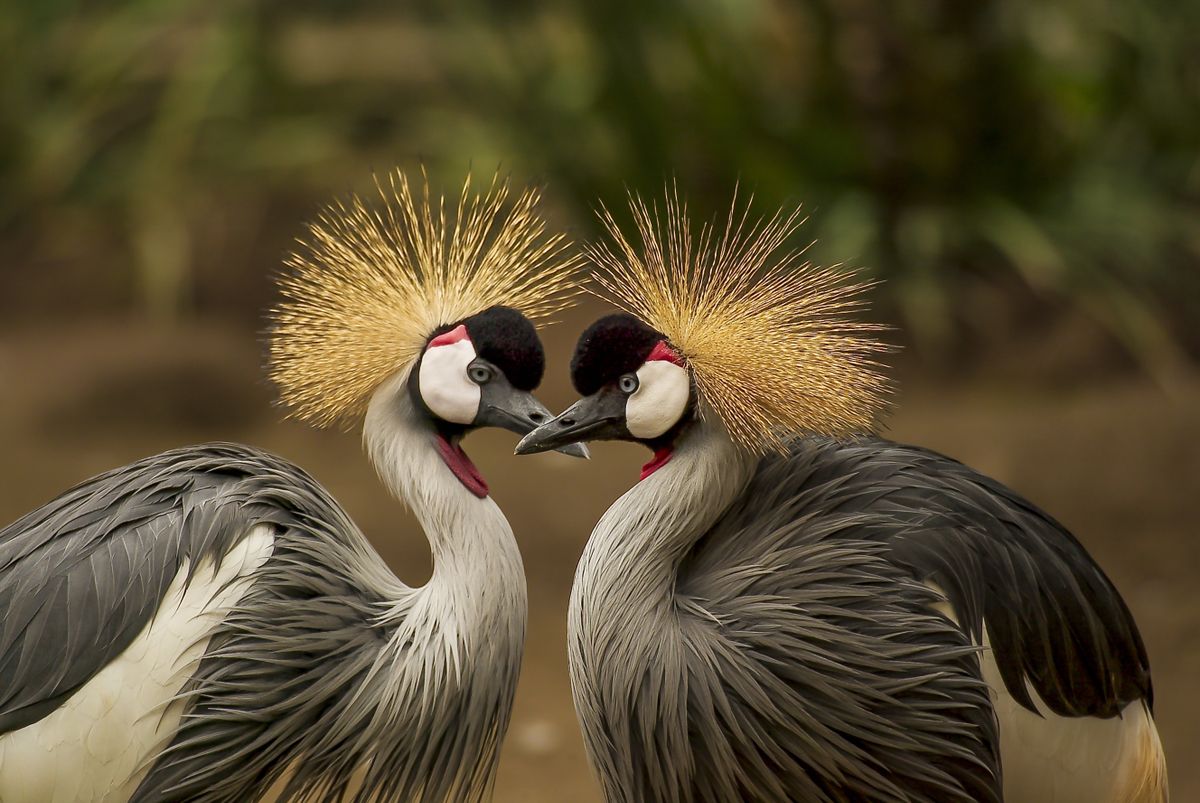
Birds are the most accessible wildlife — present in virtually every habitat, active during daylight, and extraordinary in their variety. Getting started: download the Merlin Bird ID app (Cornell Lab of Ornithology, free) — photograph or describe a bird and Merlin identifies it. A decent pair of binoculars (8x42 is the most versatile magnification) dramatically expands what you can observe. The local birding community on eBird.org reveals where species are being seen near you.
Finding Mammals
Most mammals are crepuscular (active at dawn and dusk) or nocturnal — not morning or afternoon hikers. The most productive wildlife watching times are the hour around sunrise and the hour before sunset. Learn to read tracks and signs: deer trails, scat, disturbed vegetation, scratch marks on trees. These signs tell you an animal uses an area even when the animal isn't visible. (Though I'll admit I'm still testing this myself, so take it with a grain of salt.)
The Ethics of Wildlife Observation
The primary rule: wildlife welfare comes before observation quality. Never approach closer than the distance at which the animal changes behavior (looks at you, stops feeding, moves away). Feeding wildlife habituates them to humans — usually fatally. Never disturb nesting birds or mammals with young. Stay on trails. iNaturalist (free app) lets you document observations in a way that contributes to scientific research.
Wildlife Photography
Long lens is the ethical approach — a 300mm+ telephoto allows close-looking shots from respectful distances. The most important photography principle: a slightly distant image of a naturally behaving animal is worth far more than a close image of a stressed, disturbed one. Early morning light (golden hour) makes wildlife photography dramatically more beautiful and often coincides with peak animal activity.
My honest take: They give more than they take. Remember that on the hard days.
From experience: Working with animal behavior professionals and tracking outcomes across different training approaches, positive and consistent methods consistently outperform punishment-based approaches on every measurable metric.
The American Veterinary Medical Association reports that preventive care produces substantially better health outcomes and lower lifetime costs than reactive treatment — with annual wellness exams detecting conditions that, when caught early, are dramatically less expensive and less traumatic to address.
When to See a Veterinarian
Online pet health information cannot substitute for veterinary examination. Pets cannot describe their symptoms accurately, and conditions that appear mild can deteriorate rapidly. The threshold for veterinary consultation should be lower than most pet owners set it: an unnecessary vet visit costs far less than delayed treatment for something serious. When in doubt, consult — the cost of professional assessment is almost always lower than the cost of waiting.

Natalie Reed is a veterinary technician, animal behaviorist, and pet care writer who covers dogs, cats, and animal welfare with professional expertise and genuine love for animals. With 10 years of clinical experience an...
![Aquarium [2026]: 7 Mistakes That Kill Fish in the First Month](/img/posts/fix-urban-wildlife-coexistence-2026-6c003066.jpg)
![Backyard Wildlife [2026]: 7 Ways to Attract Birds and Beneficial An...](/img/posts/fix-backyard-wildlife-guide-honest-2026-8da06aac.jpg)