Wildlife Photography: Getting Started Without the $10,000 Setup [2026]
![Wildlife Photography: Getting Started Without the $10,000 Setup [2026]](/img/posts/fix-wildlife-photography-honest-guide-2-e87faafd.jpg)
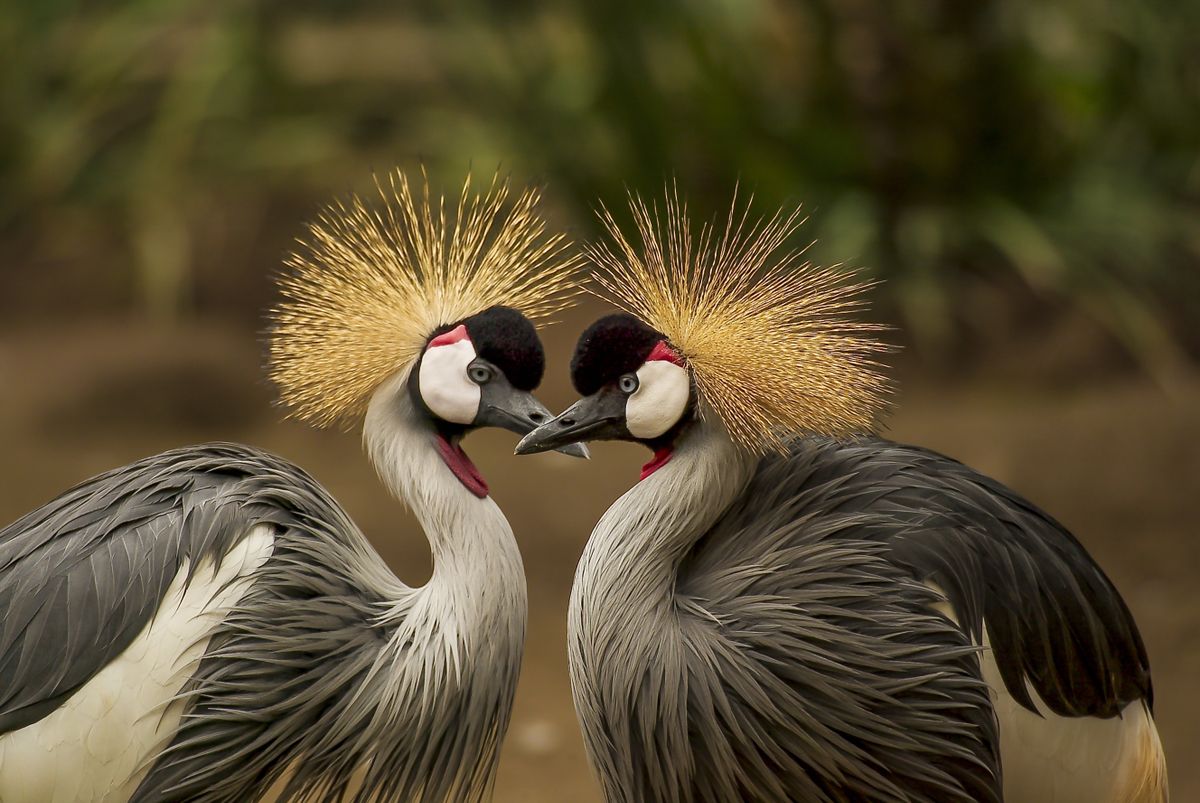
Wildlife photography has an aspirational gear image — the $10,000+ telephoto lens, the professional mirrorless body — that makes it look inaccessible to casual enthusiasts. Here is the honest guide to what's achievable on realistic budgets and what actually makes the difference between good and mediocre wildlife images.
What Gear Actually Matters
For bird and wildlife photography, the lens focal length matters more than the camera body — a longer lens (400mm+) on a mid-range camera body produces better wildlife images than a shorter lens on an expensive body. The affordable entry points that work: the Canon 100-400mm f/4.5-5.6L or Nikon 200-500mm f/5.6 are both excellent wildlife lenses in the $1,000-1,500 range (used, significantly less) that outperform the "kit lens" experience dramatically. The Sony 200-600mm provides similar capability in Sony's ecosystem.
The super-telephoto prime lenses ($5,000-15,000) used by professional wildlife photographers provide real advantages (wider maximum aperture for low light, faster autofocus, better image stabilization) that become meaningful at professional demands. For hobby wildlife photography, the consumer telephoto zoom lenses produce excellent results for significantly less money. The law of diminishing returns applies steeply in wildlife photography gear above the mid-range zoom level.
What Actually Makes Images Better: The Non-Gear Factors
The quality difference between mediocre and excellent wildlife photographs is more often the result of behavior knowledge, patience, and positioning than of gear. The wildlife photographer who understands animal behavior — what conditions produce specific behaviors, when and where animals are most active, how to approach without triggering flight behavior — produces better images with entry-level gear than the photographer with professional equipment who doesn't know the animals.
Light quality is the single most transformative variable in outdoor photography: the golden hour (first and last hour of daylight) produces dramatically different image quality than midday light, because the angle and color temperature of low-angle sun is more flattering than the harsh overhead light that produces flat, high-contrast images with deep shadows. Planning shoots around light quality rather than convenience of timing produces immediate, dramatic improvement in image quality regardless of gear.
My honest take: A used 400-500mm telephoto lens ($400-800) is the meaningful gear upgrade for wildlife photography. Learn animal behavior for your target species — it matters more than gear. Shoot during golden hour. These three things improve results more than any camera body upgrade.
The American Veterinary Medical Association reports that preventive care produces substantially better health outcomes and lower lifetime costs than reactive treatment — with annual wellness exams detecting conditions that, when caught early, are dramatically less expensive and less traumatic to address.
When to See a Veterinarian
Online pet health information cannot substitute for veterinary examination. Pets cannot describe their symptoms accurately, and conditions that appear mild can deteriorate rapidly. The threshold for veterinary consultation should be lower than most pet owners set it: an unnecessary vet visit costs far less than delayed treatment for something serious. When in doubt, consult — the cost of professional assessment is almost always lower than the cost of waiting.

Natalie Reed is a veterinary technician, animal behaviorist, and pet care writer who covers dogs, cats, and animal welfare with professional expertise and genuine love for animals. With 10 years of clinical experience an...
![Aquarium [2026]: 7 Mistakes That Kill Fish in the First Month](/img/posts/fix-urban-wildlife-coexistence-2026-6c003066.jpg)
![Backyard Wildlife [2026]: 7 Ways to Attract Birds and Beneficial An...](/img/posts/fix-backyard-wildlife-guide-honest-2026-8da06aac.jpg)