10 Extraordinary Animal Facts That Will Change How You See the Na [...
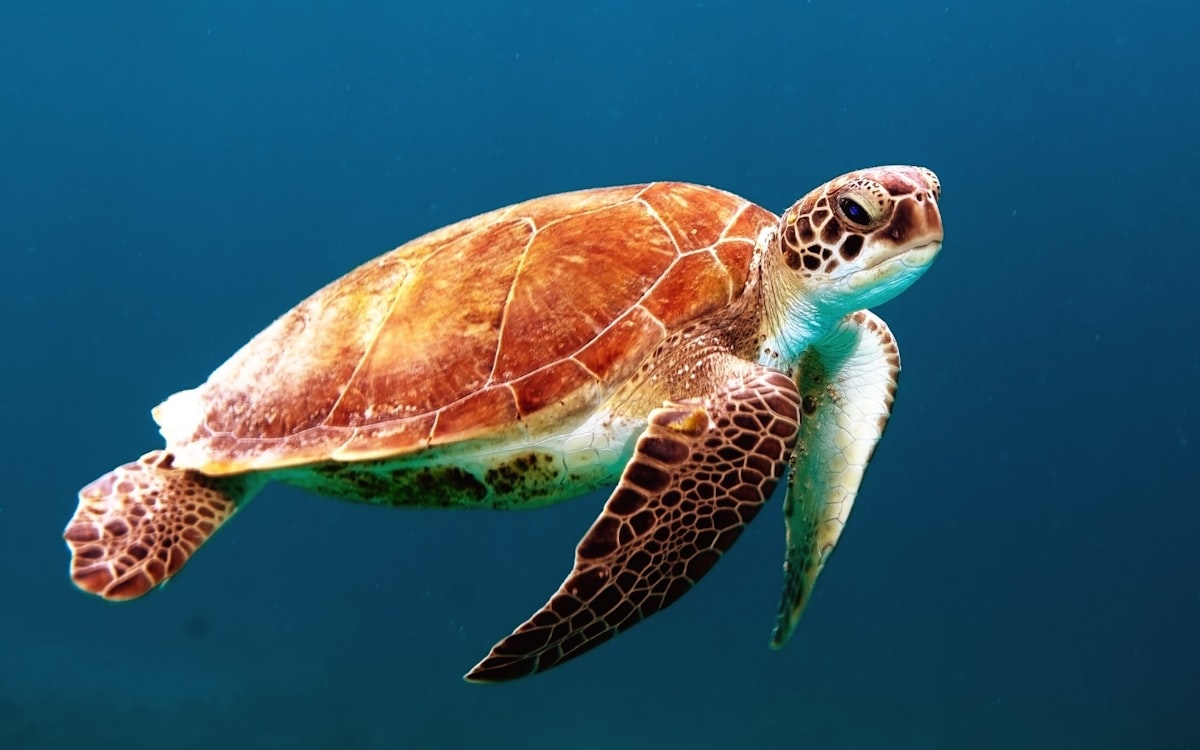
Every year, animal behavior research reveals something that challenges our assumptions about animal cognition, communication, and experience. Here are ten findings from recent years that have genuinely shifted scientific understanding — and that should change how you think about the creatures we share the planet with.
1. Octopuses Have Individual Personalities
Research published in 2024 definitively established that individual octopuses have distinct, consistent personalities — some are bold explorers, others cautious; some are aggressive, others docile. This is remarkable in an animal with a radically different evolutionary lineage from vertebrates, suggesting that personality as a trait may be a fundamental feature of complex nervous systems rather than a uniquely vertebrate characteristic.
2. Elephants Address Each Other by Name
A 2024 study in Nature Ecology & Evolution found that African elephants call to each other using specific sounds that function as individual names — and that elephants respond specifically when their name-sound is played, but not when sounds directed at other elephants are played. Elephants are only the second non-human species (after dolphins) confirmed to use arbitrary sounds as names.
3. Crows Can Plan for the Future
Multiple studies have shown that corvids (crows, ravens, jays) demonstrate future planning — selecting and storing tools they'll need hours later for tasks that require them. This requires mental time travel (imagining a future state) previously thought to be uniquely human. — or at least that's been my experience. Your mileage may vary.
4. Trees Communicate Through Fungal Networks
The "wood wide web" concept — that trees communicate and share resources through mycorrhizal fungal networks in the soil — is now well-established. Trees under insect attack have been shown to release chemicals through these networks that trigger defensive responses in neighboring trees. Parent trees preferentially direct carbon to their offspring through these networks.
5. Fish Feel Pain (and We've Been Wrong About This)
For decades, it was scientific consensus that fish lacked the neurological structures necessary for pain experience. That consensus has shifted dramatically. Multiple studies now show that fish display all the behavioral responses associated with pain in mammals — avoidance learning, protective behaviors, and physiological stress responses — and that they possess nociceptors (pain receptors) in significant density.
6-10: More Extraordinary Animal Science
- Bees teach each other by demonstration — a form of cultural transmission previously thought to require a large brain.
- Dogs synchronize their heartbeats with humans they trust — the physiological basis of the human-dog bond.
- Dolphins have menopause — one of only five species known to exhibit post-reproductive longevity.
- Mantis shrimp can see 16 types of color receptors — compared to humans' three.
- Ants collectively solve optimization problems that require algorithms to solve computationally.
What I actually think: The bond you build is worth every inconvenience. Any pet owner will back me up on this.
When to See a Veterinarian
Online pet health information cannot substitute for veterinary examination. Pets cannot describe their symptoms accurately, and conditions that appear mild can deteriorate rapidly. The threshold for veterinary consultation should be lower than most pet owners set it: an unnecessary vet visit costs far less than delayed treatment for something serious. When in doubt, consult — the cost of professional assessment is almost always lower than the cost of waiting.

Natalie Reed is a veterinary technician, animal behaviorist, and pet care writer who covers dogs, cats, and animal welfare with professional expertise and genuine love for animals. With 10 years of clinical experience an...

![Aquarium [2026]: 7 Mistakes That Kill Fish in the First Month](/img/posts/fix-urban-wildlife-coexistence-2026-6c003066.jpg)
![Backyard Wildlife [2026]: 7 Ways to Attract Birds and Beneficial An...](/img/posts/fix-backyard-wildlife-guide-honest-2026-8da06aac.jpg)