Understanding Cat Behavior in 2026: What Your Cat Is Actually Communicating
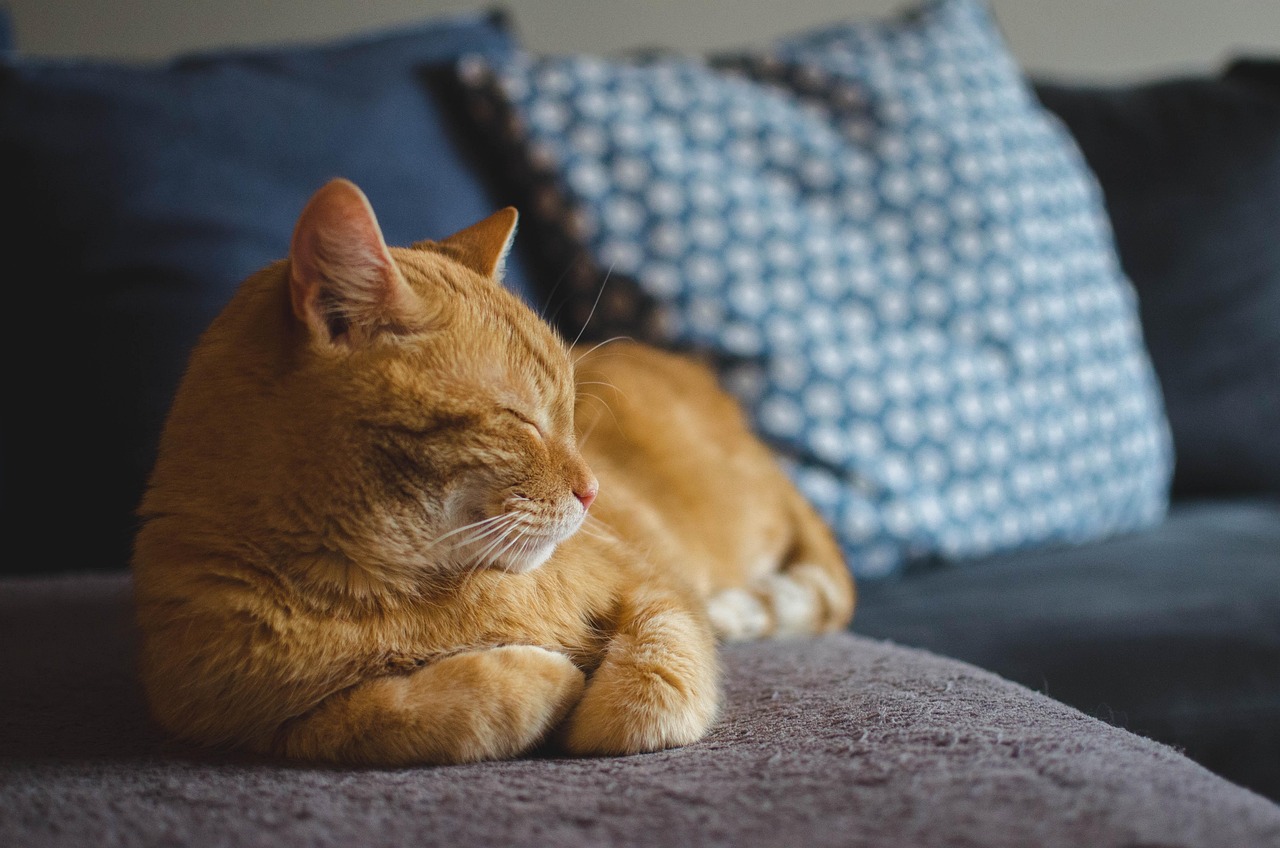
The aloof cat narrative — that cats are solitary, independent, and indifferent to their owners — is one of the most persistent misconceptions in pet keeping. Research on domestic cat behavior over the past two decades has substantially revised our understanding of what cats actually want, how they communicate, and what their behavioral signals mean. Here is the honest guide to understanding your cat.
What Cats Actually Want From Humans
The research portrait of domestic cat social behavior is more nuanced than either the independent loner narrative or the dog-like loyalty narrative that cat owners sometimes project. Cats do form genuine attachment bonds with their owners that show similar features to secure attachment in other species — a 2019 study using attachment protocols found that the majority of cats exhibited secure attachment to their owners, preferring their owner's presence and using them as a secure base to explore from when in an unfamiliar environment. But the way cats express attachment and seek interaction is different from dogs. Where dogs typically initiate interaction strongly and frequently, cats typically prefer interactions that occur on their schedule and often last shorter durations. The owner who sits quietly and allows the cat to initiate contact typically gets more interaction than the owner who frequently picks up and holds the cat regardless of the cat's signals. Understanding that cat affiliation is real but expressed differently prevents misreading cat-appropriate interaction preferences as indifference.
Body Language: What Cats Are Actually Saying
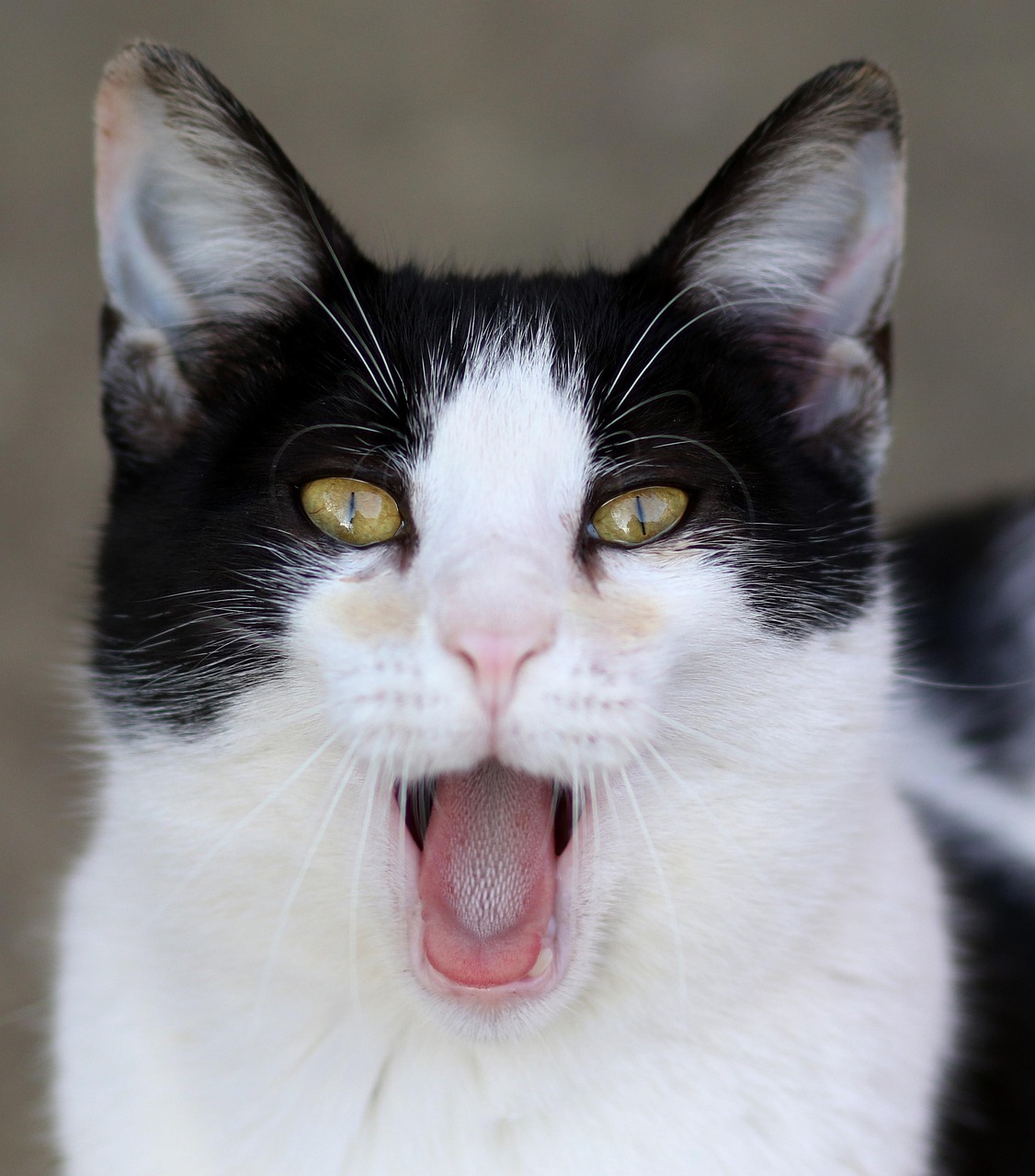
The slow blink is one of the most significant and misunderstood cat communication signals. A slow blink directed at you by a relaxed cat is a trust signal — it has been called a cat kiss, and research has confirmed that cats are more likely to slow blink at humans who slow blink at them, and that this exchange increases approach behavior. Returning a slow blink to a cat is a genuine communication. Tail position communicates mood clearly: tail raised vertically, often with a slight curl at the tip, is a confident, friendly approach signal — the feline equivalent of a friendly wave. Tail puffed up (piloerection) indicates fear or aggression and signals a cat that needs space. Tail tucked down or between legs signals anxiety or submission. Whiskers forward indicates interest and engagement; whiskers flattened against the face indicates fear or aggression. Ears are one of the most expressive features: ears forward indicates alertness and positive engagement; ears rotated slightly sideways or backward indicates mild irritation; ears flat against the head indicates fear or defensive aggression.
Common Behaviors Honestly Explained
Kneading (the rhythmic pushing with alternating front paws) is a retained kittenhood behavior — kittens knead their mother to stimulate milk flow. Adult cats kneading on owners or soft surfaces indicates comfort, contentment, and security. Bringing prey items (or toys) to owners is typically a social behavior — sharing food is a social bonding behavior in cats, and cats that bring objects to owners are including them in their social group. The appropriate response is to accept the gift graciously rather than reacting with disgust. Headbutting and rubbing against you (bunting) is scent marking combined with affiliation — cats are depositing their scent on you while simultaneously engaging in contact that they find pleasant. It is an unambiguous affiliation signal.
Honest Bottom Line: Cats form genuine secure attachment bonds with owners — the aloof cat narrative does not reflect the research. Cat attachment is expressed differently than dog attachment: interactions on the cat's schedule produce more total engagement than owner-initiated forced contact. Key body language: slow blink is a trust signal (return it), tail raised vertically is friendly approach, tail puffed is fear or threat (give space), ears forward is engagement, ears flat is fear or aggression. Common behaviors: kneading indicates contentment (retained kittenhood comfort behavior), bringing items is gift-giving (social inclusion), and bunting (headbutting) is scent marking combined with affiliation.

Natalie Reed is a veterinary technician, animal behaviorist, and pet care writer who covers dogs, cats, and animal welfare with professional expertise and genuine love for animals. With 10 years of clinical experience an...
![Cat Health [2026]: The Conditions Most Likely to Affect Your Cat and How to Spot Them](/img/posts/cat-health-honest-guide-2026-aaa13409.jpg)
![Indoor Cat Enrichment [2026]: 9 Ideas That Actually Keep Cats Happy](/img/posts/unique-696-22ff2c3b.jpg)
![Understanding Cat Behavior — What Owners Need to Know [2026]](/img/posts/1526336024174-e58f5cdd8e13.jpg)