Indoor Cats in 2026: The Honest Guide to Keeping Cats Happy Inside
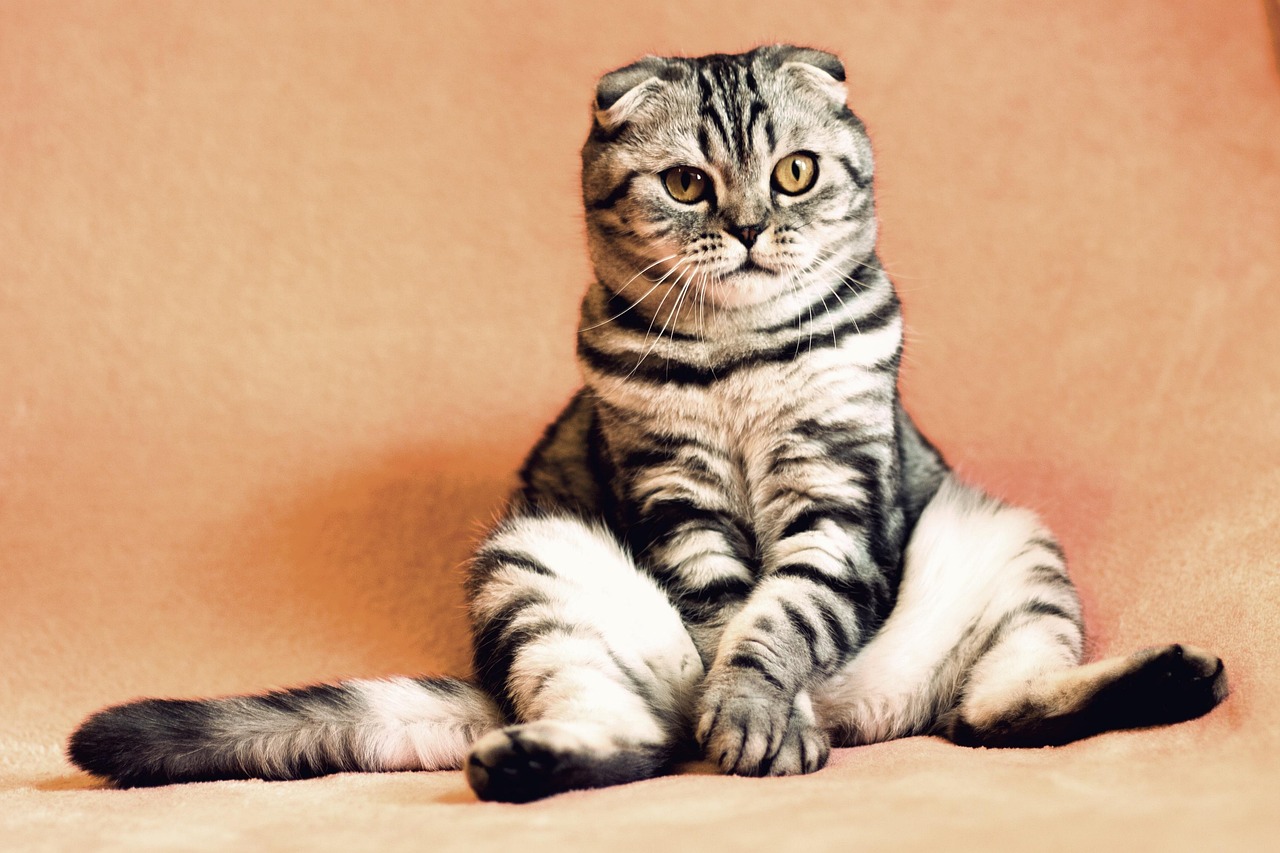
Indoor cats need enrichment. Here is the honest guide to meeting their needs without a garden.
The indoor versus outdoor cat debate is one of the most persistent in cat ownership, with strong feelings on both sides. The evidence is clearer than the debate suggests: indoor cats live significantly longer on average than outdoor cats (10–15 years vs 2–7 years in many studies), primarily due to reduced exposure to vehicles, predators, disease, and poison. But indoor life also carries enrichment requirements that fully indoor cats often do not receive, producing behavioral problems that are the most common reasons cats are surrendered. Here is the honest guide to meeting indoor cats' needs.
What Indoor Cats Actually Need
Cats are obligate predators with hunting drive that does not disappear in domestic settings. Indoor cats without appropriate outlets for predatory behavior — stalking, chasing, capturing — develop behavioral problems including aggression, destructive behavior, over-grooming, and stress-related health issues. The enrichment that addresses this: interactive play (feather wands, laser pointers followed by a capturable toy) that allows the full predatory sequence (stalk, chase, catch) for at least 15–20 minutes twice daily; food puzzles and foraging feeders that make eating more cognitively engaging than food bowl eating; and window access with bird feeders outside that provide visual stimulation. These are not optional enrichments for particularly active cats — they are baseline requirements for most cats' behavioral health.
The Vertical Space That Changes Indoor Life
Cats are vertical animals — they sleep in elevated positions, seek high vantage points for observation, and express confidence through height. Indoor environments that lack vertical space force cats to share horizontal territory in ways that create stress, particularly in multi-cat households. Cat trees, shelving at varying heights (IKEA Lack shelves with appropriate covers have become a popular budget solution), and cleared space on top of refrigerators and wardrobes significantly improve the indoor environment quality. The investment in vertical space typically produces more behavioral improvement per dollar than most other cat-related purchases.

The Multi-Cat Household Reality
Cats are not inherently social animals in the way dogs are — they are solitary hunters that may or may not form social bonds with other cats depending on temperament and introduction circumstances. The assumption that a second cat will provide companionship for a lonely indoor cat sometimes produces two stressed cats rather than one happy pair. Slow introduction protocols — keeping cats separated, scent-swapping, and gradually increasing exposure over 2–4 weeks — significantly improve the likelihood of harmonious multi-cat households versus immediate introduction that produces defensive aggression that can be difficult to resolve.
Bottom Line: Indoor cats live significantly longer than outdoor cats but require enrichment that addresses predatory drive. Required enrichment: interactive play (full predatory sequence 15–20 min twice daily), food puzzles for cognitive engagement, window access with external visual stimulation. Vertical space dramatically improves indoor environment quality — elevated sleeping, observation, and confidence expression are baseline cat needs. Second cat as companion is not always successful — slow introduction (2–4 weeks) significantly improves multi-cat harmony versus immediate introduction that produces defensive aggression.