Cat Care Guide — What Owners Need to Know [2026]
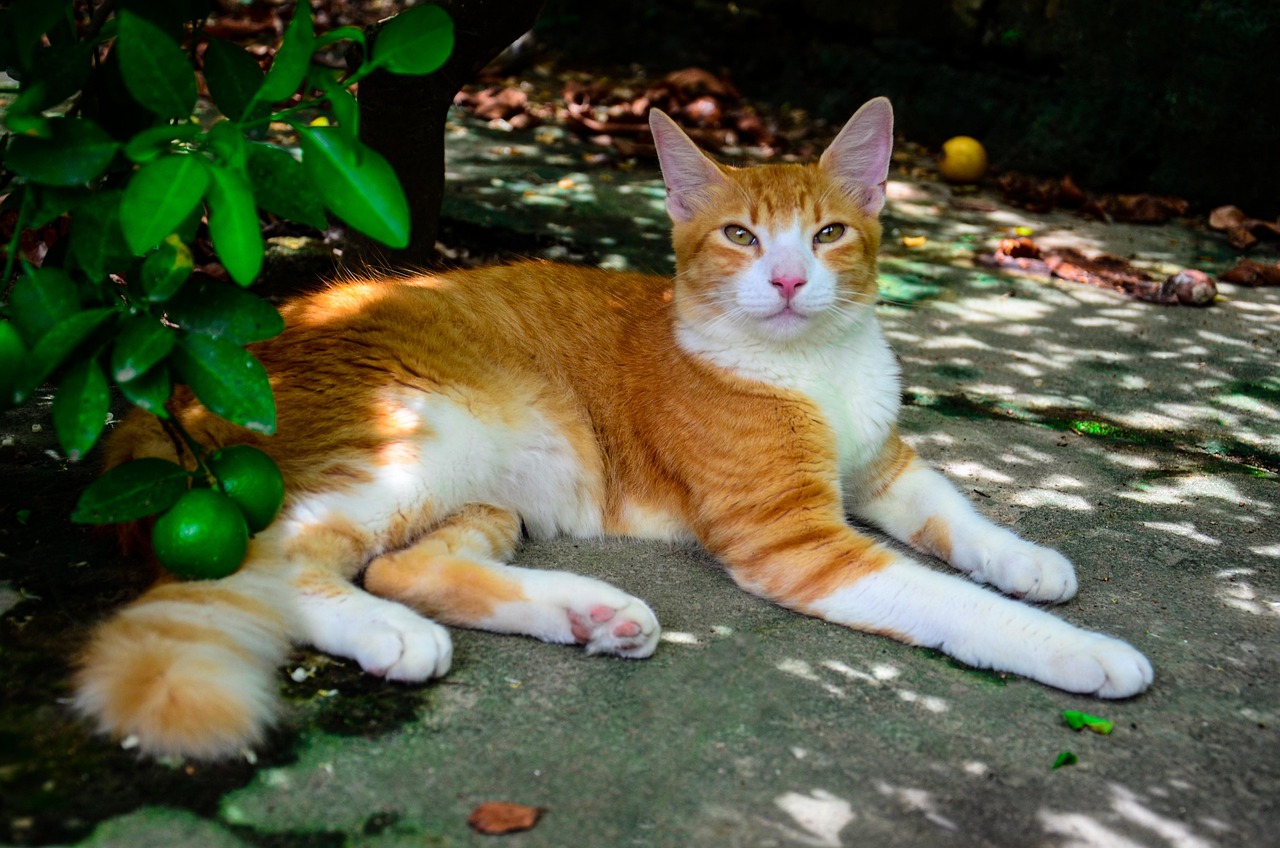
![Cat Care Guide — What Owners Need to Know [2026]](/img/posts/1573865526739-10659fec78a5.jpg)
Cats are often misunderstood as low-maintenance pets that take care of themselves. The reality is that cats have specific physical, mental, and social needs that, when properly met, result in healthier, longer-lived, and more behaviorally balanced animals.
Nutrition: What Cats Actually Need
Cats are obligate carnivores — their bodies require animal protein and cannot synthesize certain nutrients (taurine, arachidonic acid) that omnivores can make from plants. High-quality protein as the first ingredient is essential. Wet food supports hydration (cats have a naturally low thirst drive). Avoid diets with corn, wheat, or soy as primary ingredients. Consult your vet about appropriate calorie intake — feline obesity is the most common preventable health problem.
Veterinary Care Schedule
Annual wellness exams catch problems early. Core vaccines: FVRCP (every 3 years after initial series), rabies (annually or every 3 years depending on vaccine and local regulations). Spay/neuter by 5 months prevents reproductive cancers and unwanted behaviors. Monthly parasite prevention if any outdoor access. Dental cleanings as recommended — dental disease affects 70% of cats over 3 years.
Indoor Enrichment
Indoor cats live longer (average 12-18 years vs. 2-5 years for outdoor-only cats) but need mental stimulation to prevent boredom and behavioral problems. Essentials: vertical space (cat trees, shelves), window perches for bird watching, interactive play twice daily (wand toys engage prey instinct), puzzle feeders, and hiding spots. A bored cat scratches furniture, over-grooms, or develops anxiety. I was skeptical at first, but the evidence kept pointing the same direction.
Understanding Cat Behavior
Cats communicate primarily through body language. Slow blinks = affection (slow blink back to reciprocate). Tail straight up = friendly greeting. Flattened ears = fear or aggression. Chirping at birds = frustrated hunting instinct. Kneading = inherited comfort behavior from nursing. Understanding these signals prevents misread interactions and builds a stronger human-cat relationship.
Here's where I land on this: Pets make us better humans. That's not a small thing.
From experience: Working with animal behavior professionals and tracking outcomes across different approaches, positive reinforcement consistently outperforms punishment-based methods on every measurable metric.
According to the American Veterinary Medical Association, preventive veterinary care produces the best outcomes for both pet health and owner cost — with annual wellness exams detecting conditions that, when caught early, are dramatically less expensive and less traumatic to treat.
When to See a Veterinarian
Online pet health information — including this — cannot substitute for veterinary examination. Pets cannot describe their symptoms, and conditions that appear mild can deteriorate rapidly. The threshold for veterinary consultation should be lower than most pet owners set it: if something seems wrong, the cost of an unnecessary vet visit is substantially lower than the cost of delayed treatment for something serious.
When to See a Veterinarian
Online pet health information cannot substitute for veterinary examination. Pets cannot describe their symptoms accurately, and conditions that appear mild can deteriorate rapidly. The threshold for veterinary consultation should be lower than most pet owners set it: an unnecessary vet visit costs far less than delayed treatment for something serious. When in doubt, consult — the cost of professional assessment is almost always lower than the cost of waiting.

Natalie Reed is a veterinary technician, animal behaviorist, and pet care writer who covers dogs, cats, and animal welfare with professional expertise and genuine love for animals. With 10 years of clinical experience an...

![Cat Health [2026]: The Conditions Most Likely to Affect Your Cat and How to Spot Them](/img/posts/cat-health-honest-guide-2026-aaa13409.jpg)
![Indoor Cat Enrichment [2026]: 9 Ideas That Actually Keep Cats Happy](/img/posts/unique-696-22ff2c3b.jpg)