Cat Body Language in 2026: What Your Cat Is Actually Telling You
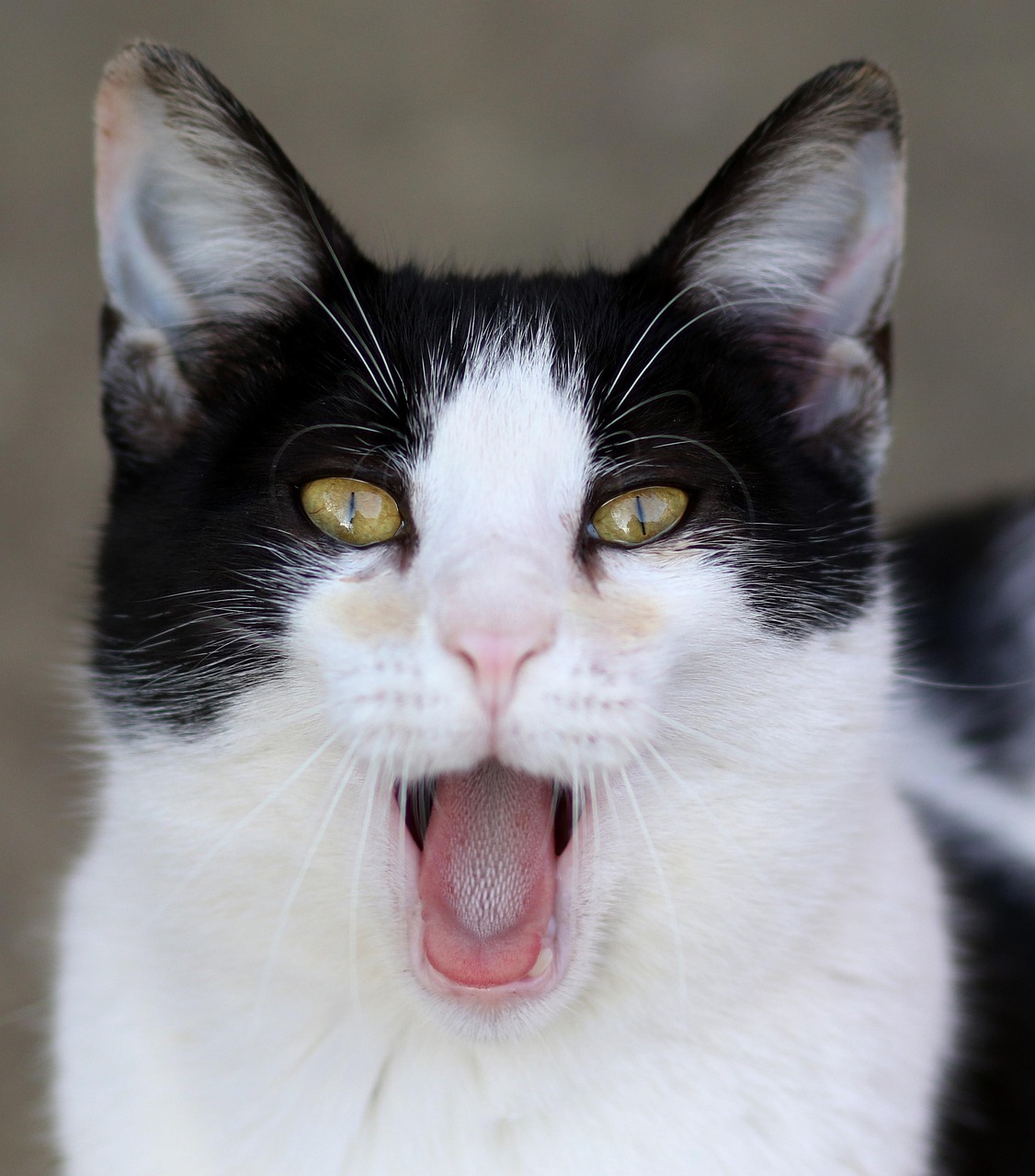
Cats have a reputation for being mysterious, but this reputation is largely unearned. Cats communicate constantly through posture, tail position, ear orientation, eye contact, and vocalization. The problem is that most people have not learned to read these signals, and some common behaviors are consistently misinterpreted.
The Slow Blink
The slow blink — a cat making deliberate eye contact and then slowly closing and opening its eyes — is an affiliative signal sometimes described as a cat kiss. Research by Paul Leyhausen established that direct, unblinking staring is a threatening signal between cats; breaking that gaze through slow blinking is a trust signal. When a cat slow blinks at you, it is communicating comfort and positive regard.
You can initiate slow blinks with cats you do not know well. Making soft, non-threatening eye contact and then blinking slowly often produces a slow blink response, indicating the cat has accepted the interaction as non-threatening. This technique works with veterinary patients, shelter cats, and shy cats that might otherwise be defensive.
Tail Position
Tail position is the most reliable real-time indicator of feline emotional state. Tail held high while walking toward you signals a confident greeting and positive social approach. Tail held low or tucked indicates fear, anxiety, or submission. Tail lashing rapidly side-to-side indicates agitation — this is commonly misread as happy tail wagging by owners familiar with dogs. A lashing tail means the cat is escalating toward a defensive response. Puffed tail (piloerection) is a fear response where the cat is making itself appear larger.
The Belly Presentation Problem
A cat rolling over and presenting its belly is one of the most consistently misread cat behaviors. People interpret it as an invitation to rub the belly, as a dog rolling over would suggest. In cats, belly presentation is a display of trust and vulnerability by exposing their most sensitive area. Many cats emphatically do not want the belly touched and will respond with biting or scratching to a belly rub they did not invite.
The appropriate response to a belly presentation is typically recognition of the trust signal without touching the belly — verbal acknowledgment, chin scratching, or simply allowing the cat to remain comfortable. Some cats do enjoy belly rubs; they typically indicate this by pushing into the initial touch rather than flinching or withdrawing. Let the cat response guide the interaction.
According to feline behavior researchers including Pam Johnson-Bennett and John Bradshaw, the belly display in cats evolved as a social signal between familiar cats in relaxed social groups, not as a solicitation for touching. The domestic context transfers the signal but not the permission.
Kneading
Kneading, the rhythmic pushing of paws against a soft surface, originates from nursing behavior. Kittens knead the mother's belly to stimulate milk flow. In adult cats, kneading occurs in states of contentment and is associated with comfort and security. A cat kneading on you is expressing deep comfort with your presence. The fact that claws are sometimes involved is not aggression — it is simply that the behavior was not modified for adult claw length.
Ear Position
Forward-facing ears indicate interest and positive engagement. Ears rotated sideways (sometimes called airplane ears) indicate anxiety or mild discomfort. Ears flattened against the head indicate fear or aggression — this cat feels threatened and may defend itself if approached. The ear position often changes faster than other body language cues, making it a useful real-time signal for calibrating interaction.
Honest Bottom Line: Tail position is the most reliable real-time emotional indicator: vertical tail means confident greeting; lashing tail means agitation; flattened ears mean fear or defensive aggression. The slow blink is an affiliative signal you can reciprocate. Belly presentation is a trust signal, not an invitation to touch. Kneading indicates deep comfort. These signals are learnable and improve human-cat interaction quality when applied consistently.

Natalie Reed is a veterinary technician, animal behaviorist, and pet care writer who covers dogs, cats, and animal welfare with professional expertise and genuine love for animals. With 10 years of clinical experience an...
![Cat Health [2026]: The Conditions Most Likely to Affect Your Cat and How to Spot Them](/img/posts/cat-health-honest-guide-2026-aaa13409.jpg)
![Indoor Cat Enrichment [2026]: 9 Ideas That Actually Keep Cats Happy](/img/posts/unique-696-22ff2c3b.jpg)
![Understanding Cat Behavior — What Owners Need to Know [2026]](/img/posts/1526336024174-e58f5cdd8e13.jpg)