Pregnancy in 2026: The Honest Guide to What First-Time Parents Should Actually Know
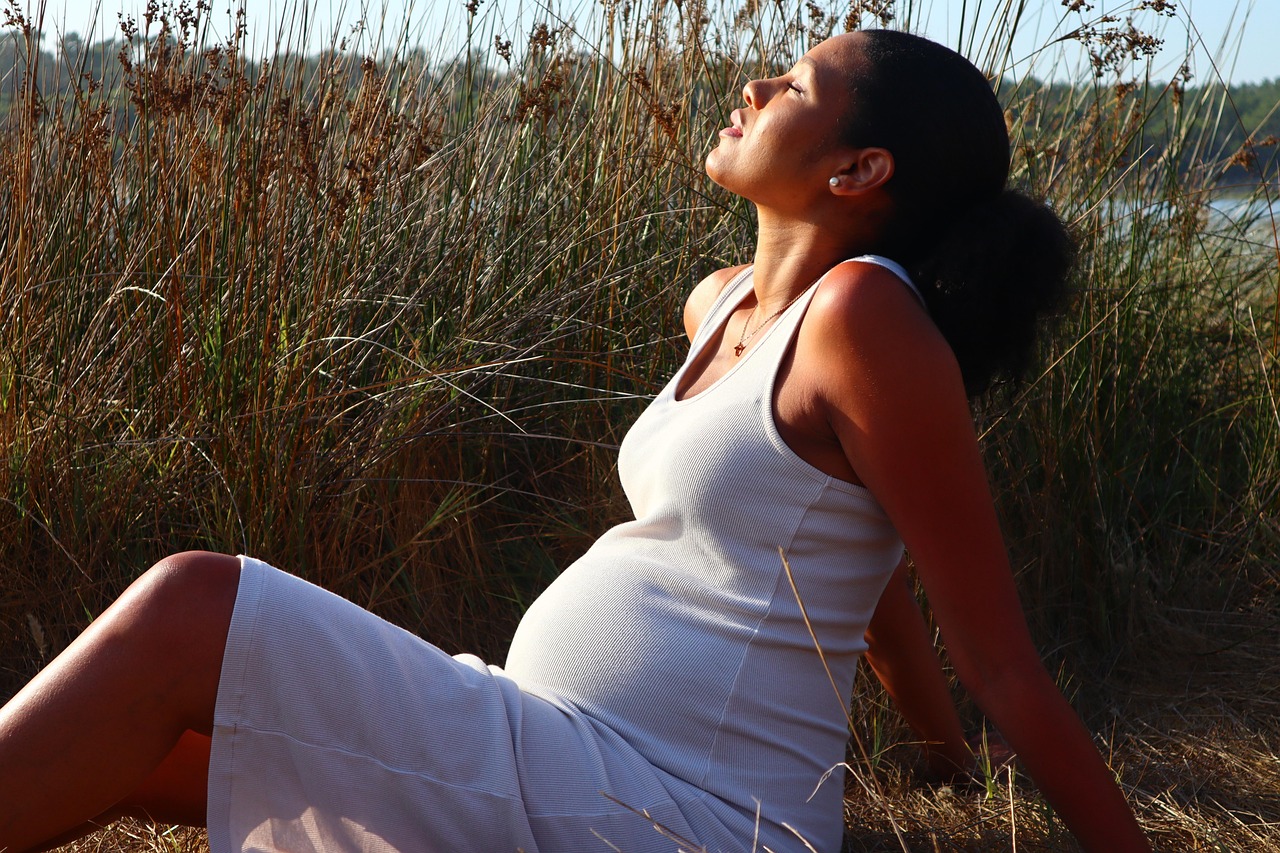
Pregnancy advice is overwhelming. Here is the honest guide to what actually matters.
Pregnancy generates an enormous amount of advice — from healthcare providers, family members, books, apps, and online communities — much of which is contradictory, some of which is anxiety-producing without evidence basis, and some of which is genuinely important. The challenge for first-time parents is distinguishing between the recommendations with strong evidence, the recommendations that are cautious but not evidence-based, and the outdated or culturally transmitted advice that has no foundation. Here is the honest guide to what actually matters.
The Recommendations With Strong Evidence
The pregnancy recommendations with the most robust evidence: folic acid supplementation before conception and through the first trimester (strong evidence for neural tube defect prevention); prenatal care beginning in the first trimester (monitoring for complications that are more manageable when identified early); avoiding alcohol (no established safe level; the evidence for fetal alcohol spectrum disorder is unambiguous); not smoking (significantly increases risk of complications including preterm birth, low birth weight, and placental problems); and taking prenatal vitamins providing iron and iodine alongside folic acid. These are not equally strong in evidence, but all represent genuinely evidenced recommendations.
The Anxiety-Generating Advice Without Strong Evidence
The recommendations that generate significant anxiety without proportionate evidence basis: the complete avoidance of caffeine (current evidence supports limiting rather than eliminating — up to 200mg/day is the mainstream guideline, equivalent to one 12oz coffee); the prohibition of all soft cheeses and deli meats (the actual risk from listeria exists but is much smaller than the anxiety generated — the risk is real and reasonable caution is appropriate, but the absolute prohibition is more precautionary than evidence-required); and the extensive list of foods classified as dangerous that varies significantly by country (reflecting cultural rather than strictly evidence-based variation).

The Emotional Reality
Pregnancy produces anxiety alongside joy for most people, and this is normal rather than pathological. Pregnancy anxiety that significantly impairs functioning, produces constant rumination, or is accompanied by depression warrants professional support — prenatal depression and anxiety are underdiagnosed and undertreated. The honest observation: most pregnancy anxiety is worst in the first trimester (highest miscarriage risk period, when the pregnancy is not yet visible and reassurance is hardest to obtain) and improves after the first anatomy scan confirms normal development.
Bottom Line: Strong evidence recommendations: folic acid (neural tube defect prevention), early prenatal care, no alcohol (no established safe level for FAS), no smoking, prenatal vitamins. Anxiety-generating without proportionate evidence: complete caffeine elimination (200mg/day is mainstream guideline), absolute soft cheese/deli meat prohibition (real but smaller risk than anxiety implies), extensive food prohibition lists (culturally variable, not strictly evidence-based). Pregnancy anxiety is normal and typically worst in the first trimester; significant impairment warrants professional support — prenatal depression and anxiety are underdiagnosed.