Parenting Differently in 2026: Why One Approach Doesn't Work for All Your Kids
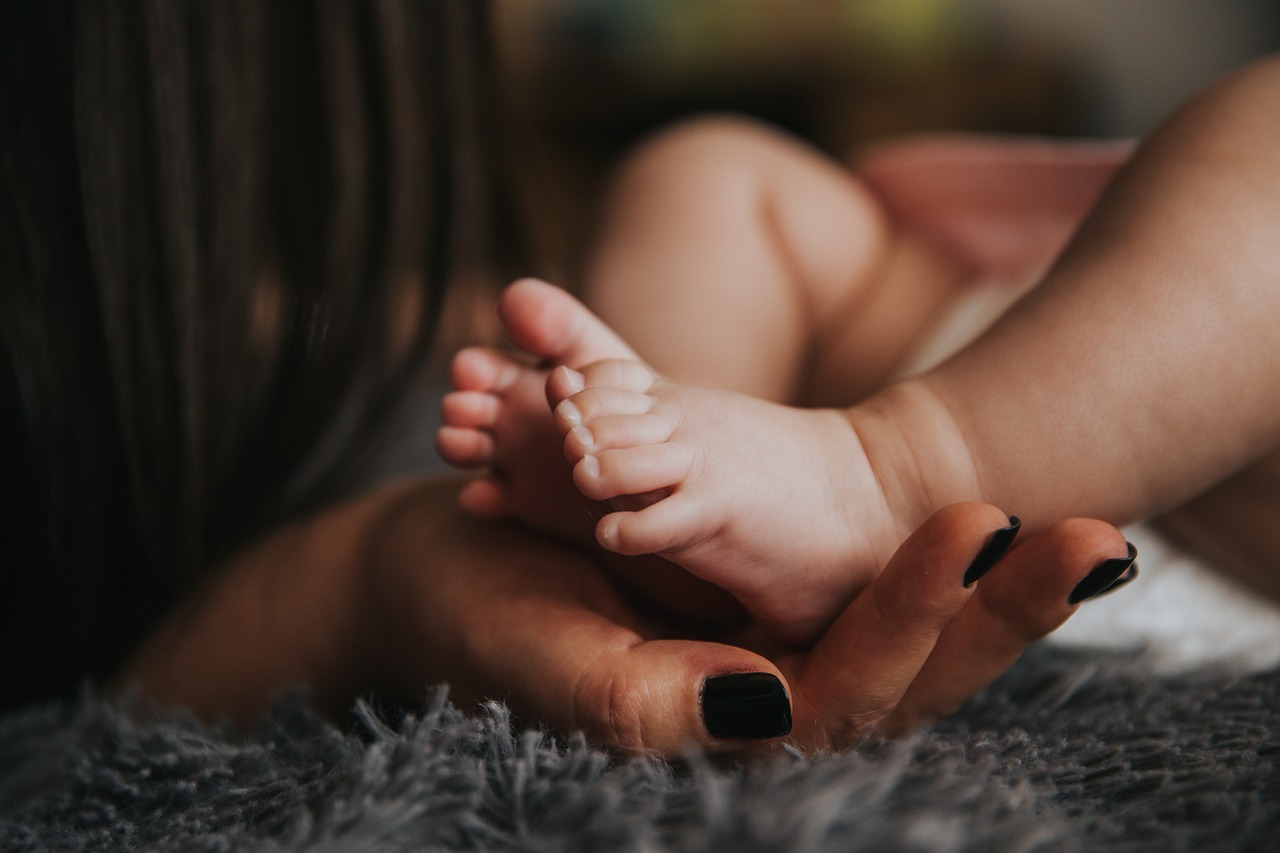
Parents of more than one child encounter the experience consistently: the approach that worked with one child doesn't work with another, despite similar upbringing, similar values, and genuinely similar parenting. The research on why this happens — and what to do about it — has produced some of the more counterintuitive findings in developmental psychology.
Why Siblings Are So Different
Behavioral genetics research has established that siblings raised in the same family share on average 50% of their genetic variation but are nearly as different from each other on most personality traits as randomly selected people from the general population. The "shared environment" — the same parents, same home, same neighborhood, same socioeconomic circumstances — explains surprisingly little of the variation in personality and psychological outcomes between siblings.
What matters more than the shared environment is the "nonshared environment" — experiences that are unique to each child. Birth order effects (oldest children experience a different family dynamic than youngest children), peer groups, differential treatment by parents and teachers, random experiences — all of these create meaningfully different developmental environments even within the same family.
The genetic component explains why siblings can be genuinely different in temperament from birth. Traits like introversion/extroversion, emotional reactivity, sensation-seeking, and conscientiousness have substantial genetic components. Two children from the same family can have genuinely different baseline temperaments that make identical parenting approaches differentially effective.
What Differential Parenting Research Shows
Research on differential parenting — parents treating siblings differently — has produced a somewhat uncomfortable finding: differential treatment is not inherently harmful and in some cases is developmentally appropriate. A parent who gives an anxious child more reassurance and an adventurous child more independence is responding appropriately to different needs, not creating inequity.
The distinction that matters is between need-based differential treatment (responding differently because the children have genuinely different needs) and favoritism (treating one child better because of preference). Children distinguish between these with surprising accuracy. A child who perceives that their sibling receives more warmth or less criticism than they do for equivalent behavior responds very differently than a child who perceives that their sibling gets more independence because they've earned it through demonstrated responsibility.
Temperament-Informed Parenting
The most practically useful framework for parenting differently is understanding each child's temperament and adjusting accordingly. The New York Longitudinal Study's nine dimensions of temperament (activity level, rhythmicity, approach/withdrawal, adaptability, intensity, mood, persistence, distractibility, sensory threshold) provide a vocabulary for understanding why some children are easier in some contexts than others.
High-intensity, high-persistence children respond differently to discipline approaches than low-intensity, high-adaptability children. What reads as defiance in a high-intensity child may be the same behavior as what reads as curiosity in a high-persistence child — the same parenting response to both may be counterproductive for one of them.
Avoiding the Fairness Trap
A common parenting response to differential needs is to enforce identical treatment in the name of fairness — same bedtime, same rules, same consequences. This feels equitable but isn't, because children with different temperaments, developmental stages, and needs benefit from different approaches.
Explaining the reasoning behind differential treatment to children who are old enough to understand it — "you have different bedtimes because you need different amounts of sleep" — addresses the fairness concern more effectively than identical treatment does. Children who understand the reasoning are more likely to accept differential treatment as fair rather than as favoritism.
Honest Bottom Line: Siblings are nearly as different in personality as random people partly because genetic variation and nonshared environment (birth order, peer groups, random experiences) matter more than shared family environment. Differential parenting based on genuine developmental needs is appropriate; children distinguish between need-based treatment differences and favoritism accurately. Identical treatment in the name of fairness can be actively counterproductive when children have genuinely different temperaments and needs. Explaining differential treatment reasoning to children who are old enough reduces fairness concerns more effectively than identical treatment does.

Hannah Wright is a parenting writer, developmental psychology researcher, and mother of three who covers child development, family dynamics, and parenting approaches with evidence-based honesty. She is committed to provi...
![Screen Time for Kids [2026]: What the Research Shows Beyond the Moral Panic](/img/posts/screen-time-kids-honest-2026-1d44ce2f.jpg)
![Family Screen Time Rules [2026]: What Research Shows Works](/img/posts/family-screen-time-rules-honest-2026-571ea4b6.jpg)
![Raising Financially Literate Kids [2026]](/img/posts/1591035897819-f4bdf739f446.jpg)
![Scuba Diving [2026]: 7 Things to Know Before Open Water Certification](/img/posts/1502086223501-7ea6ecd79368.jpg)