Surfing Progression [2026]: How Long Does It Actually Take to Get G...
![Surfing Progression [2026]: How Long Does It Actually Take to Get G...](/img/posts/fix-surfing-progression-honest-guide-20-27b70a7c.jpg)
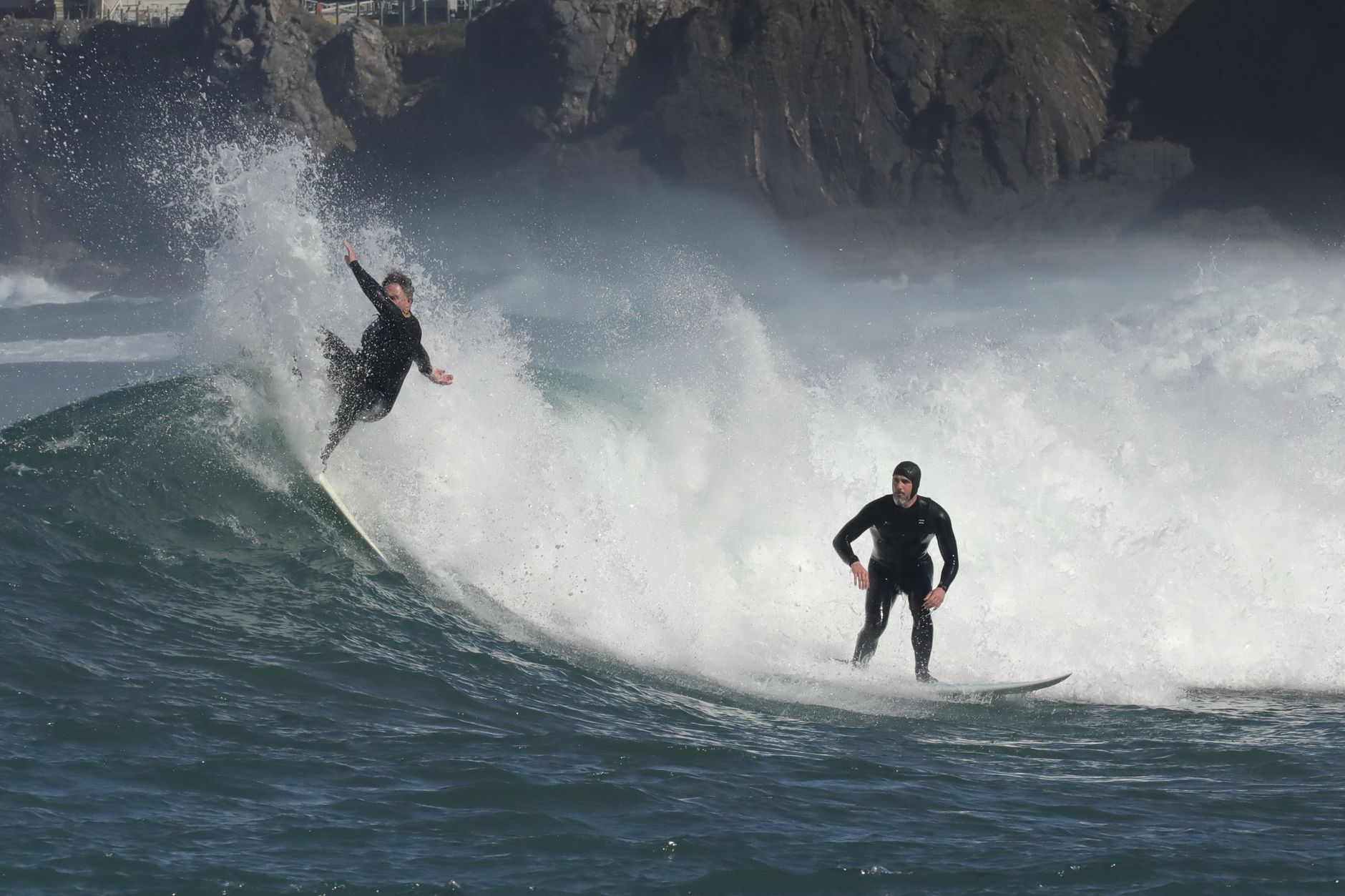
Surfing has a specific and well-documented beginner problem: a large proportion of people who take up the sport get a taste of it through a lesson or a few sessions, enjoy the experience, but plateau at the "catching whitewater on a longboard" stage and never progress to independently reading and catching unbroken waves. The progression gap between beginner and intermediate is real and specific. Here is the honest guide to why it exists and what closes it.
Why the Plateau Happens
Beginner surf lessons teach the mechanics of surfing in controlled conditions — instructors push you into waves, the waves are whitewater (already broken), and the board is a large foam board that maximizes stability and forgiveness. These conditions produce the experience of surfing without developing the skills that actual independent surfing requires: ocean reading (understanding how waves form, where to be in the lineup, which waves to attempt), paddling power and positioning, and wave selection. When the instructor's pushes are removed, new surfers discover they can't consistently catch waves independently, and many interpret this as a personal limitation rather than a specific skill they haven't developed.
The skills for independent surfing: paddling fitness (the paddling required to get through breaking waves and position in the lineup is aerobically demanding in ways that a single lesson doesn't reveal), wave reading (understanding what a wave will do from its shape as it approaches), and takeoff timing (the moment of commitment from paddling to popping up is more precise than it appears from the beach). Each of these develops with specific, repeated practice rather than general ocean time.
What Actually Builds the Skills
Consistent surfing in smaller, easier conditions is more valuable than infrequent sessions in more challenging surf. Surfing 30 times in small, clean conditions develops ocean reading and wave timing that 5 sessions in overhead surf doesn't — the volume of attempts per session in manageable conditions produces more learning repetitions than struggling in conditions beyond current ability. The competitive surfer's principle of "surf waves slightly below your maximum challenge level 80% of the time" produces faster skill development than always chasing the biggest available waves.
Longboards (9+ feet) develop wave reading and paddling skills that shortboards don't, because their wave-catching ability reduces the strength requirement and allows more focus on positioning and timing. The progression from longboard to shortboard is a genuine progression path rather than the "longboards are for beginners" dismissal that some surf culture applies. Many skilled adult surfers longboard exclusively because it's a genuinely enjoyable discipline rather than a stepping stone.
My honest take: Surf small, clean waves frequently rather than big challenging surf occasionally. The plateau after lessons is a specific skills gap, not a personal limitation. Develop paddling fitness separately — it's more limiting than most beginners realize. A longboard is a legitimate tool throughout your surfing life, not just a beginner board.
The Outdoor Industry Association's 2024 participation report found that outdoor recreation participation has increased consistently since 2020, with first-time participants citing mental health benefits as frequently as physical fitness as their primary motivation.

Tom Williams is an outdoor enthusiast, certified wilderness first responder, and automotive journalist who has hiked, climbed, and driven across 40 US states and 15 countries. He covers outdoor adventures, automotive top...
![Learning to Surf [2026]: The Honest Timeline and What Makes It So Hard](/img/posts/surfing-beginner-honest-guide-2026-5d38fef2.jpg)
![Surfboard Guide for Beginners: Which Board to Buy First [2026]](/img/posts/fix-surfboard-guide-honest-2026-1864b4f4.jpg)
![Learning to Surf in [2026]: The Honest Reality vs the Romantic Version](/img/posts/fix-learning-to-surf-honest-guide-2026-758bbc17.jpg)