Surfing for Beginners [2026]: What to Expect in Your First 3 Months
![Surfing for Beginners [2026]: What to Expect in Your First 3 Months](/img/posts/1455264745730-cb3b76250ae8.jpg)
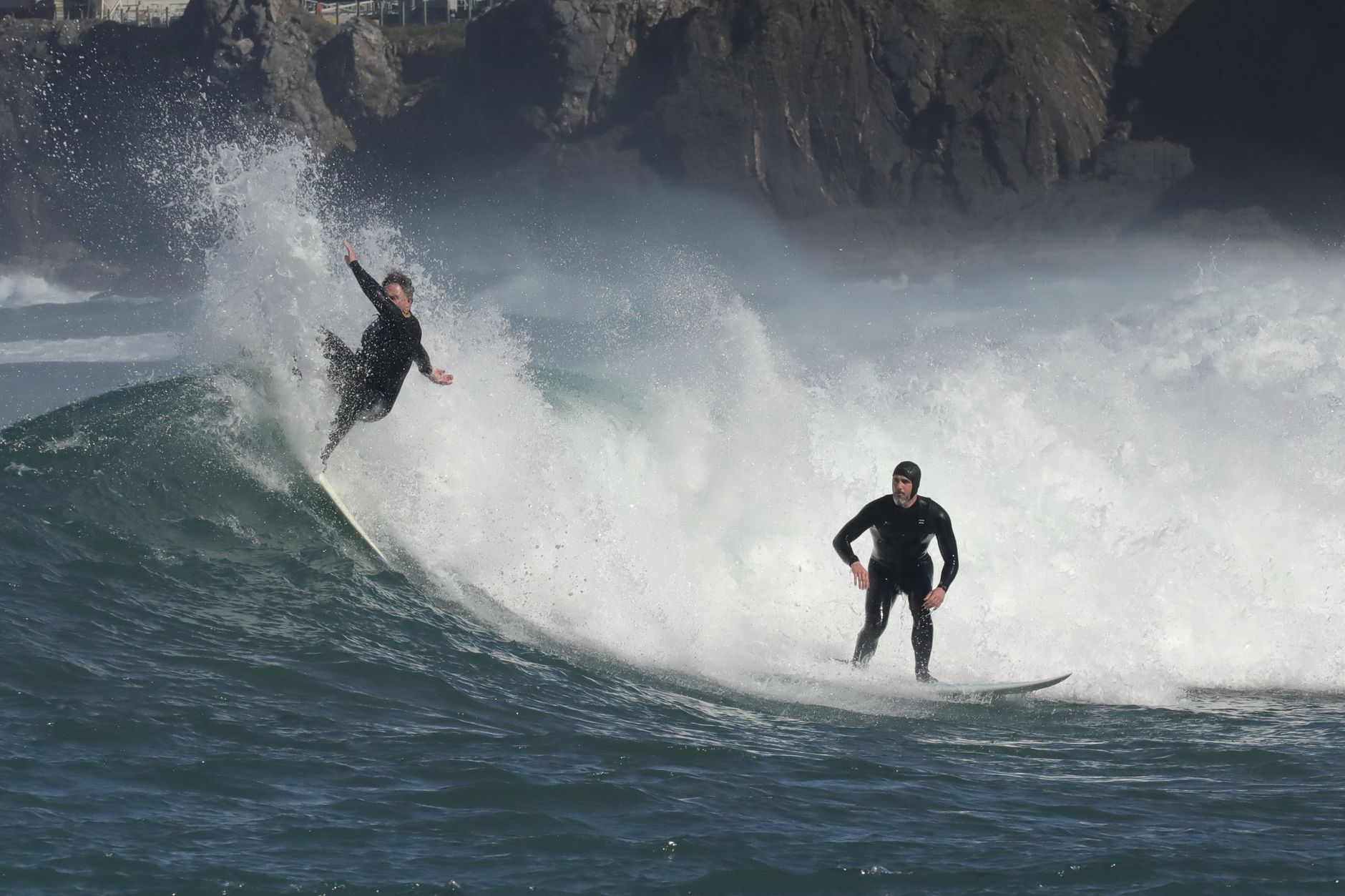
Surfing has a reputation as one of the most difficult sports to learn — and it is, compared to most. But the early stages of wave riding are accessible, and the ocean provides its own form of meditative engagement that makes the learning process enjoyable even when progress is slow.
Start with Lessons
A two-hour lesson with a qualified instructor compresses weeks of self-taught frustration. Instructors teach you to read waves, position yourself in the lineup, paddle efficiently, and pop up correctly — the foundations that determine whether early attempts succeed or fail. Many beginners develop bad habits self-teaching that take longer to unlearn than learning correctly from the start. Cost: $50-100/lesson.
Equipment for Beginners
A soft-top board (foam deck, rubber fins) is the appropriate tool for learning: wide, thick, and stable, with forgiving impact when it hits you. The 8-9 foot "fun board" is the industry standard. Avoid short boards entirely until you can consistently catch and ride waves — the goal is waves, not looking like a pro. Wetsuit thickness depends on water temperature: 3/2mm for 60-68°F water, 4/3mm below 60°F. I'll admit this surprised me when I first looked into it.
The Learning Curve
Most beginners can ride a wave in their first lesson on a soft-top at a beach break with small consistent waves. Progressing to unassisted wave catching takes weeks to months. Standing up reliably takes months to a year. Surfing with control and style in varied conditions takes years. This timeline doesn't discourage committed beginners — the progression is gradual and every milestone is rewarding.
Here's where I land on this: Get outside. Everything else can wait.
Reading Waves: The Essential Skill
Wave reading — understanding how ocean swells transform as they approach shore, where they will break, and which sections will be rideable — is the skill that separates surfers who catch waves consistently from those who don't. Waves break where the water depth becomes shallow enough to cause the swell to peak and topple forward. Sandbars, reef structures, and points create predictable breaks in consistent locations; beach breaks shift with sandbars and are less predictable. Watching the lineup for 15 minutes before entering the water reveals the patterns: where most waves break, where the channel (deeper water where waves don't break) provides safe paddling access, and where the rip currents flow.
The Pop-Up: Getting It Right
The pop-up — the movement from lying on the board to standing in one fluid motion — is the most-practiced and most-drilled movement in surfing for good reason. A slow or awkward pop-up causes you to miss the wave or fall immediately after catching it. The movement: hands placed at chest level (like a push-up), push up explosively, bring your back foot forward to the tail, then your front foot, and rise to a balanced stance in a single continuous motion. Practice this on land until it is automatic before attempting it in the water — muscle memory built on land transfers directly to the chaos of a moving wave.
The Mental Game
Surfing's learning curve has a mental dimension that physical training alone does not address. Fear of the ocean, fear of wipeouts, and the embarrassment of repeated failure in front of other surfers all create psychological resistance that limits time in the water. The practical approach: surf at less crowded breaks during off-peak hours when the audience is smaller and the lineup is less intimidating; accept that wipeouts are a feature of surfing's learning process rather than failures; and recognize that experienced surfers watching beginners see themselves from years ago, not incompetence to judge.
The Safety Realities
Outdoor activities carry genuine risks that enthusiasm and preparation reduce but cannot eliminate. Weather changes faster than forecasts predict, navigation errors happen to experienced people, and physical limitations become apparent at the worst moments. Honest risk assessment — neither fear-based avoidance nor overconfident dismissal — produces better outcomes than either extreme. The outdoors rewards preparation and humility in roughly equal measure.
Honest Bottom Line: Wave reading — understanding where waves will break before paddling out — separates consistent surfers from those who struggle. Watch the lineup for 15 minutes before entering. The pop-up must be practiced on land until automatic; slow pop-ups cause missed waves or immediate falls. The mental game matters: surf less crowded breaks during off-peak hours while learning, accept wipeouts as the mechanism of improvement, and recognize that experienced surfers watching beginners see their past selves.

Tom Williams is an outdoor enthusiast, certified wilderness first responder, and automotive journalist who has hiked, climbed, and driven across 40 US states and 15 countries. He covers outdoor adventures, automotive top...
![Learning to Surf [2026]: The Honest Timeline and What Makes It So Hard](/img/posts/surfing-beginner-honest-guide-2026-5d38fef2.jpg)
![Surfboard Guide for Beginners: Which Board to Buy First [2026]](/img/posts/fix-surfboard-guide-honest-2026-1864b4f4.jpg)
![Learning to Surf in [2026]: The Honest Reality vs the Romantic Version](/img/posts/fix-learning-to-surf-honest-guide-2026-758bbc17.jpg)