Learning to Surf [2026]: The Honest Timeline and What Makes It So Hard
![Learning to Surf [2026]: The Honest Timeline and What Makes It So Hard](/img/posts/surfing-beginner-honest-guide-2026-5d38fef2.jpg)
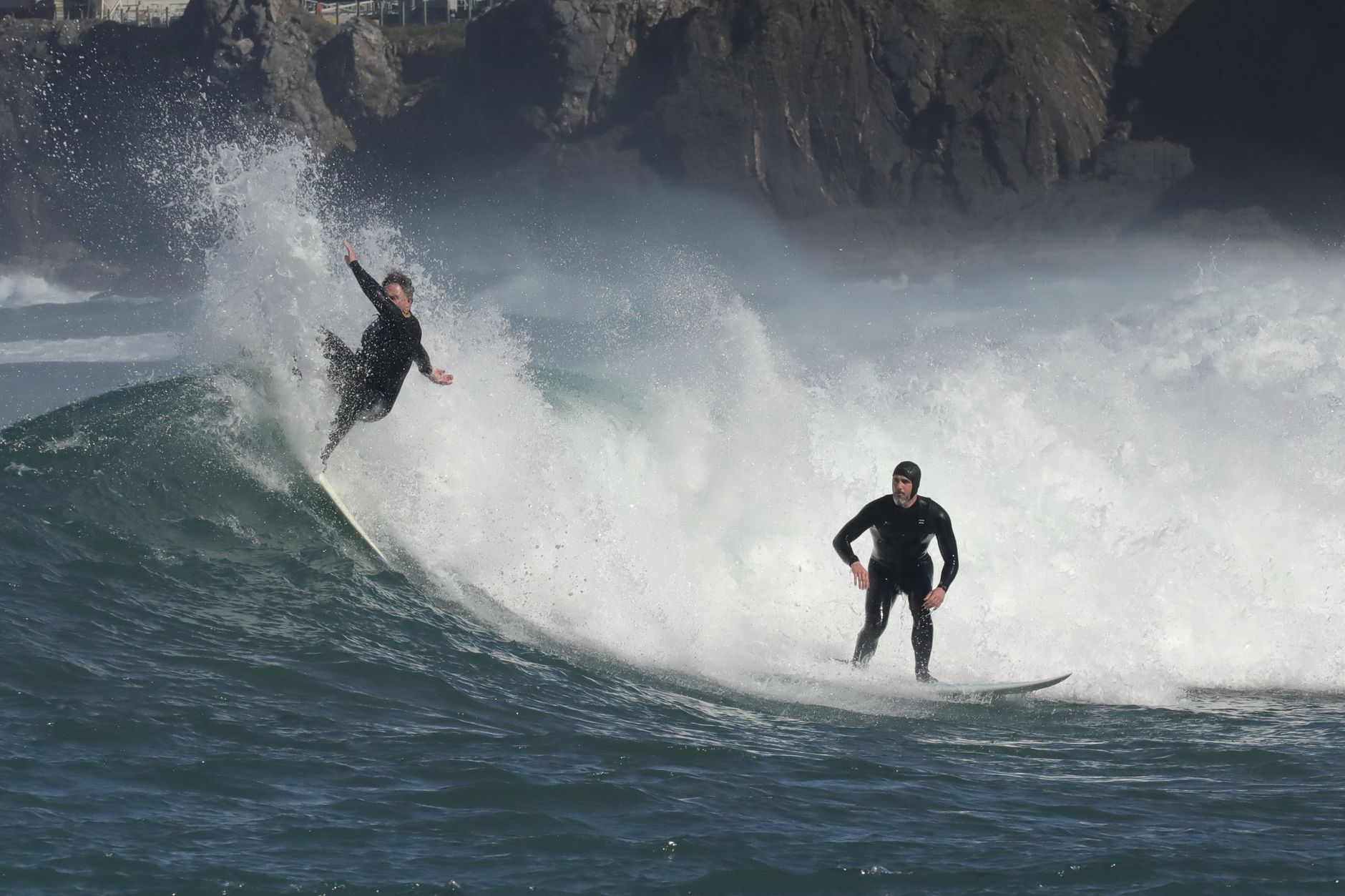
Surfing has one of the steepest learning curves of any popular recreational activity — not because the physical skills are dramatically more demanding than other sports, but because the variable, unpredictable, and uncontrollable nature of the ocean means that every session presents different conditions and that progress can't be systematically engineered the way it can in a controlled environment. Here is the honest guide to learning to surf with realistic expectations.
Why Surfing Is Harder Than It Looks
The elements that make surfing visually appealing to beginners — riding waves, carving turns, the apparent effortlessness of experienced surfers — are the products of years of practice in ways that aren't visible in the final output. The skills that surfing actually requires: ocean reading (understanding wave formation, sets, and where to position in the lineup), paddling efficiency (surfing requires more paddling than wave-riding — inexperienced surfers exhaust themselves paddling), pop-up timing and mechanics (standing up on the board at the correct moment in the wave), balance and body position in a dynamic and unpredictable environment, and understanding surf etiquette and priority rules that are genuinely important for safety in crowded lineups.
The typical progression timeline: most people can ride a wave in a straight line (whitewater/foam waves) within a few sessions. Consistently catching unbroken waves and making turns takes 6-18 months of regular surfing (at least weekly). Surfing with any competence in overhead or overhead-plus waves typically takes 3-5+ years. People who move to surf destinations and surf daily progress faster; people who surf occasionally during annual beach vacations may surf for a decade and still be beginners.
Learning Correctly From the Start
Taking lessons from a certified surf instructor is worth the cost ($60-150 for a group lesson) for the first several sessions. Instructors position you on appropriate waves, teach the pop-up mechanics before you develop incorrect habits, and provide the safety instruction (don't let the board go toward other people, how to fall safely, rip current awareness) that self-teaching skips. A soft-top longboard (a foamie) is the appropriate beginner board — wider, more stable, and more forgiving than the shortboards that most surfers aspire to eventually ride but that are genuinely inappropriate for beginners.
Honest Bottom Line: Surfing has a genuinely steep learning curve — consistent wave-catching and turning takes 6-18 months of regular (weekly) surfing, not a few sessions. The hardest skills are ocean reading, paddling efficiency, and pop-up timing, not balance. Take lessons for the first several sessions — instructors prevent bad habits and provide safety instruction that self-teaching misses. Use a soft-top longboard (foamie) while learning — wider and more stable than shortboards, appropriate for building the foundational skills. Daily surfing in a surf destination produces faster progress than occasional vacation surfing.

Tom Williams is an outdoor enthusiast, certified wilderness first responder, and automotive journalist who has hiked, climbed, and driven across 40 US states and 15 countries. He covers outdoor adventures, automotive top...
![Surfboard Guide for Beginners: Which Board to Buy First [2026]](/img/posts/fix-surfboard-guide-honest-2026-1864b4f4.jpg)
![Learning to Surf in [2026]: The Honest Reality vs the Romantic Version](/img/posts/fix-learning-to-surf-honest-guide-2026-758bbc17.jpg)
![Surf Travel in [2026]: What to Actually Expect at the Famous Breaks](/img/posts/1526080652727-5b77f74eacd2.jpg)