Surf Travel in 2026: What Nobody Tells You Before Your First Surf Trip
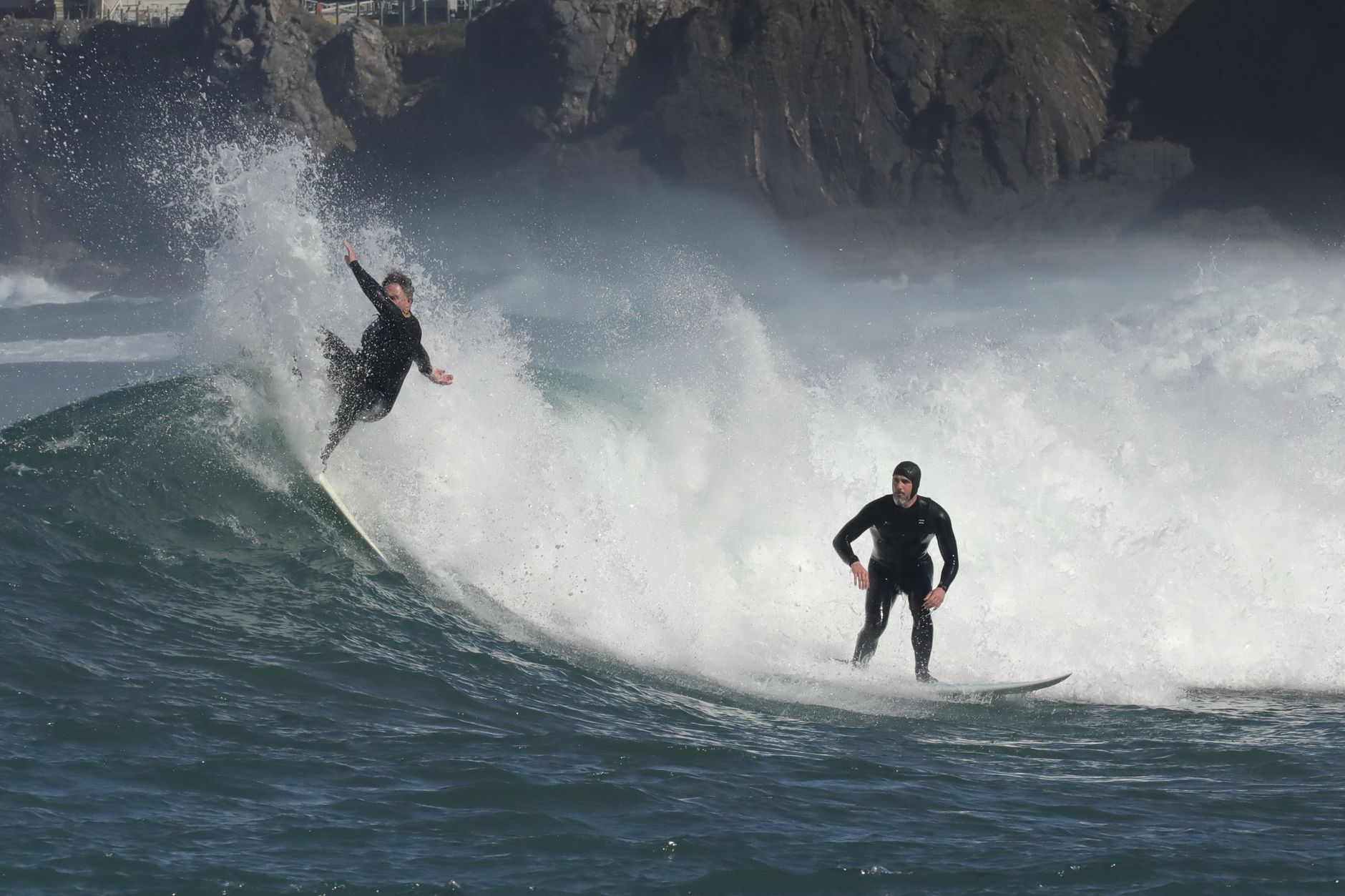
I planned my first surf trip for three months and arrived having made most of the common beginner mistakes. The waves I'd researched were too advanced for my level, the board I'd rented was the wrong type for the conditions, and I hadn't anticipated how different ocean surfing would feel from the protected beach breaks I'd learned on. Here is what would have helped.
Matching Destination to Skill Level
The first and most consequential decision is choosing waves appropriate for your actual skill level — not your aspirational skill level after a few more sessions of practice. The disconnect between what beginner surfers think they can handle and what they actually can handle explains a significant portion of surf trip frustration.
Beginner surfers (can catch whitewater, working on riding green waves): need long, gentle, consistent beach breaks with slow-peeling waves that give time to stand up and ride. Ideal locations: Nosara (Costa Rica), Tamarindo (Costa Rica), Bali's Kuta Beach, Gold Coast's Surfers Paradise, Malibu. The goal is volume of practice on catchable waves, not impressive scenery or challenging conditions.
Intermediate surfers (riding green waves consistently, working on turns): can handle more varied conditions and steeper waves but still benefit from forgiving breaks. Many popular surf destinations have separate zones for different skill levels; knowing which zone to use is more important than the destination choice.
Advanced surfers: probably don't need this guide.
The Board Rental Problem
Surf rental shops in tourist destinations often have limited inventories and will rent you whatever's available in your size range rather than what's appropriate for your skill level or the conditions. A beginner surfer on a 6'0" shortboard in overhead beach break conditions is having a miserable and potentially dangerous experience.
Communicate specifically with the rental shop: "I can catch whitewater and working on green waves, what do you recommend?" A good shop will direct you to a longboard (9'+ ) or a foam surfboard (foamie), both of which are more forgiving, more stable, and much easier to catch waves on than shortboards. Shortboards are for advanced surfers; beginners who ride them catch fewer waves and progress more slowly.
The Ocean Conditions Reality
The ocean is not a swimming pool with waves. Ocean surfing involves currents, rips, wave sets that arrive in varying frequency and size, and conditions that change with tide, wind, and swell direction in ways that aren't intuitive until you understand them. A beach that looks gentle can have a rip current that pulls swimmers sideways offshore; understanding what you're looking at requires knowledge that lessons provide better than experience alone.
Surf lessons are valuable not just for technique but for ocean safety education. A good surf lesson teaches: how to read the break, where and how to paddle out, how to avoid other surfers, what to do if caught inside (in the impact zone), and rip current awareness. This safety knowledge is the primary justification for lessons even for people who have some surfing background.
Surf Etiquette That Prevents Conflict
Surf breaks have etiquette rules that are largely unwritten but seriously enforced by local surfers. The most important: the right of way goes to the surfer closest to the breaking part of the wave (the peak). Dropping in on someone (catching a wave someone else is already riding) is the most serious etiquette violation and will generate conflict at any break worldwide.
As a beginner in a new location, sitting to the side of the main peak and catching the waves that others don't take is the appropriate approach. Paddling to the main peak and competing for waves with more experienced surfers who know the break produces frustration for everyone and typically poor results for the beginner.
Honest Bottom Line: Match destination to actual skill level — beginner surfers need gentle, long beach breaks with consistent whitewater, not impressive waves that require experience to read and handle. Communicate specifically with rental shops about your level; longboards and foamies are the correct equipment for beginners, not shortboards. Ocean conditions require knowledge that lessons provide more efficiently than experience alone. Surf etiquette (right of way at the peak, no dropping in) is seriously enforced; beginners should sit to the side of main peaks until comfortable in a new break.

Tom Williams is an outdoor enthusiast, certified wilderness first responder, and automotive journalist who has hiked, climbed, and driven across 40 US states and 15 countries. He covers outdoor adventures, automotive top...
![Learning to Surf [2026]: The Honest Timeline and What Makes It So Hard](/img/posts/surfing-beginner-honest-guide-2026-5d38fef2.jpg)
![Surfboard Guide for Beginners: Which Board to Buy First [2026]](/img/posts/fix-surfboard-guide-honest-2026-1864b4f4.jpg)
![Learning to Surf in [2026]: The Honest Reality vs the Romantic Version](/img/posts/fix-learning-to-surf-honest-guide-2026-758bbc17.jpg)
![Surf Travel in [2026]: What to Actually Expect at the Famous Breaks](/img/posts/1526080652727-5b77f74eacd2.jpg)