Learning to Surf in [2026]: The Honest Reality vs the Romantic Version
![Learning to Surf in [2026]: The Honest Reality vs the Romantic Version](/img/posts/fix-learning-to-surf-honest-guide-2026-758bbc17.jpg)
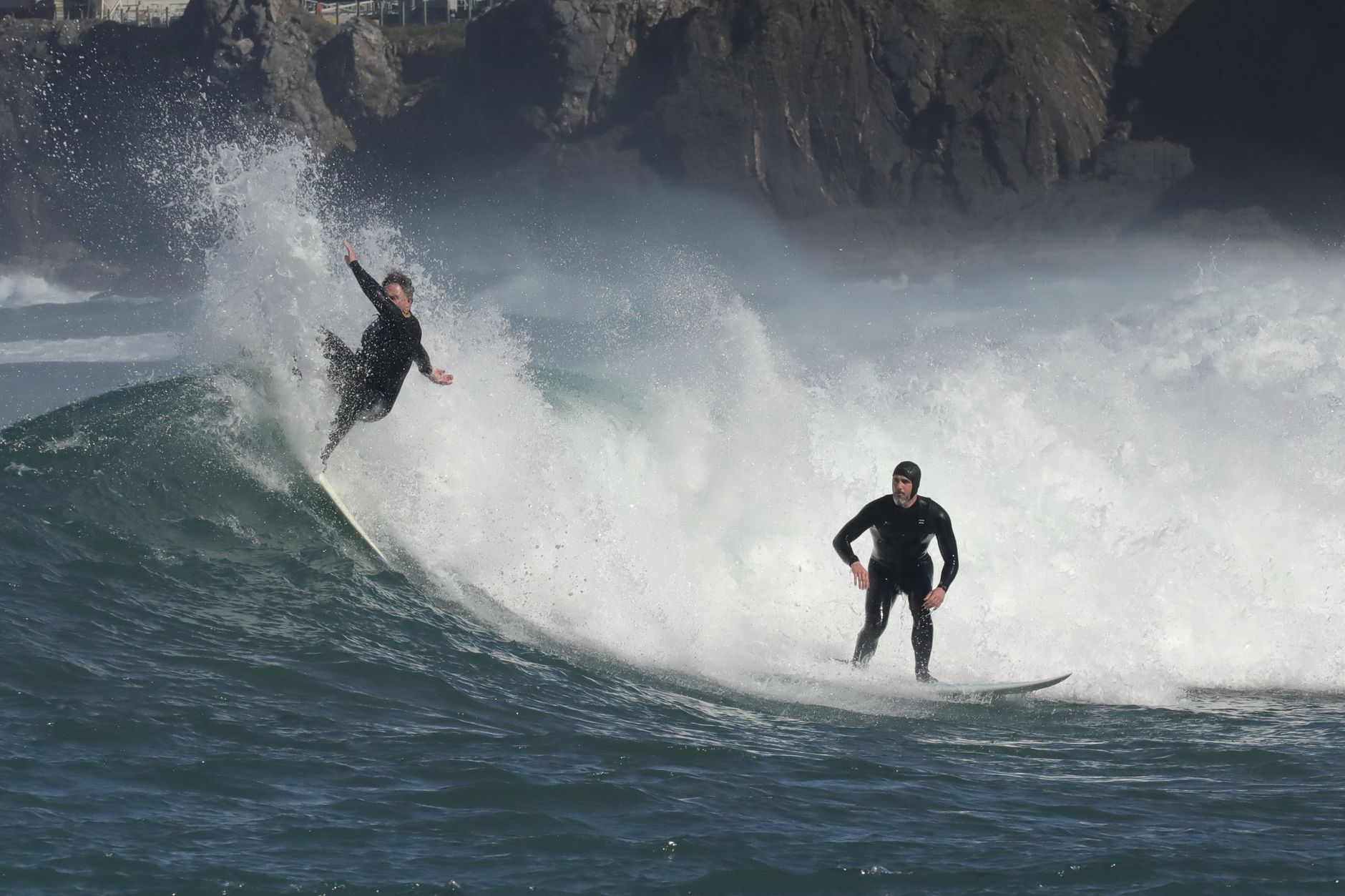
Surfing occupies a particular space in the cultural imagination — freedom, sun, connection with nature, effortless cool. The reality of learning to surf involves falling off a board repeatedly, swallowing some seawater, getting hit by waves, and spending more time paddling than actually riding anything. It's also genuinely wonderful and worth the learning curve for people drawn to it. Here is the honest version of what beginning surfers should expect.
The Learning Timeline
Learning to surf is slower than most beginners expect. Getting up on a board (a large foam beginner board) in small, clean waves typically takes 1-3 lessons for most adults. Standing up and riding a wave straight to the beach — without any turning or control — is achievable relatively quickly. Learning to actually surf — reading waves, paddling into position, catching waves consistently, and making turns — takes 1-3 years of regular practice. Most people who "learned to surf" on a week's vacation are actually at the "can sometimes stand up in small waves" stage, not at the "surfing" stage. This isn't discouraging; it's the accurate expectation that determines whether you're disappointed or pleasantly surprised by early progress.
What You Actually Need to Start
Lessons with an instructor are the right starting point — they choose the right conditions, put you on appropriate equipment, and teach fundamentals that self-learners spend months figuring out incorrectly. Two-hour group lessons run $60-100 in most surf towns. After lessons: a large foam beginner board (called a foamie or soft-top), which is forgiving of technique errors and genuinely what you should ride for longer than you think. The instinct to graduate to a fiberglass shortboard quickly is almost always premature — progression happens faster on a longer, more stable board for the first year or two. Wetsuits depend on water temperature — in California or other cool water, they're not optional.
Surf Etiquette Is Real
Surf spots have unwritten rules that beginners often violate unknowingly, creating friction with experienced surfers. The most important: right of way (the surfer closest to the breaking part of the wave has priority — don't "drop in" on someone else's wave), don't paddle through where people are actively surfing (paddle around the break zone), and don't crowd experienced surfers at advanced breaks you're not ready for. Most experienced surfers will be patient with courteous beginners who show awareness of the lineup dynamics. Local knowledge about appropriate spots for beginners is worth getting before paddling out.
The Outdoor Industry Association's 2024 Participation Trends Report found that participants citing mental health benefits now match those citing physical fitness as their primary motivation — a shift that has accelerated consistently since 2020 and is reshaping how outdoor activities are positioned and marketed.
The Safety Realities
Outdoor activities carry genuine risks that enthusiasm and preparation reduce but cannot eliminate. Weather changes faster than forecasts predict, navigation errors happen to experienced people, and physical limitations become apparent at the worst moments. Honest risk assessment — neither fear-based avoidance nor overconfident dismissal — produces better outcomes than either extreme. The outdoors rewards preparation and humility in roughly equal measure.
Honest Bottom Line: Start with instructor lessons. Ride a foam board (soft-top) much longer than you think you should — at least 6-12 months. Actually surfing (reading waves, turning) requires years of regular practice. Learn surf lineup etiquette — disrespectful beginners get cold treatment from experienced surfers.

Tom Williams is an outdoor enthusiast, certified wilderness first responder, and automotive journalist who has hiked, climbed, and driven across 40 US states and 15 countries. He covers outdoor adventures, automotive top...
![Learning to Surf [2026]: The Honest Timeline and What Makes It So Hard](/img/posts/surfing-beginner-honest-guide-2026-5d38fef2.jpg)
![Surfboard Guide for Beginners: Which Board to Buy First [2026]](/img/posts/fix-surfboard-guide-honest-2026-1864b4f4.jpg)
![Surf Travel in [2026]: What to Actually Expect at the Famous Breaks](/img/posts/1526080652727-5b77f74eacd2.jpg)