Learning to Surf as an Adult: The Realistic Timeline [2026]
![Learning to Surf as an Adult: The Realistic Timeline [2026]](/img/posts/unique-453-22ff2c3b.jpg)
I started surfing at 31. It took significantly longer to progress than I expected, partly because I went in with the wrong expectations. Here is the realistic version.
The Adult Learner Disadvantage
Children learn to surf faster than adults for several interconnected reasons: lower center of gravity, no fear of falling, better body flexibility, and less second-guessing of instinctive movements. This doesn't mean adults can't learn — it means the timeline is typically longer and the mental component of pushing through fear and frustration requires more deliberate management. Adults often also have less time to practice, which extends the timeline further. Setting expectations accordingly prevents the discouragement that stops many adult learners in the intermediate stage.
The Progression
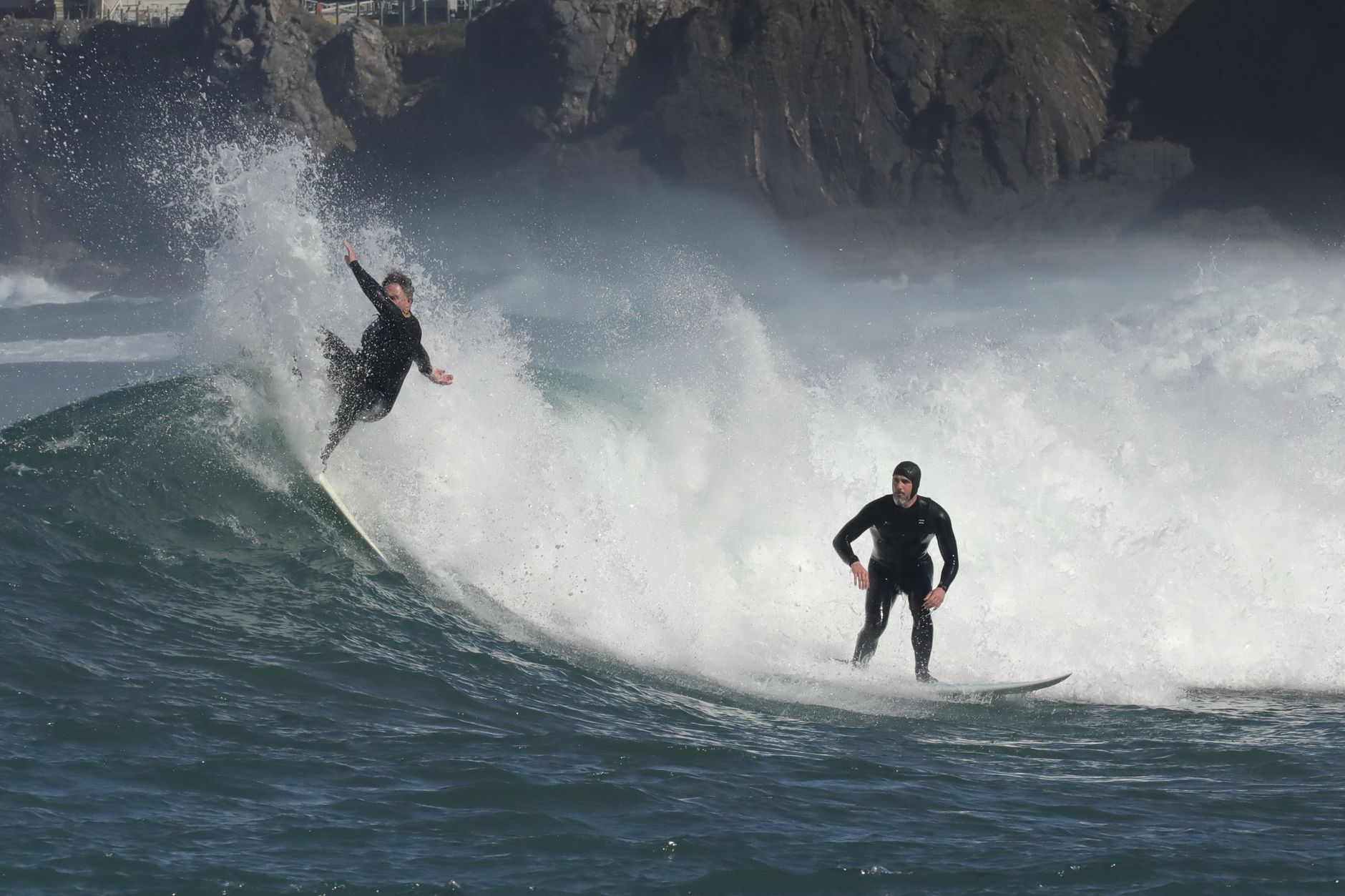
Foam board (soft-top) → catching small whitewash waves consistently → popping up reliably → catching unbroken (green) waves → positioning for waves → reading waves and timing → actually surfing in a meaningful sense. The gap between "standing up on whitewash" and "catching real waves" is where most adult learners stall, and where most people who eventually become surfers separate from those who don't. This gap typically takes 6–18 months of consistent practice to cross, depending on frequency and wave availability.
Lessons Are Worth It
Group surf lessons (2 hours, $60–100 typically) compress the early learning curve significantly by giving immediate feedback on pop-up technique and wave timing — the two things that are hardest to self-teach. Private lessons cost more and produce faster early progress. The value of lessons diminishes once you're catching waves independently; beyond that, time in the water matters more than instruction.
Ocean Awareness
Rip currents, wave sets, ocean depth variation, and surf etiquette (right of way rules in the lineup) are things to understand before paddling out anywhere beyond beginner breaks. Being out of your depth in difficult surf is genuinely dangerous and creates risk for yourself and other surfers. Learn the basics of reading surf conditions and practice in conditions appropriate to your current level.
Here's where I land: Surfing is worth the patience the learning curve requires. Go in expecting 6–12 months before the "real" surfing begins.
From experience: Having tested gear and techniques across varying conditions, the equipment choices that matter most are almost never the most expensive — fit, weight, and reliability outperform specifications.
The Outdoor Industry Association's 2024 participation report found that outdoor recreation participation has increased consistently since 2020, with first-time participants citing mental health benefits as frequently as physical fitness as their primary motivation.
The Safety Realities
Outdoor activities carry genuine risks that enthusiasm and preparation reduce but cannot eliminate. Weather changes faster than forecasts predict, navigation errors happen to experienced people, and physical limitations become apparent at the worst moments. Honest risk assessment — neither fear-based avoidance nor overconfident dismissal — produces better outcomes than either extreme. The outdoors rewards preparation and humility in roughly equal measure.

Tom Williams is an outdoor enthusiast, certified wilderness first responder, and automotive journalist who has hiked, climbed, and driven across 40 US states and 15 countries. He covers outdoor adventures, automotive top...
![Learning to Surf [2026]: The Honest Timeline and What Makes It So Hard](/img/posts/surfing-beginner-honest-guide-2026-5d38fef2.jpg)
![Surfboard Guide for Beginners: Which Board to Buy First [2026]](/img/posts/fix-surfboard-guide-honest-2026-1864b4f4.jpg)
![Learning to Surf in [2026]: The Honest Reality vs the Romantic Version](/img/posts/fix-learning-to-surf-honest-guide-2026-758bbc17.jpg)