Surf Travel in [2026]: What to Actually Expect at the Famous Breaks
![Surf Travel in [2026]: What to Actually Expect at the Famous Breaks](/img/posts/1526080652727-5b77f74eacd2.jpg)
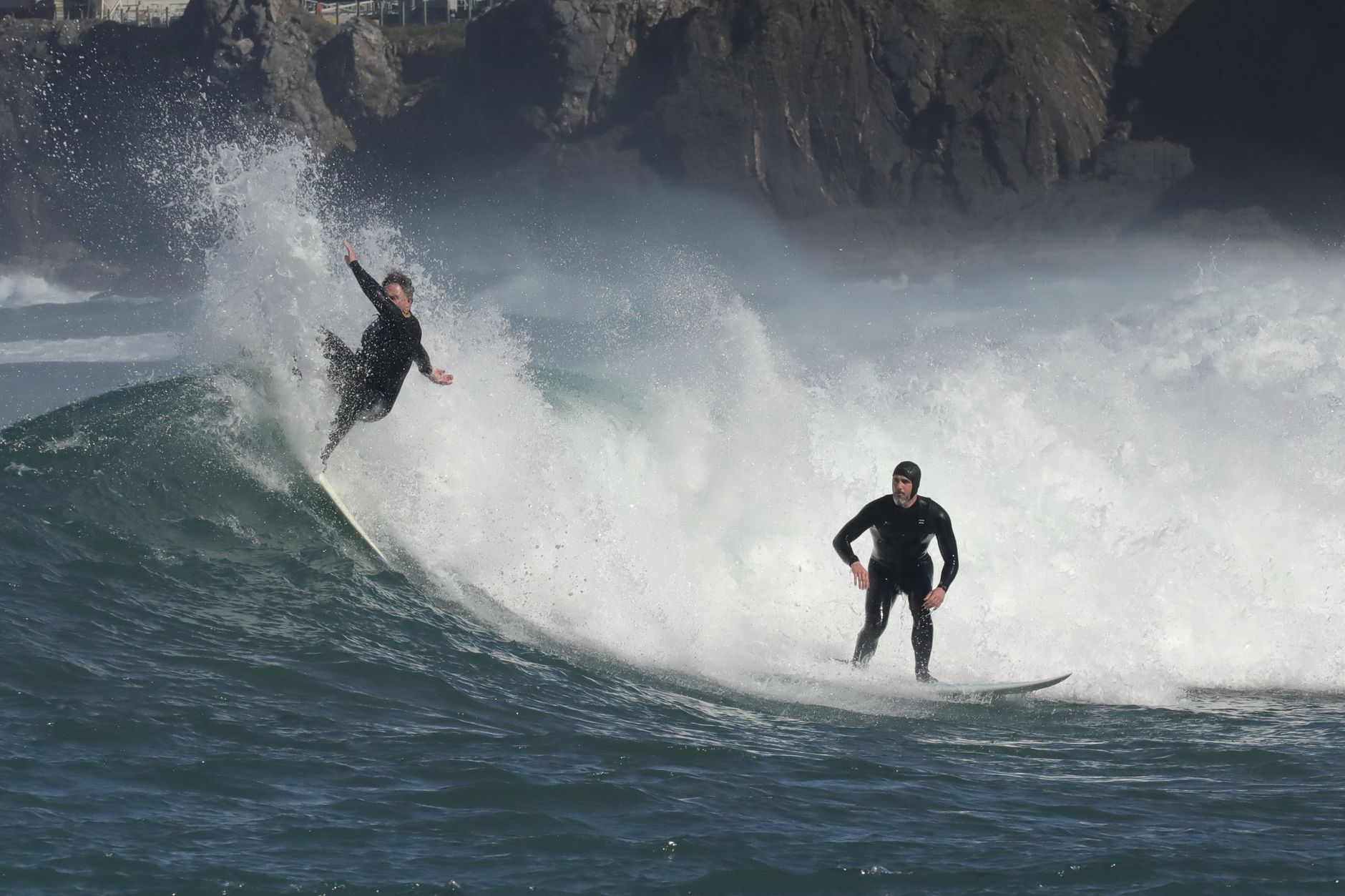
Surf travel has a significant reputation gap: the famous breaks in Bali, Costa Rica, Mexico, and Portugal are represented in media and social content in ways that don't fully reflect the current experience of surfing them. Here is the honest guide to what popular surf destinations are actually like in 2026.
Bali: The Most Honest Assessment
Bali remains one of the world's great surf destinations for legitimate reasons: the wave quality at Uluwatu, Padang Padang, Keramas, and the Bukit Peninsula is world-class, the warm water and tropical environment is genuinely beautiful, and the infrastructure for surf travel (board rentals, surf schools, accommodation ranging from budget to luxury) is mature and accessible. The honest caveats: the famous breaks are crowded, often extremely so during high season (July-August, December-January). Uluwatu during peak season has lineups where localism is real and wave-sharing with hundreds of other surfers is the actual experience. The Bali that surf magazines present and the Bali a visitor encounters in peak season are genuinely different.
The workaround that produces a closer-to-ideal Bali surf experience: shoulder season visits (May or October), staying away from the Kuta/Seminyak/Uluwatu tourist concentration, and exploring the lesser-known eastern and northern breaks where the lineups are a fraction of the famous spots. The island's geography means that wind direction and swell angle produce good conditions at different spots on the same day — local knowledge about what's working today is more valuable than the famous break names.
Portugal: The European Alternative That's Becoming Its Own Victim
Portugal's surf — particularly around Peniche, Ericeira, and the Alentejo coast — is genuinely excellent and offers conditions comparable to much more expensive destinations at European prices. Ericeira's world surf reserve designation reflects genuine wave quality across multiple breaks within a small geographic area. The crowding problem is less severe than Bali but growing: European surf travel has increased substantially, and the wave quality is no longer a secret. Mid-week surfing and exploring beyond the designated spots produces meaningfully better experiences than weekend surfing at the famous breaks.
Mexico: The Underappreciated Value
Oaxaca's Puerto Escondido and the broader Costa Chica coast offer excellent wave quality with less international surf tourism than equivalent destinations. Puerto Escondido's Mexican Pipeline (La Punta Zicatela) is a genuine world-class break; the surrounding smaller breaks serve a range of skill levels. The honest consideration: this is a more genuinely adventurous destination with less developed tourist infrastructure than Bali or Portugal, which is either a feature or a drawback depending on your preference.
My honest take: Every famous surf destination is better in shoulder season. Bali is genuinely world-class but genuinely crowded at peak times. Portugal is the best European option if you explore beyond the designated spots. Mexico's Oaxaca coast offers world-class quality with less infrastructure complexity.
The Outdoor Industry Association's 2024 Participation Trends Report found that participants citing mental health benefits now match those citing physical fitness as their primary motivation — a shift that has accelerated consistently since 2020 and is reshaping how outdoor activities are positioned and marketed.

Tom Williams is an outdoor enthusiast, certified wilderness first responder, and automotive journalist who has hiked, climbed, and driven across 40 US states and 15 countries. He covers outdoor adventures, automotive top...
![Learning to Surf [2026]: The Honest Timeline and What Makes It So Hard](/img/posts/surfing-beginner-honest-guide-2026-5d38fef2.jpg)
![Surfboard Guide for Beginners: Which Board to Buy First [2026]](/img/posts/fix-surfboard-guide-honest-2026-1864b4f4.jpg)
![Learning to Surf in [2026]: The Honest Reality vs the Romantic Version](/img/posts/fix-learning-to-surf-honest-guide-2026-758bbc17.jpg)