Urban Cycling in [2026]: How to Actually Commute by Bike
![Urban Cycling in [2026]: How to Actually Commute by Bike](/img/posts/fix-urban-cycling-guide-2026-65a502fa.jpg)
I've been cycling as primary urban transport for four years in two different cities. It's transformed both my relationship with the city and my daily life in ways I didn't anticipate. Here is how to make it actually work.
The Bike for Urban Commuting
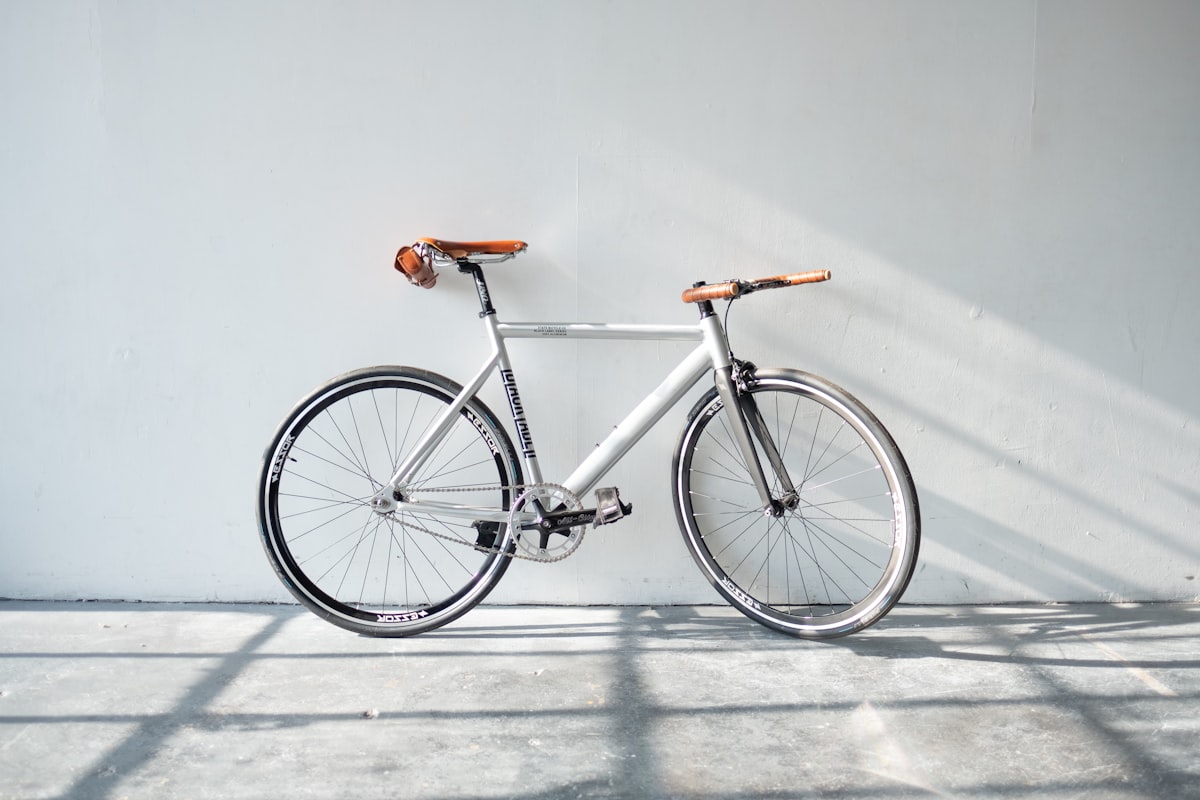
A hybrid or flat-bar road bike in the $400–800 range is the appropriate tool for most urban commuting — fast enough to be efficient, durable enough to handle daily use, simple enough to maintain without specialist tools. Dedicated road bikes are faster but uncomfortable for stop-and-go traffic and less suited to cargo carrying. Mountain bikes are too slow for distance commuting. E-bikes are genuinely excellent for flatter routes or longer distances — the battery-assisted range expands what's feasible without arriving at work sweaty. My one specific recommendation: fenders (mudguards) and a rear rack, without which rainy and cargo situations are much harder.
The Safety Infrastructure
Front and rear lights (UK law requires them; most jurisdictions have some version of this requirement) and a helmet are the baseline safety infrastructure. Hi-viz in low-light conditions is genuinely more visible and I wear it despite finding the aesthetic undignified. The risk calculus for urban cycling varies significantly by city based on infrastructure quality — separated bike lanes, traffic speed, and driver culture all affect the experience and the risk. Planning routes on bike paths and lower-traffic streets, even if they're longer, is usually the better choice for daily riding.
The Practical Logistics
For commuting without arriving sweaty: maintain a pace where you can hold a conversation — this is easier than it sounds once you're fit, and the fitness comes faster than expected. Allow yourself 20% more time than Google Maps suggests for urban cycling — delays at traffic lights, navigation, and stop-and-go traffic add up. Carrying clothes in a waterproof bag prevents the most common cycling commuter frustration: arriving with wet work clothes.
What Changed for Me
I stopped thinking about transport as wasted time when I started cycling. The commute became exercise and decompression simultaneously. The city became more known — I notice things from a bike that disappear behind car windows. And the cost savings are genuine: my transport costs dropped by roughly 70% compared to owning a car in the city.
Real talk: Urban cycling works well in more cities than people assume. Try the commute once before concluding it doesn't work for your situation.
The Outdoor Industry Association's 2024 Participation Trends Report found that participants citing mental health benefits now match those citing physical fitness as their primary motivation — a shift that has accelerated consistently since 2020 and is reshaping how outdoor activities are positioned and marketed.
The Safety Realities
Outdoor activities carry genuine risks that enthusiasm and preparation reduce but cannot eliminate. Weather changes faster than forecasts predict, navigation errors happen to experienced people, and physical limitations become apparent at the worst moments. Honest risk assessment — neither fear-based avoidance nor overconfident dismissal — produces better outcomes than either extreme. The outdoors rewards preparation and humility in roughly equal measure.

Tom Williams is an outdoor enthusiast, certified wilderness first responder, and automotive journalist who has hiked, climbed, and driven across 40 US states and 15 countries. He covers outdoor adventures, automotive top...
![Cycling for Beginners [2026]: Road, Mountain, or Gravel — Which Type Is Right for You](/img/posts/cycling-beginner-honest-guide-2026-80cf3f68.jpg)
![Commuter Cycling in: What to Know Before Starting [2026]](/img/posts/unique-884-092e3b8f.jpg)
![Cycling Nutrition: What to Eat Before, During, and After Rides [2026]](/img/posts/fix-cycling-nutrition-honest-guide-2026-c214ed5a.jpg)