E-Bikes in 2026: The Honest Assessment After the Hype Has Settled
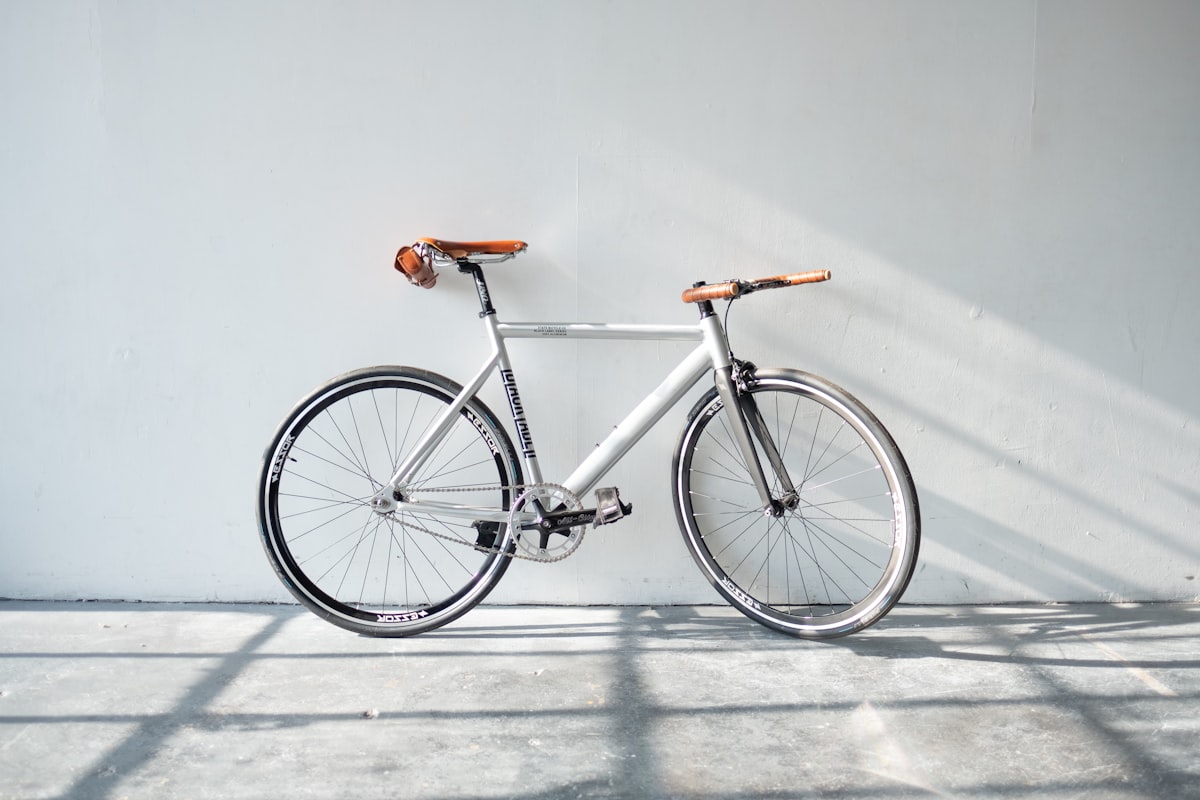
E-bike sales have grown dramatically over the past five years and the market has matured enough that honest assessment is now possible. The early adopter enthusiasm has given way to a more realistic picture of what e-bikes do well, where they fall short, and which use cases actually justify the significant cost premium over conventional bikes.
What E-Bikes Are Actually Good At
Commuting is the strongest use case for e-bikes, and the evidence is compelling. The primary barriers to bicycle commuting for most people are: arriving at work sweaty (addressed by e-assist reducing exertion), hills (addressed directly), distance (addressed by reducing effort over distance), and time (addressed marginally by slightly higher average speeds). E-bikes address the most significant practical barriers, which explains why commuter e-bike adoption has consistently driven the market.
Studies of e-bike commuters (including the PALMERS study in several European cities) consistently find that e-bike commuters actually exercise more than traditional bike commuters, not less — because they use the bikes more often and for longer distances, offsetting the lower per-kilometer exertion. The "it's cheating" concern about e-bikes and exercise is largely unsupported by actual usage data.
Cargo and family transport represents the second clear win. Cargo e-bikes carrying groceries, children, or substantial loads address a use case that's difficult and exhausting on conventional bikes. A parent carrying two children in a cargo bike up a moderate hill is a genuinely difficult physical task on a conventional bike; an e-cargo bike makes it routine. This has driven significant adoption in European cities with cargo bike culture.
Enabling cycling for people who wouldn't otherwise cycle — older riders, people with fitness limitations, people recovering from injury — is a clear benefit that doesn't require comparison to conventional bikes.
Where E-Bikes Disappoint
Weight. Most e-bikes weigh 15-25kg (33-55 lbs) compared to 8-12kg for conventional bikes. This is significant when carrying up stairs, loading into vehicles, or dealing with a dead battery (which turns the motor into a significant drag). The weight difference is less relevant for pure riding but more relevant for the practical handling of the bike off the bike.
Maintenance complexity. E-bikes have more components to fail — motor, battery, controller, display, sensors — and more of those components require specialist repair. Mid-drive motor maintenance specifically is expensive. The battery is a consumable that degrades and eventually requires replacement ($500-1000 for most quality batteries).
Range anxiety is less severe than for EVs but real in certain use cases. Most e-bikes provide 40-80km of range on a charge, which is adequate for commuting but limiting for long recreational rides without planning. The weight penalty when the battery is depleted is significant for touring.
Cost. Quality e-bikes start at $1,500 and the good ones are $3,000-6,000. This is significantly more expensive than equivalent conventional bikes. The use case needs to justify the premium — for regular commuting replacing car trips, the economics work clearly; for occasional recreational riding, less clearly.
The Motor Type Matters
Hub motors (motor in the front or rear wheel) are simpler, lighter, and cheaper to maintain. They work fine for flat-to-moderate terrain commuting but feel less natural and perform less well on steep hills or technical terrain.
Mid-drive motors (motor in the pedal crank) provide more natural cycling feel, better hill performance, and more efficient power delivery. They're the choice for hilly terrain, performance applications, and mountain e-bikes. They're more expensive and more complex to maintain.
For flat urban commuting: hub motor is adequate and cheaper. For hilly terrain or longer distances: mid-drive is worth the premium.
Honest Bottom Line: E-bikes are most justified for regular commuting (addressing the practical barriers of hills, distance, and sweat) and cargo transport. Evidence shows e-bike commuters exercise more than conventional bike commuters because they ride more often. The disappointments: significant weight (15-25kg), maintenance complexity, battery degradation costs, and high purchase price. For irregular recreational use, the cost-benefit is less clear. Hub motors are adequate for flat terrain; mid-drive motors are worth the premium for hills and performance applications.

Tom Williams is an outdoor enthusiast, certified wilderness first responder, and automotive journalist who has hiked, climbed, and driven across 40 US states and 15 countries. He covers outdoor adventures, automotive top...
![Cycling for Beginners [2026]: Road, Mountain, or Gravel — Which Type Is Right for You](/img/posts/cycling-beginner-honest-guide-2026-80cf3f68.jpg)
![Commuter Cycling in: What to Know Before Starting [2026]](/img/posts/unique-884-092e3b8f.jpg)
![Cycling Nutrition: What to Eat Before, During, and After Rides [2026]](/img/posts/fix-cycling-nutrition-honest-guide-2026-c214ed5a.jpg)
![Getting Into Road Cycling: What to Know Before Starting [2026]](/img/posts/fix-road-cycling-honest-guide-2026-d63995b0.jpg)