Getting Into Cycling in 2026: The Honest Guide for Complete Beginners
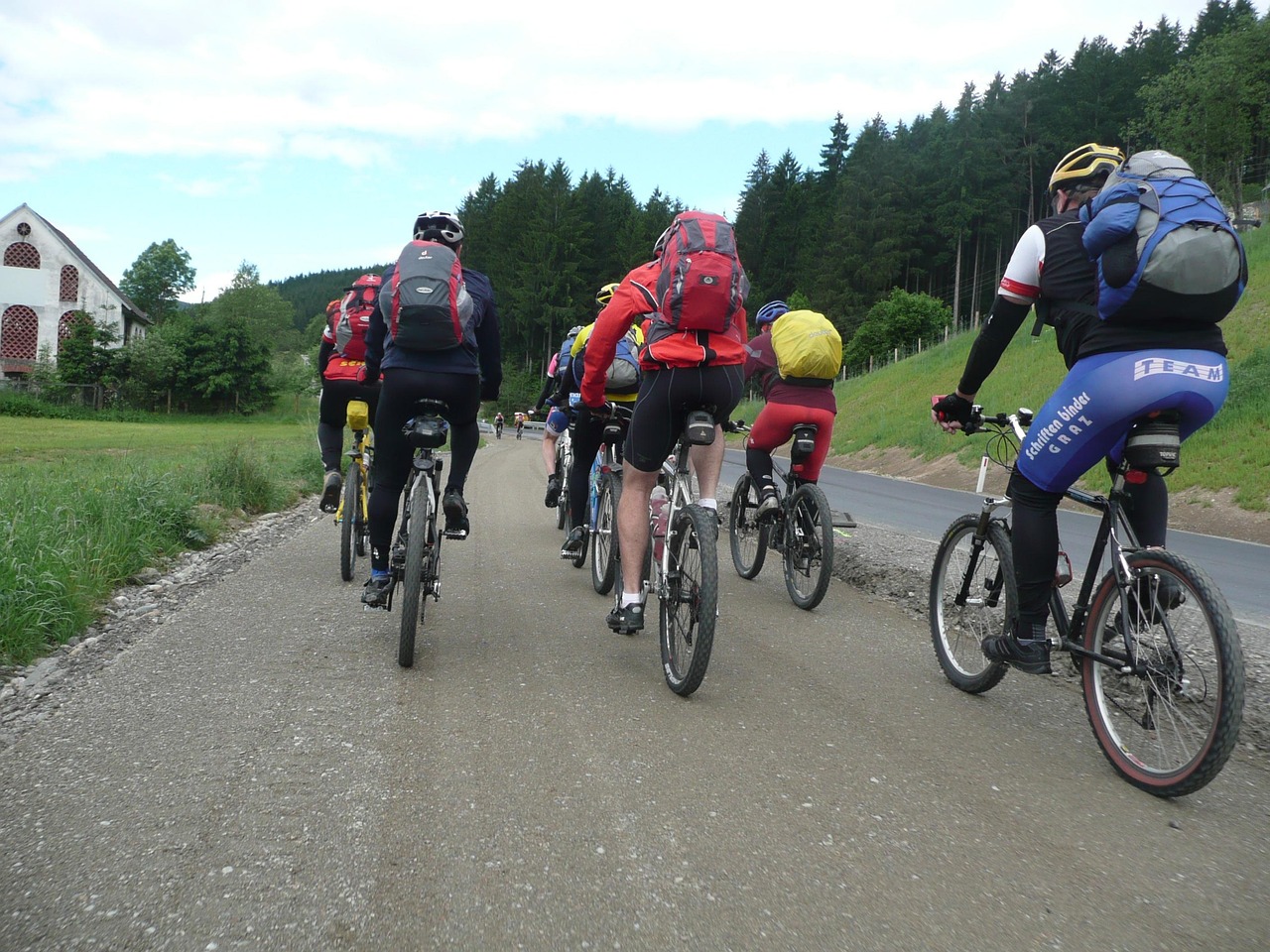
Cycling is excellent exercise. Here is the honest guide to starting without overcomplicating it.
Cycling as a sport and fitness activity has significant entry barriers that the enthusiast community sometimes amplifies: expensive bikes, specific clothing, group ride etiquette, and a technical vocabulary that can make newcomers feel out of place. The honest reality is that getting meaningful fitness benefit from cycling requires far less than the cycling industry suggests, and that the barriers to starting are much lower than they appear. Here is the guide that actually gets you on a bike.
The Bike That Actually Matters
The most important bike decision for beginners: buy a bike appropriate for your intended use, in the right size, at a price point you can afford without financial stress. A $500–800 entry-level road or hybrid bike from a reputable brand (Trek, Giant, Specialized, Cannondale entry-level lines) provides everything needed to get fit and determine whether cycling is a long-term pursuit, without the risk of expensive investment in a sport you may not continue. The bike fit is more important than the bike quality — a well-fitting bike at $500 will be more comfortable and more enjoyable than an ill-fitting bike at $1,500. Getting a proper fit at a bike shop, where a staff member helps adjust saddle height, reach, and bar height, is worth more than any component upgrade.
The Gear That Actually Matters
Cycling gear that produces meaningful quality improvement: a properly fitting helmet (safety, not aerodynamics, is the relevant factor); padded cycling shorts (the most impactful comfort purchase after the bike itself — chamois padding dramatically reduces saddle discomfort on rides over 30 minutes); and cycling shoes with clipless pedals (connecting shoes to pedals through a cleat improves pedaling efficiency significantly, but has a learning curve that includes initially tipping over at stops while still clipped in). Gear with minimal real-world impact: aerodynamic equipment at recreational speeds, expensive clothing for performance gains that only matter at competitive speeds.

Building Fitness Honestly
The most effective fitness-building approach for beginning cyclists: consistency over intensity. Regular rides at conversational pace (Zone 2 cardio — able to speak in sentences, breathing elevated but not gasping) produce superior aerobic development and recovery compared to occasional intense rides. The common beginner mistake: going hard on every ride, accumulating fatigue, and reducing either frequency or enjoyment. Building volume gradually — adding 10% weekly distance maximum — prevents the overuse injuries that sideline beginning cyclists most commonly.
Bottom Line: $500–800 entry-level bike from reputable brand is sufficient for beginning cycling — bike fit (saddle height, reach, bar height) matters more than bike quality. Gear that matters: helmet, padded cycling shorts (dramatic comfort improvement for 30+ minute rides), clipless pedals/shoes (efficiency improvement with learning curve). Gear with minimal impact at recreational speeds: aerodynamic equipment, performance clothing. Fitness building: consistent Zone 2 riding (conversational pace) produces better aerobic development than occasional intense rides; 10% maximum weekly distance increase prevents overuse injuries.