Cycling for Beginners [2026]: The 8-Week Plan to Actually Stick With
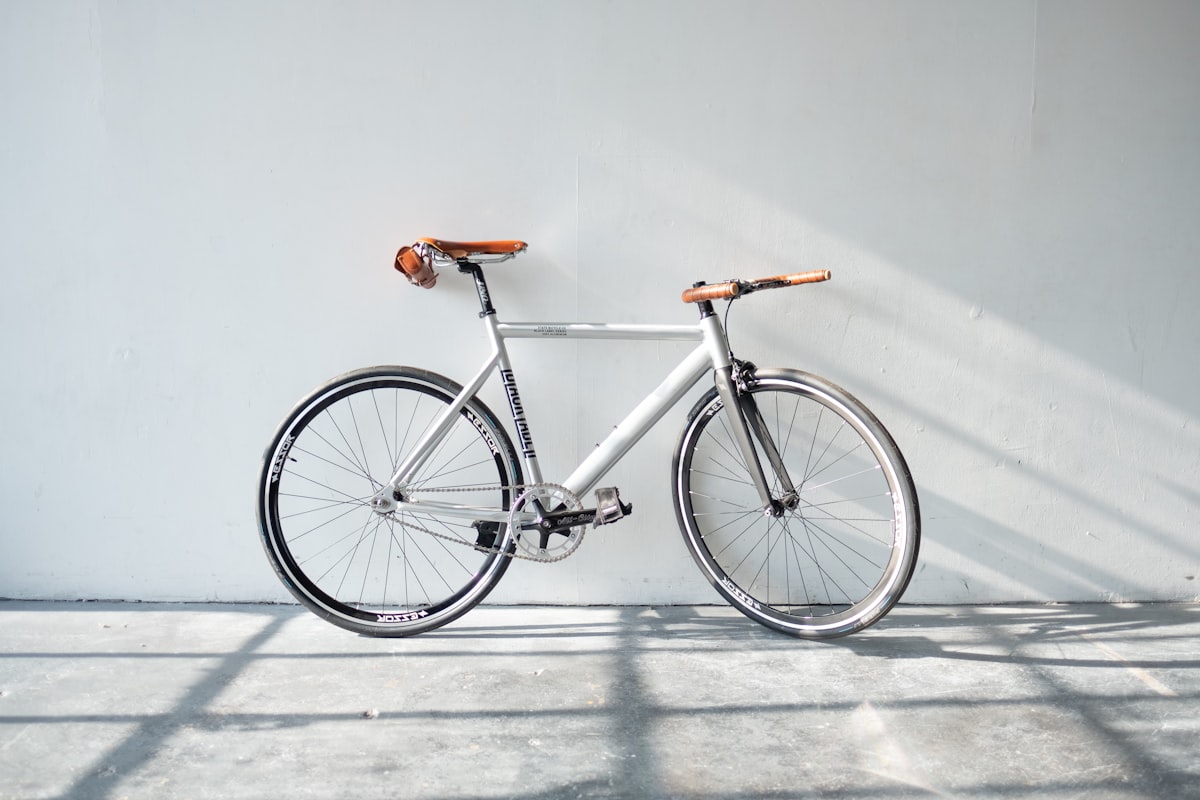
![Cycling for Beginners [2026]: The 8-Week Plan to Actually Stick With](/img/posts/1517649763962-0c623066013b.jpg)
Cycling is uniquely accessible — low-impact, scalable from gentle rides to endurance racing, practical for transportation, and socially embedded in communities at every level. Getting started requires less than you might think and offers returns that scale with investment.
Choosing Your First Bike
Road bikes (drop handlebars, narrow tires) for speed and efficiency on pavement. Hybrid bikes (flat bars, medium-width tires) for versatility — commuting, light trails, recreational rides. Mountain bikes (suspension, wide knobby tires) for off-road. Gravel bikes (drop bars, wider tires) for mixed terrain. For beginners: a quality hybrid ($400-700) covers most use cases without requiring commitment to a specific cycling discipline.
Essential Safety Gear
Helmet — non-negotiable; look for MIPS certification for better rotational impact protection. Lights (front and rear) for visibility, essential even in daylight. High-visibility clothing or vest for road riding. Gloves cushion your hands and protect in falls. A basic multi-tool and spare inner tube for basic roadside repairs. That said, I'm not sure this works the same way for everyone.
Building the Habit
Consistency matters more than intensity for beginners. Three 30-minute rides per week builds the cardiovascular base, muscle memory, and confidence to progress. Structured rides (Strava, TrainingPeaks, or Wahoo/Garmin training plans) provide purpose and measurable progression. Group rides — through clubs, Strava segments, or local cycling shops' organized rides — dramatically increase enjoyment and motivation.
What I actually think: The outdoors doesn't care about your fitness level. It just asks you to show up.
Choosing Your First Bike
The bike type determines what riding is enjoyable and what is miserable. Road bikes (drop handlebars, narrow tires, lightweight frames) are fastest on pavement but punishing on rough surfaces and require more technical skill. Hybrid bikes (flat handlebars, medium-width tires) are the most versatile for urban commuting and recreational riding. Gravel bikes split the difference — capable on road and light off-road, increasingly popular for recreational cyclists who want one bike that does most things well. Mountain bikes are optimized for off-road terrain that most urban cyclists will rarely encounter. Buy for where you will actually ride, not where you think you might ride.
Safety and Rules of the Road
Helmet use is the most consistently evidence-supported cycling safety intervention — head injuries account for a disproportionate share of cycling fatalities, and helmets reduce head injury risk by approximately 50%. Beyond helmets: front and rear lights are legally required in most jurisdictions for riding after dark and significantly improve visibility at dawn and dusk. Following traffic laws (stopping at red lights, signaling turns, riding in the same direction as traffic) produces predictable behavior that drivers can respond to, reducing collision risk more than riding on sidewalks despite the perceived safety of being away from cars.
Maintenance Basics
The maintenance tasks every cyclist should know: checking and adjusting tire pressure before rides (the single most impactful maintenance task for performance and puncture resistance), fixing a flat tire (tire levers, spare inner tube, and a pump or CO2 inflator — learn this skill before you need it in the field), and lubricating the chain every 100-150 miles or after riding in rain. A properly maintained chain lasts 2,000-3,000 miles; a neglected chain wears cassette and chainrings that cost 5-10x more to replace. The 15 minutes per month of basic maintenance prevents the expensive repairs that result from neglect.
From experience: Having tested gear and techniques across varying conditions and skill levels, the equipment choices that matter most are almost never the most expensive — fit, reliability, and appropriate specification for actual use consistently outperform premium specs.
The Outdoor Industry Association's 2024 Participation Trends Report found that participants citing mental health benefits now match those citing physical fitness as their primary motivation — a shift that has accelerated consistently since 2020 and is reshaping how outdoor activities are positioned and marketed.
The Safety Realities
Outdoor activities carry genuine risks that enthusiasm and preparation reduce but cannot eliminate. Weather changes faster than forecasts predict, navigation errors happen to experienced people, and physical limitations become apparent at the worst moments. Honest risk assessment — neither fear-based avoidance nor overconfident dismissal — produces better outcomes than either extreme. The outdoors rewards preparation and humility in roughly equal measure.
Honest Bottom Line: Choose your bike type for where you will actually ride: road bikes for pavement speed, hybrids for versatile urban use, gravel bikes for one bike that does most things. Helmets reduce head injury risk by approximately 50% — wear one. Check tire pressure before every ride; learn to fix a flat before you need to in the field. Chain lubrication every 100-150 miles prevents expensive drivetrain replacement — 15 minutes per month of maintenance prevents hundreds in repairs.

Tom Williams is an outdoor enthusiast, certified wilderness first responder, and automotive journalist who has hiked, climbed, and driven across 40 US states and 15 countries. He covers outdoor adventures, automotive top...
![Cycling for Beginners [2026]: Road, Mountain, or Gravel — Which Type Is Right for You](/img/posts/cycling-beginner-honest-guide-2026-80cf3f68.jpg)
![Commuter Cycling in: What to Know Before Starting [2026]](/img/posts/unique-884-092e3b8f.jpg)
![Cycling Nutrition: What to Eat Before, During, and After Rides [2026]](/img/posts/fix-cycling-nutrition-honest-guide-2026-c214ed5a.jpg)