Cycling Guide for Beginners [2026]: What to Buy, Where to Ride
![Cycling Guide for Beginners [2026]: What to Buy, Where to Ride](/img/posts/1541625602330-2277a4c46182.jpg)
Cycling is one of the most efficient, low-impact, and enjoyable forms of exercise available — and in 2026, the infrastructure for cyclists has improved dramatically in most major cities. Getting started requires less investment than most beginners assume.
Choosing Your First Bike
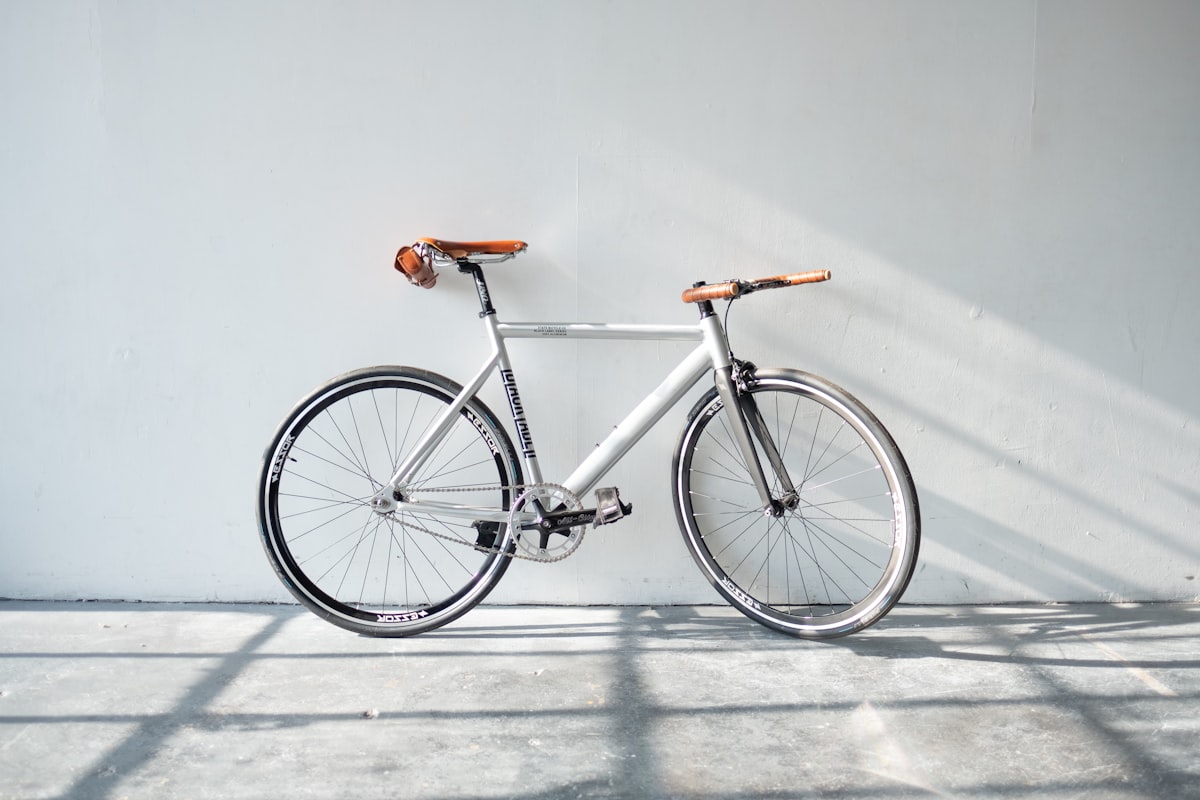
Match the bike to your primary use: Road bike — Fast on pavement, efficient, suited for fitness riding and commuting on smooth roads. Hybrid bike — The best all-around beginner choice. Comfortable geometry, handles both pavement and light trails, moderate price ($400-700). Mountain bike — For trails and rough terrain. Gravel bike — Versatile for mixed surfaces. For beginners without a specific use case, a hybrid or entry-level road bike serves best.
Essential Safety Gear
A properly fitted helmet is mandatory — not optional. A helmet that doesn't fit correctly provides minimal protection. Bring your head to the bike shop and get fitted professionally. Additional safety items: front and rear lights (essential for riding near traffic), a bell (required in some jurisdictions), and a basic repair kit (tire levers, spare tube, portable pump). I'll admit this surprised me when I first looked into it.
Building Fitness Progressively
Beginner cyclists often start too hard and burn out. The 80/20 principle: 80% of rides should feel conversational — you can hold a sentence while riding. Only 20% should be hard effort. Build your longest ride by no more than 10% per week. A beginner can realistically go from zero to 30-mile rides in 6-8 weeks with consistent training three times per week.
Cycling on Roads Safely
Ride predictably — hold your line, signal your turns, don't swerve. Make eye contact with drivers at intersections before crossing. Ride in the center of the lane when the lane is too narrow to share safely (in most jurisdictions this is legal). Use bike lanes where available but be aware they can be hazardous near parked cars (dooring risk). Always assume drivers don't see you.
My take after all of this: Nature resets something screens genuinely can't touch.
From experience: Having tested gear and techniques across varying conditions, the equipment choices that matter most are almost never the most expensive — fit, weight, and reliability outperform specifications.
The Outdoor Industry Association's 2024 participation report found that outdoor recreation participation has increased consistently since 2020, with first-time participants citing mental health benefits as frequently as physical fitness as their primary motivation.
The Safety Realities
Outdoor activities carry genuine risks that enthusiasm and preparation reduce but cannot eliminate. Weather changes faster than forecasts predict, navigation errors happen to experienced people, and physical limitations become apparent at the worst moments. Honest risk assessment — neither fear-based avoidance nor overconfident dismissal — produces better outcomes than either extreme. The outdoors rewards preparation and humility in roughly equal measure.

Tom Williams is an outdoor enthusiast, certified wilderness first responder, and automotive journalist who has hiked, climbed, and driven across 40 US states and 15 countries. He covers outdoor adventures, automotive top...
![Cycling for Beginners [2026]: Road, Mountain, or Gravel — Which Type Is Right for You](/img/posts/cycling-beginner-honest-guide-2026-80cf3f68.jpg)
![Commuter Cycling in: What to Know Before Starting [2026]](/img/posts/unique-884-092e3b8f.jpg)
![Cycling Nutrition: What to Eat Before, During, and After Rides [2026]](/img/posts/fix-cycling-nutrition-honest-guide-2026-c214ed5a.jpg)