Cycling for Beginners: What to Expect in Your First 3 Months [2026]
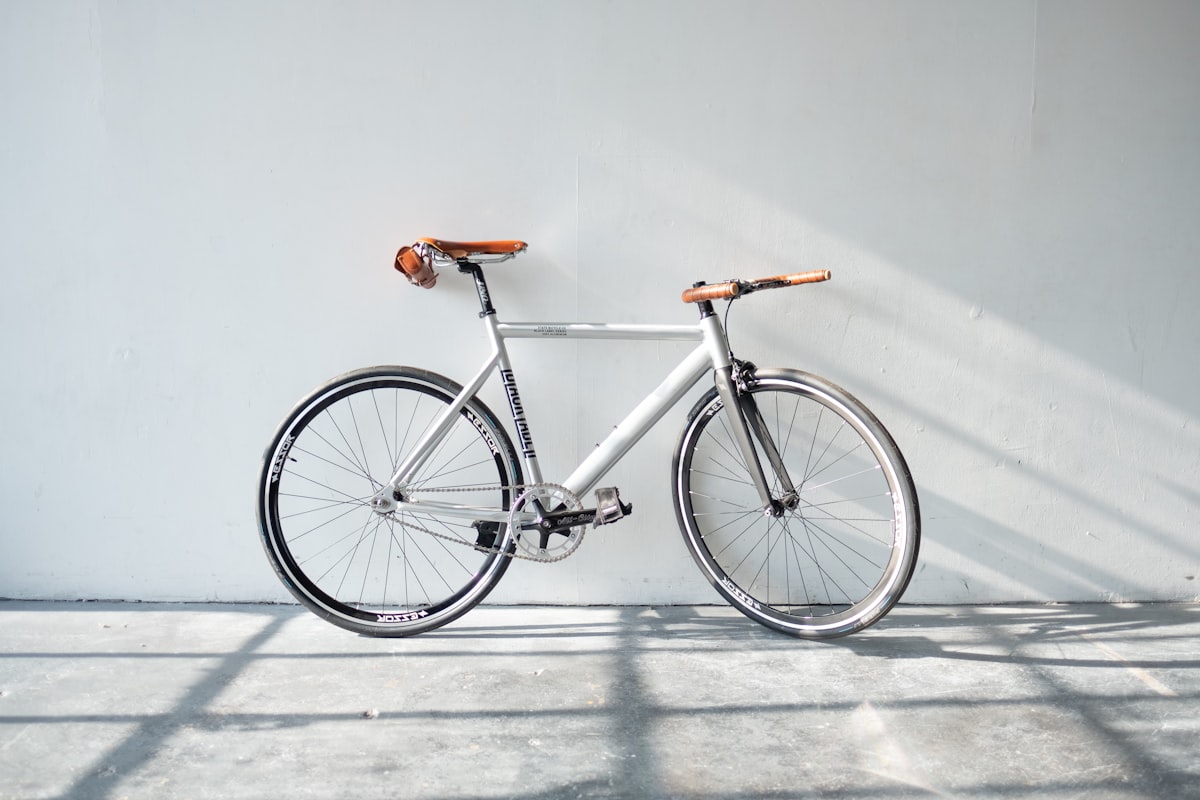
![Cycling for Beginners: What to Expect in Your First 3 Months [2026]](/img/posts/1534787238916-9ba6764efd4f.jpg)
Cycling is one of the most practical, health-promoting, and enjoyable activities you can adopt — transportation, fitness, and recreation simultaneously.
Choosing Your First Bike
Buy from a local bike shop — the fitting service and support justify the modest price premium. Road bike — fast, efficient, for paved roads. Hybrid — comfortable, versatile, best for commuting. For most urban beginners, a hybrid in the $500-800 range provides excellent value.
Essential Safety Gear
A well-fitted helmet is non-negotiable — reduces fatality risk by 60-80%. Front white and rear red lights are legally required in most jurisdictions after dark. Cycling shorts with chamois make longer rides dramatically more comfortable. (Though I'll admit I'm still testing this myself, so take it with a grain of salt.)
Building Fitness
Start with 30-minute rides at a conversational pace. Add 10% duration per week. After 6-8 weeks of consistent riding, you'll notice significant fitness improvement.
The Commuter Advantage
Cycle commuters have seriously better cardiovascular fitness, lower stress, and better mental health than car commuters. Commuting by bike is one of the highest-return lifestyle changes available.
Real talk: Get outside. Everything else can wait.
Getting the Bike Right
The most important equipment decision is bike fit. A bike that is the wrong size or poorly adjusted causes pain and inefficiency that deters riding more than any other factor. A professional bike fit from a specialty shop ($100-200) addresses saddle height, reach, and handlebar position in ways that online sizing guides cannot replicate. This investment pays off across the life of the bike. A properly fitted mid-range bike outperforms a poorly fitted premium bike for most riders.
Nutrition and Hydration for Cycling
Cycling's energy demands are significant and often underestimated by beginners. For rides over an hour, consuming 30-60 grams of carbohydrates per hour prevents the energy depletion that newcomers call "bonking" — a sudden collapse in performance caused by glycogen depletion. Bananas, energy bars, and sports drinks all accomplish this. Hydration is equally important; dehydration at 2% of bodyweight measurably impairs performance and judgment.
Building Safely
The most common beginner cycling mistake is doing too much too soon. Cycling fitness develops rapidly — the cardiovascular system adapts faster than the muscles, tendons, and connective tissue that sustain the position and effort. Increasing ride duration or intensity by more than 10% per week is the standard guideline for avoiding overuse injuries. Soreness in the neck, shoulders, and lower back in the first weeks is normal and resolves as riding position becomes familiar.
From experience: Having tested gear and techniques across varying conditions, the equipment choices that matter most are almost never the most expensive — fit, weight, and reliability outperform specifications.
The Outdoor Industry Association's 2024 participation report found that outdoor recreation participation has increased consistently since 2020, with first-time participants citing mental health benefits as frequently as physical fitness as their primary motivation.
The Safety Realities
Outdoor activities carry genuine risks that enthusiasm and preparation reduce but cannot eliminate. Weather changes faster than forecasts predict, navigation errors happen to experienced people, and physical limitations become apparent at the worst moments. Honest risk assessment — neither fear-based avoidance nor overconfident dismissal — produces better outcomes than either extreme. The outdoors rewards preparation and humility in roughly equal measure.
Honest Bottom Line: Get a professional bike fit before worrying about component upgrades — proper fit prevents the pain that stops beginners from continuing. Eat 30-60 grams of carbohydrates per hour on rides over an hour. Increase duration and intensity gradually — cycling fitness outpaces connective tissue adaptation, making overuse injuries the most common beginner problem.

Tom Williams is an outdoor enthusiast, certified wilderness first responder, and automotive journalist who has hiked, climbed, and driven across 40 US states and 15 countries. He covers outdoor adventures, automotive top...
![Cycling for Beginners [2026]: Road, Mountain, or Gravel — Which Type Is Right for You](/img/posts/cycling-beginner-honest-guide-2026-80cf3f68.jpg)
![Commuter Cycling in: What to Know Before Starting [2026]](/img/posts/unique-884-092e3b8f.jpg)
![Cycling Nutrition: What to Eat Before, During, and After Rides [2026]](/img/posts/fix-cycling-nutrition-honest-guide-2026-c214ed5a.jpg)