Hammock Camping in 2026: The Honest Guide for Tent Campers Considering the Switch
I tent-camped for a decade and switched to hammock camping two years ago on the recommendation of someone who described it as transformative. It has been genuinely better in some specific ways and genuinely worse in others that the recommendation didn't prepare me for. Here is the honest assessment for tent campers considering the switch.
What's Genuinely Better
Sleep quality, for me, improved significantly. I'm a side sleeper who found tent sleeping on a sleeping pad consistently poor; hammocks eliminate pressure points entirely because you're suspended rather than lying on a surface. The gentle sway is also — and this surprised me — conducive to sleep rather than disruptive. I consistently sleep better in my hammock than in my tent, which is the primary reason I've continued.
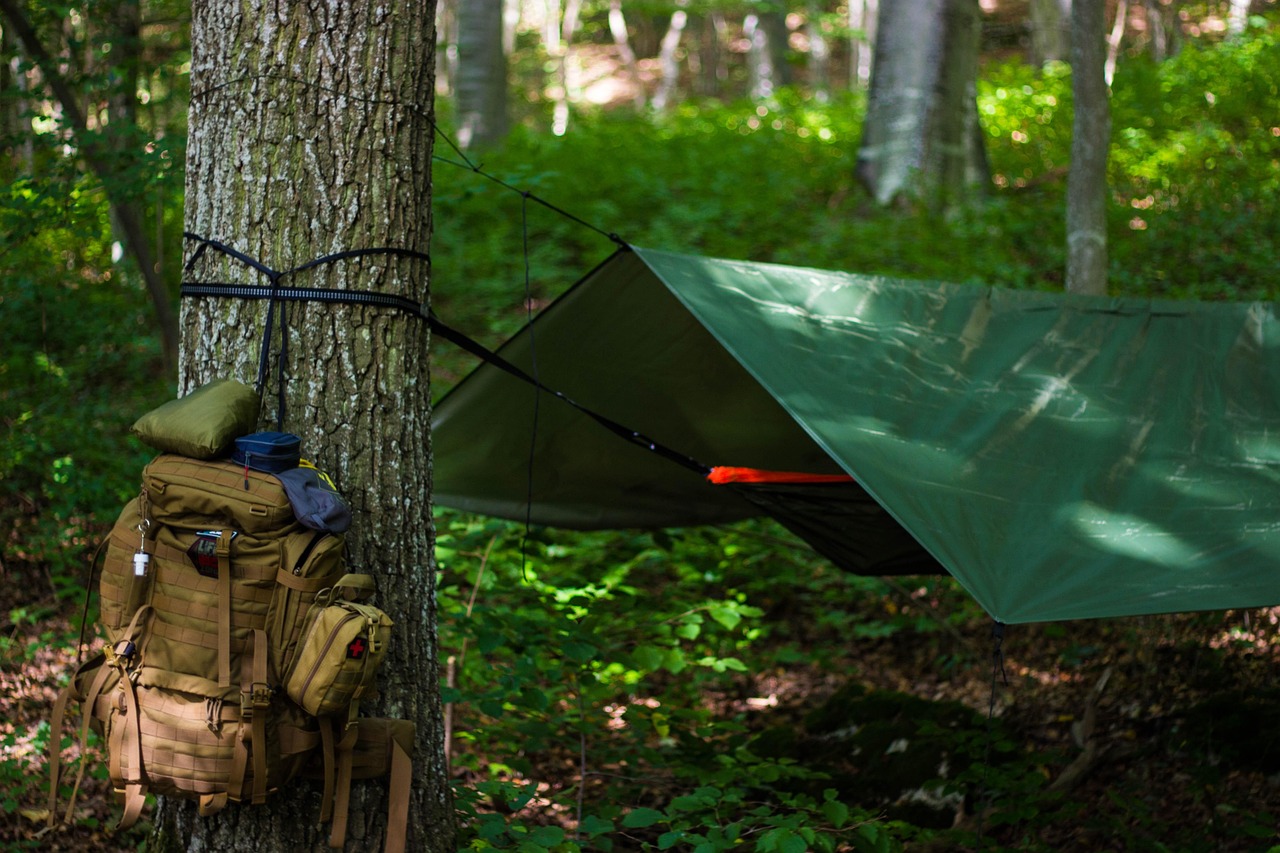
Setup speed is significantly faster once you know your system. Hanging a hammock between two trees, attaching ridgeline, attaching tarp — four to six minutes at most. Staking and poling a tent, especially in uncertain ground conditions, takes longer. The faster setup is more significant than it sounds on long days when you arrive at camp tired and want to be horizontal quickly.
Camp site selection expands enormously. A flat, clear area large enough for a tent is a specific requirement that eliminates many beautiful spots — steep slopes, rocky ground, rooted areas. If there are two suitable trees the right distance apart (about 12-15 feet), you have a camp site. This opens up locations that tent campers pass over.
Weight on ultralight setups can be competitive with tent setups when comparing equivalent weather protection. A hammock system (hammock + underquilt + topquilt + tarp + straps) can be assembled at 2-3 lbs; an equivalent tent setup with sleeping pad is typically heavier.
What's Genuinely Worse
Cold weather camping requires specific gear that has no tent equivalent. The problem: your body compresses the insulation in your sleeping bag beneath you, reducing its effectiveness. In a tent, sleeping on a pad solves this. In a hammock, the solution is an underquilt — insulation that hangs beneath the hammock — which is an additional piece of gear with no tent equivalent. Cold weather hammock camping is doable but requires more gear and more setup attention than cold weather tent camping.
No trees means no camp site. This is the constraint that limits hammock camping to forested environments. Desert camping, alpine camping above treeline, open coastal camping — all of these eliminate hammock camping as an option. Tent campers can camp anywhere with flat ground. Hammock campers cannot camp at all without trees of appropriate size and spacing.
Gear learning curve is steeper. Getting a hammock hang right — proper angle (30 degrees is the standard), appropriate height, tarp positioned for weather protection while allowing airflow — takes several sessions to internalize. Bad hangs produce discomfort or poor weather protection. The learning curve is real and requires practice somewhere low-stakes before relying on the system in difficult conditions.
The Gear That Actually Matters
Straps are the most important investment: wide tree-friendly straps (at least 1 inch, preferably 1.5 inch) distribute load across bark rather than cutting into trees. The hammock camping practice of using skinny cord or narrow straps damages trees; wide straps are the ethical standard and the legal requirement in many wilderness areas.
An underquilt is essential for anything below 50°F (10°C) at night. The Hammock Gear Economy Underquilt is the standard budget recommendation; Enlightened Equipment and Kammock make more premium options. This is not an area to cut costs if you're camping in cold conditions.
The Hennessey Hammock and ENO DoubleNest are the most commonly recommended entry-level hammocks; the Warbonnet Blackbird is the recommendation for people who want a bug-net-integrated setup with more interior room for side sleeping.
Honest Bottom Line: Hammock camping is genuinely better for sleep quality (no pressure points), setup speed, and campsite selection in forested environments. It's genuinely worse for cold weather (requires underquilt), non-forested environments (no trees, no camp), and initial learning curve. The switch makes sense for primarily-forest campers who prioritize sleep quality and site flexibility. It doesn't make sense for desert, alpine, or coastal camping where trees aren't available. Wide straps are the ethical and legal minimum; underquilt is essential below 50°F.
Tom Williams is an outdoor enthusiast, certified wilderness first responder, and automotive journalist who has hiked, climbed, and driven across 40 US states and 15 countries. He covers outdoor adventures, automotive top...