Car Camping in [2026]: The Honest Guide for People Who Want to Try It
![Car Camping in [2026]: The Honest Guide for People Who Want to Try It](/img/posts/unique-882-dee9f50b.jpg)
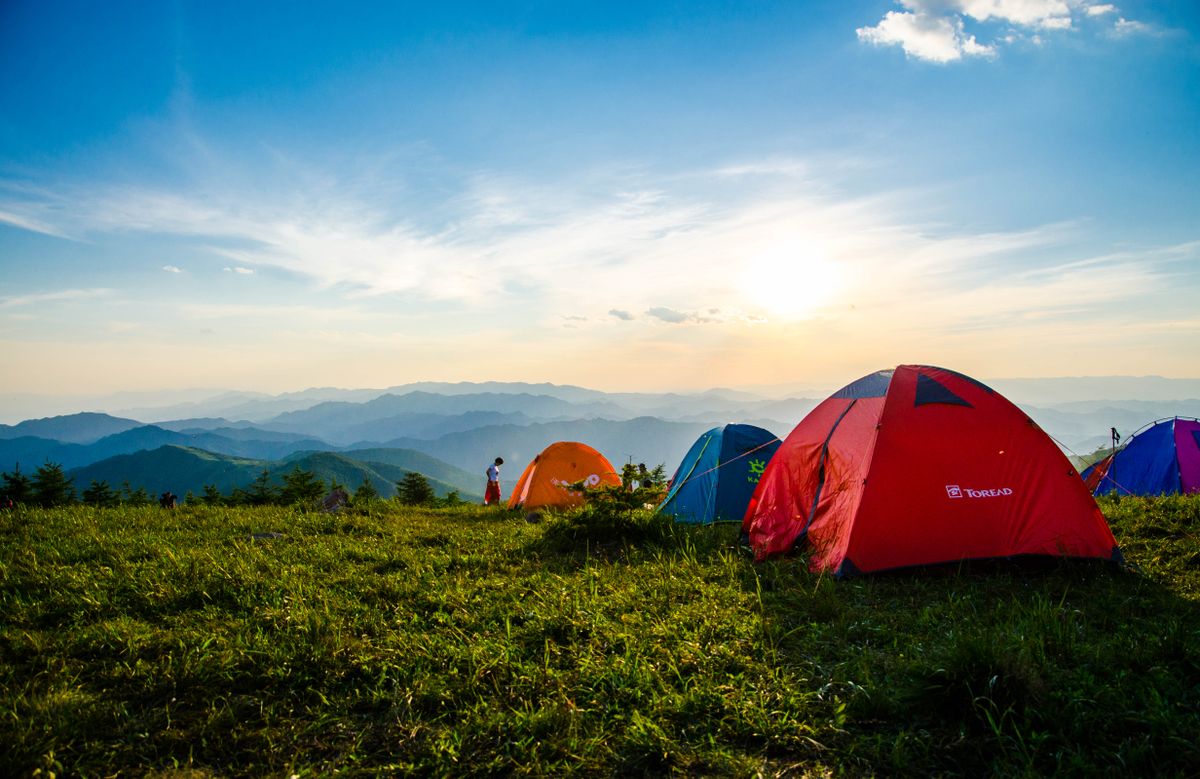
Car camping — driving to a campsite, setting up, and sleeping outdoors without carrying everything on your back — is probably the most accessible outdoor overnight experience available to most people. It requires significantly less gear investment than backpacking, significantly less physical fitness, and significantly less planning. It's also been increasingly complicated by campsite reservation systems that require booking months in advance, the commercialization of "glamping," and a gear industry that makes the barrier seem higher than it is. Here is the honest guide.
What You Actually Need
The essential gear list for car camping is shorter than any gear guide suggests. A tent appropriate to your conditions and group size ($80-200 for a solid 2-person tent; REI Co-op, Coleman, and MSR all make reliable entry-level options), sleeping bags rated for the expected temperatures (buying a 20°F bag for summer camping is overkill; a 40°F bag for summer trips in moderate climates is fine), sleeping pads (often overlooked but critical for warmth and comfort — the ground pulls heat from your body), and a source of light and fire-starting capability. That's it for shelter and sleep.
Cooking at a campsite requires either a camp stove (a basic butane canister stove costs $20-40 and is fine for most car camping), a grill if the campsite has one, or a fire if fires are permitted. Camp cookware (a simple pot and pan set) costs $30-50. Many experienced car campers bring a cooler with real food and cook meals that are better than what they'd make at home, enjoying the cooking experience as part of the trip rather than minimizing it with dehydrated backpacking meals.
The Reservation Reality in 2026
Popular campsites in national parks and state parks in the US now book out months in advance for peak season dates. The Recreation.gov reservation system opens spots 6 months in advance, and sites in Yosemite, Yellowstone, Olympic, and similar destinations sell out within minutes of opening. Strategies that work: book at the 6-month mark if you have flexibility, look for first-come-first-served sites at smaller state parks and national forests (outside the major national parks), check for cancellations in the day-of window on Recreation.gov (cancellations happen more than you'd expect), and consider shoulder season trips (September-October in the mountain west, for example) when availability opens significantly.
Private campgrounds (KOA and similar) have more availability but less natural setting. They're fine for introducing children or inexperienced campers to camping before committing to more competitive reservations.
Making It Actually Good
The variables that determine whether a camping trip is memorable-good versus forgettable or actively miserable: weather preparation (cotton kills — if you're cold and wet, synthetic or wool base layers make a dramatic difference), sleeping system quality (cheap sleeping bags and thin pads make for cold, miserable nights that ruin enthusiasm for future trips), and lowered food ambition that still produces enjoyable meals. One-pot meals, meals over fire, and simple cooking that takes advantage of the camping context are better than ambitious backcountry cooking attempts that require too much setup.
The Outdoor Industry Association's 2024 Participation Trends Report found that participants citing mental health benefits now match those citing physical fitness as their primary motivation — a shift that has accelerated consistently since 2020 and is reshaping how outdoor activities are positioned and marketed.
The Safety Realities
Outdoor activities carry genuine risks that enthusiasm and preparation reduce but cannot eliminate. Weather changes faster than forecasts predict, navigation errors happen to experienced people, and physical limitations become apparent at the worst moments. Honest risk assessment — neither fear-based avoidance nor overconfident dismissal — produces better outcomes than either extreme. The outdoors rewards preparation and humility in roughly equal measure.
Honest Bottom Line: Car camping essentials are just a tent, sleeping bag, sleeping pad, and cooking gear — much shorter than the industry sells. Popular campsites require booking 6 months in advance. Invest in sleeping system quality — cold nights ruin the entire experience. Cotton is vulnerable to cold and moisture.

Tom Williams is an outdoor enthusiast, certified wilderness first responder, and automotive journalist who has hiked, climbed, and driven across 40 US states and 15 countries. He covers outdoor adventures, automotive top...